



How to Make Your Production Sustainable Using Modern Flexographic Printing Machines
ভূমিকা
Are you facing increasing pressure to reduce your carbon footprint without sacrificing your bottom line? In the modern manufacturing landscape, sustainability is no longer a luxury—it is a competitive necessity. For businesses focused on high-volume packaging and labeling, the choice of technology determines both your environmental impact and your profit margins. ফ্লেক্সোগ্রাফিক প্রিন্টিং has emerged as the premier solution for brands seeking to balance speed with eco-consciousness. In this guide, we’ll explore how modern flexography transforms raw materials into premium products efficiently, and why investing in the right flexo printing press is the smartest move for your sustainable future.
What is Flexographic Printing and Why Does it Matter?

To understand why this method is the gold standard for sustainability, we first need to define what is flexographic printing used for. Historically, it was the go-to for simple labels, but today’s high-tech ফ্লেক্সোগ্রাফিক প্রিন্টিং মেশিন handles everything from flexible packaging and wallpaper to complex CI flexo printing process paper bag printing.
দ ফ্লেক্সোগ্রাফিক প্রিন্টিং প্রক্রিয়া is essentially a modern version of letterpress. It utilizes flexible relief plates wrapped around rotating cylinders. Because it is a high-speed, rotary process, a flexographic press can print on an incredibly wide variety of substrates—including recycled paper, metallic films, and compostable plastics—making it the most versatile tool in a sustainable production line.
The Core Components: Engineering Sustainability
Achieving a “green” output depends heavily on the quality of your hardware and consumables. Here is how the components of a flexo printing press contribute to a leaner production cycle:
High-Precision Flexo Plates
The heart of the image transfer lies in the flexographic printing plates. Modern flexo plates are now designed to be more durable and require fewer chemical washes during the prepress stage. By using a high-quality flexographic printing plate, you ensure consistent ink transfer, which significantly reduces substrate waste during long runs.
Advanced Flexographic Printing Ink
Sustainability is often found in the chemistry. Unlike older methods that relied on heavy solvents, a modern ফ্লেক্সোগ্রাফিক প্রিন্টিং মেশিন is optimized for water-based or UV-curable inks. Flexographic printing ink today dries faster and contains lower Volatile Organic Compounds (VOCs), ensuring your workspace—and your finished product—remains eco-friendly.
The Role of the Press
Whether you are using a standard flexographic press or a specialized flexographic label printing machine, the goal is energy efficiency. Modern machines are built to minimize power consumption while maximizing output speeds, often reaching hundreds of feet per minute with minimal downtime.
Why Choose Lisheng for Your Flexo Printing Needs?
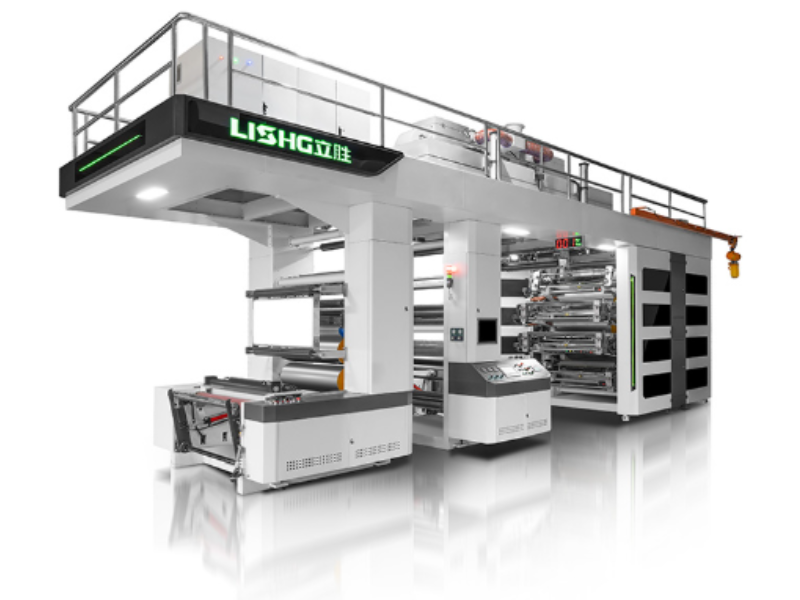
When you invest in Lisheng flexographic printing technology, you aren’t just buying a machine; you are partnering with an innovator. লিশেং has refined the flexographic printing press to ensure that every “start-stop” cycle minimizes material waste.
Our equipment is designed with the user in mind, featuring:
-
Rapid Setup: Decreasing the time and material spent on calibration.
-
Precision Engineering: Ensuring your flexography projects have zero registration errors.
-
স্থায়িত্ব: ক লিশেং machine is built to last, reducing the long-term environmental cost of equipment replacement.
Conclusion: Step Into the Future of Green Printing
Sustainability is the new standard. By integrating high-efficiency flexography into your workflow, you satisfy both the planet and your shareholders. If you are ready to upgrade your facility with a world-class ফ্লেক্সোগ্রাফিক প্রিন্টিং মেশিন, লিশেং is here to guide your transition. From initial consultation to the final installation of your flexo printing press, we ensure your production is fast, flawless, and sustainable.
Ready to elevate your production? Contact লিশেং today for a custom quote on our latest flexographic solutions.
FAQs: Everything You Need to Know
Q1: How does flexographic printing work compared to digital printing?
A1:The ফ্লেক্সোগ্রাফিক প্রিন্টিং প্রক্রিয়া uses physical flexo plates to transfer ink onto a substrate via a high-speed rotary system. While digital is great for short runs, a flexographic press is significantly more cost-effective and faster for high-volume sustainable production.
Q2:Can I use eco-friendly materials with a flexographic printing machine?
A2:Yes! One of the biggest advantages of flexography is its ability to print on almost any surface, including recycled paper, cellular films, and eco-friendly non-wovens, making it ideal for the CI flexo printing process paper bag printing.
Q3:What are the maintenance requirements for flexographic printing plates?
A3:To ensure longevity, flexographic printing plates should be cleaned immediately after a run using compatible cleaners that won’t degrade the plate material. Proper storage of flexo plates prevents warping and ensures they can be reused for future batches.
Q4:Is flexographic printing ink safe for food packaging?
A4:Absolutely. By using water-based flexographic printing ink, manufacturers can produce food-safe packaging that complies with strict health and environmental regulations.
Q5:Why should I choose a Lisheng flexographic printing machine over other brands?
A5:লিশেং specializes in high-speed precision and waste reduction. Our machines are engineered for “Green Production,” meaning they use less energy and produce less scrap material than conventional presses, giving you a better ROI and a smaller carbon footprint.


