



How Water-Based Inks Improve Flexographic Printing Performance?
Introduction
Flexographic printing machines have revolutionized the packaging and labeling industries by delivering high-speed, versatile, and cost-effective printing solutions. As sustainability and efficiency become top priorities, many printers are asking a critical question: how do water-based inks improve flexographic printing performance?
In this article, we explore why water-based inks are increasingly seen as a game-changer in flexographic printing. We’ll examine their impact on print quality, cost efficiency, environmental compliance, and how they perform when paired with the right flexographic printing machine—especially in modern packaging applications.
What Is a Flexographic Printing Machine?
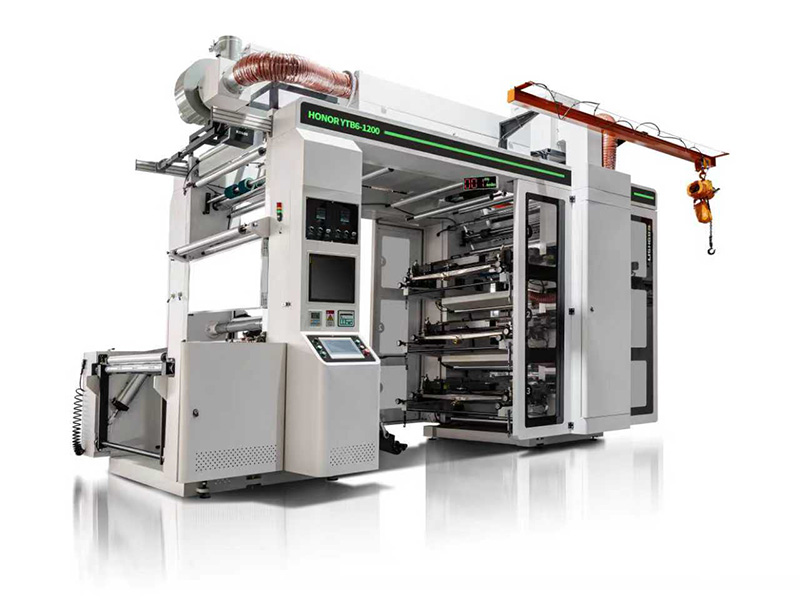
A flexographic printing machine (also known as a flexo printing machine) uses flexible relief plates to transfer ink onto a wide variety of substrates, including paper, plastic films, foil, and corrugated materials. Thanks to its roll-to-roll operation and fast ink drying, flexographic printing machines are widely used in packaging, labels, and high-volume commercial printing.
Key characteristics of flexographic printing machines include:
-
Use of flexible photopolymer printing plates
-
Compatibility with fast-drying inks, including water-based inks
-
Continuous roll-to-roll production for high efficiency
-
Ability to print on diverse substrates
-
Cost-effective performance for large-scale production runs
These features make flexographic printing machines an ideal platform for adopting water-based ink technologies.
Why Water-Based Inks Matter for Flexographic Printing Machines
Water-based inks are gaining rapid adoption in flexographic printing machines due to their balance of sustainability, performance, and cost control. Below are the key reasons they matter.
Eco-Safety & Compliance
Water-based inks contain significantly lower levels of volatile organic compounds (VOCs) compared to solvent-based inks, making them a more environmentally responsible choice for flexographic printing machines.
-
Help printers comply with global environmental regulations
-
Support sustainable and eco-friendly packaging initiatives
-
Safer working conditions due to reduced toxic fumes
-
Easier ink cleanup and disposal
-
Align with growing consumer demand for green packaging solutions
Cost Reduction
From an operational perspective, water-based inks help reduce both direct and indirect costs when used in flexographic printing machines.
-
Lower overall ink system costs
-
Reduced need for solvent recovery or emission control systems
-
Lower energy consumption during drying
-
Less waste and fewer rejected prints due to stable ink performance
-
Reduced maintenance stress on flexographic printing machines
Print Quality Excellence
Modern water-based inks are engineered to deliver excellent print results on today’s flexographic printing machines, particularly on porous substrates.
-
Bright, vibrant colors with good opacity
-
Strong adhesion on paper, cardboard, and corrugated materials
-
Reduced dot gain for sharper image reproduction
-
Stable viscosity ensures consistent ink transfer
-
Improved resistance to smudging and surface damage
Efficiency Enhancement
When properly matched with the right flexographic printing machine, water-based inks can significantly improve production efficiency.
-
Fast drying with advanced hot air or IR systems
-
Improved press uptime due to reduced clogging
-
Smooth performance on high-speed flexo printing machines
-
Easier ink handling and mixing
-
Streamlined workflow from ink preparation to final output
Types of Water-Based Inks and Compatibility with Flexographic Printing Machines
Different water-based ink formulations offer varying performance levels depending on substrates and flexographic printing machine configurations.
| Ink Type | Substrate Compatibility | Drying Method | Print Quality | Environmental Impact | Machine Compatibility |
|---|---|---|---|---|---|
| Acrylic-based | Paper, cardboard | Hot air, IR drying | High gloss, sharp images | Low VOCs | Most flexographic printing machines |
| Latex-based | Flexible films, paper | UV, hot air drying | Durable, flexible | Low VOCs | Specialized flexo printing machines |
| Hybrid water-based | Mixed substrates | Hot air, IR drying | Balanced performance | Moderate VOCs | Standard & upgraded flexographic printing machines |
| Pigment-based water inks | Paper, corrugated | Hot air drying | Excellent opacity | Low VOCs | Wide compatibility |
Choosing the right ink type is essential for maximizing performance on a flexographic printing machine.
How Flexographic Printing Machines Work with Water-Based Inks
To achieve optimal results with water-based inks, modern flexographic printing machines rely on several supporting technologies:
-
Advanced drying systems such as hot air, infrared (IR), or UV-assisted drying
-
Precision anilox rollers for accurate ink volume control
-
Enhanced plate materials designed for water-based ink stability
-
Automated ink management systems for consistent viscosity and color control
-
Press configurations optimized for water-based ink transfer
These capabilities allow flexographic printing machines to maintain stable quality even at high production speeds.
How to Choose the Right Flexographic Printing Machine for Water-Based Inks
Selecting a flexographic printing machine optimized for water-based inks is critical for long-term production success.
Key factors to consider include:
-
Drying system compatibility for water-based inks
-
Ink delivery systems designed for flexographic printing
-
Substrate versatility across packaging materials
-
High-speed automation for improved efficiency
-
Ease of maintenance and technical support
The right flexographic printing machine ensures reliable performance, reduced operating costs, and consistent print quality.
FAQ
Are water-based inks suitable for high-speed flexographic printing machines?
Yes. With proper drying systems and optimized press configurations, water-based inks perform reliably on high-speed flexographic printing machines.
Do water-based inks affect print durability?
Modern formulations provide strong adhesion and resistance on substrates commonly used with flexographic printing machines.
Can existing flexo presses be upgraded for water-based inks?
Many flexographic printing machines can be retrofitted with improved drying and ink handling systems.
What drying system works best with water-based inks?
Hot air and infrared (IR) drying systems are widely used on modern flexographic printing machines.
Is water-based flexographic ink more expensive than solvent-based ink?
While some inks may cost more initially, flexographic printing machines using water-based inks often achieve lower total operating costs.
Conclusion
Water-based inks are transforming flexographic printing by delivering cleaner production, consistent print quality, and lower operating costs. When paired with the right flexographic printing machine, they help printers improve efficiency while meeting today’s sustainability and performance standards.
For businesses upgrading or investing in new equipment, choosing a flexographic printing machine optimized for water-based inks is a smart, future-ready decision. LISHG flexographic printing machines are designed to support stable ink transfer, efficient drying, and reliable high-speed production.
Ready to enhance your flexographic printing performance?
Explore LISHG’s flexographic printing machines or contact our team to find the right solution for your application.


