



How to Master Flexographic Printing Ink and Solvent Balance for High-Speed Production
Introducción
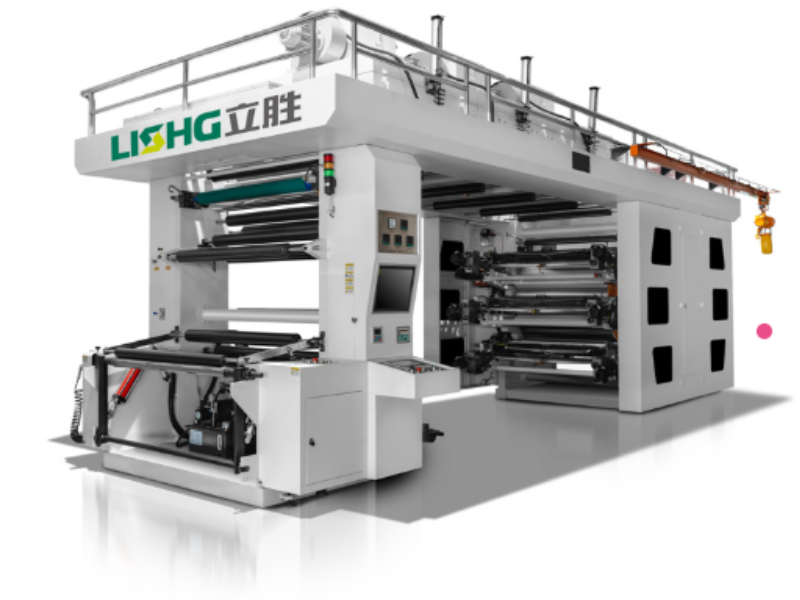
Are you struggling to achieve consistent print quality while managing the complexities of drying times and substrate adhesion? In the high-stakes world of packaging, the relationship between your equipment and your chemistry is the “make or break” factor for your ROI. Whether you are operating a standard flexographic printing press or a specialized Impresora central de Flexo del tambor para la impresión de papel termal, the inks and solvents you choose dictate your final product’s vibrance and durability. In this guide, we dive deep into the science of flexographic printing ink and how the right machinery—like the precision-engineered models from Lisheng—ensures your chemical components perform at their peak.
The Science of Ink in Flexographic Printing
To master impresión flexográfica, you must view ink as more than just color; it is a chemical delivery system. The ink must transfer from the anilox roller to the plate and onto the substrate at incredible speeds without smearing or losing density.
Types of Flexographic Printing Ink
Depending on your specific application, you generally choose between three main types:
-
Water-Based Inks: Ideal for porous surfaces like corrugated cardboard and paper bags.
-
Solvent-Based Inks: The go-to for plastic films and flexible packaging due to their superior adhesion.
-
UV-Curable Inks: These offer instant drying and high gloss, though they require specialized curing lamps on your máquina de impresión flexográfica.
The Critical Role of Solvents
Solvents are the “engine” that keeps the ink fluid. In a high-speed flexographic printing press, the evaporation rate of the solvent must be perfectly balanced. If it evaporates too fast, the ink dries on the plates; too slow, and you face ghosting or smudging on the finished roll.
Optimizing Machinery for Chemical Performance
A premium ink is only as good as the máquina de impresión flexográfica that applies it. Precision tension control and drying systems are non-negotiable for high-end results.
Thermal Paper Printing: A Specialized Challenge
If your business focuses on receipts or labels, using a Impresora central de Flexo del tambor para la impresión de papel termal is essential. Thermal paper is heat-sensitive, meaning your choice of ink and the drying temperature of the press must be meticulously managed to avoid “pre-activating” the paper. Lisheng flexographic printing solutions are specifically designed with low-heat, high-efficiency drying tunnels to solve this exact problem.
Maintenance and Plate Longevity
The chemicals within your ink can interact with your printing plates. High-quality impresión flexográfica requires regular monitoring of pH levels and viscosity to ensure the chemicals don’t degrade your equipment over time.
Why Lisheng is the Partner Your Production Line Needs
When you choose Lisheng, you aren’t just buying hardware; you are investing in a system optimized for the modern chemical demands of the industry. Lisheng flexographic printing technology features advanced ink circulation systems that maintain consistent viscosity, reducing waste and manual adjustments.
Our machines, from the standard flexographic printing press to our flagship central drum models, are built to handle the rigorous demands of solvent-based and water-based systems alike. We focus on:
-
Precision Ink Distribution: Minimizing ink consumption while maximizing coverage.
-
Smart Drying Systems: Tailored for the specific evaporation rates of modern solvents.
-
User-Centric Design: Making it easier for your operators to switch between different ink types.
Conclusion: Elevate Your Print Quality Today
Mastering the balance between flexographic printing ink and your machinery is the fastest way to reduce overhead and impress your clients. If you are ready to upgrade to a máquina de impresión flexográfica that handles complex chemistry with ease, look no further.
Would you like to see how our machines handle your specific ink requirements? Contact Lisheng today for a technical consultation or a custom quote.
FAQs: Mastering Inks & Solvents
Q1: Can I switch between water-based and solvent-based inks on the same machine? A1:Yes, but it requires thorough cleaning. Lisheng machines are designed with accessible ink systems to make this transition faster, though you must ensure your seals and pumps are compatible with the solvents used.
Q2: Why is my ink drying too fast on the flexographic printing press?
A2:This is usually due to an imbalance in the solvent’s evaporation rate or high ambient shop temperatures. Adjusting your solvent blend or increasing the press speed can help.
Q3: What makes a Central Drum Flexo Printing Machine best for thermal paper?
A3:The “Central Drum” (CI) design provides superior registration and stability. For thermal paper, it allows for high-speed printing with controlled drying, preventing the paper from turning black due to excess heat.
Q4: Does the type of ink affect the lifespan of my flexographic printing machine? A4:Solvent-based inks can be harsher on certain rubber components. However, Lisheng uses high-grade, solvent-resistant materials to ensure long-term durability regardless of your ink choice.
Q5: How do I maintain ink viscosity during a long print run?
A5:Automatic viscosity controllers are the best solution. Many Lisheng flexographic printing setups come equipped with or can be integrated with sensors that automatically add solvent or ink to maintain the perfect balance.


