



Top Flexo Printing Press Upgrades to Boost Your 2026 Production Capacity
Introdução
By 2026, packaging and printing companies will face two major challenges: increasing output while reducing costs. With fierce market competition and the high cost of purchasing new equipment, upgrading older equipment is a wiser choice.
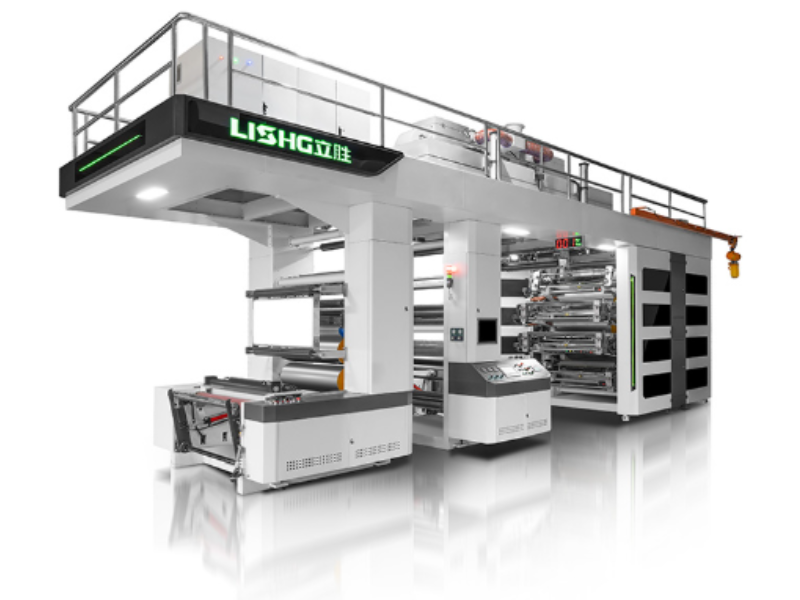
This article will focus on the best upgrade options for flexo printing presses. These upgrades can help businesses increase output, improve print quality, and enhance efficiency. Whether you are using a Máquina de impressão flexográfica CI, a Máquina de impressão flexográfica de pilha, or a Impressora flexográfica sem engrenagens these upgrade options are applicable. They can help you scale up production and reap significant rewards next year.
Core Drive and Registration System Upgrades
Key Upgrades and Benefits
The drive and registration system is a core component of any excellent flexo printing press. It directly impacts printing speed, accuracy, and material waste. Upgrading equipment to a servo-driven shaft drive system can replace outdated mechanical systems, eliminate gear backlash, and ensure all printing units operate synchronously at precise speeds. New registration systems employ high-resolution encoders and closed-loop feedback, reducing alignment errors to below 0.2 mm. While this depends on the substrate and tension control, it is still a significant advancement.
These systems also support electronic job recall, reducing changeover time by up to 40%. Waste due to misalignment is also reduced. For Impressora flexográfica sem engrenagens, servo-driven registration systems offer greater flexibility, allowing for smooth adjustments to different substrates and printing jobs.
Why It Matters?
Registration errors and slow changeover speeds can cause serious problems, leading to material waste, order delays, and lost profits. By 2026, printing widths will be increasingly smaller, and the requirements for precision will become increasingly stringent. Therefore, reliable core drives and registration systems are essential. Upgrading these can increase production speed by 15% to 25%, while also improving print quality, reducing reprints, and enhancing customer satisfaction. For CI flexo printing press users, good registration is crucial for multicolor printing, ensuring consistency across all printing units.
Ink System and Anilox Roll Innovations
Key Upgrades and Benefits
Upgrading your ink system and anilox rollers can significantly improve print quality and speed. An automated ink circulation system with closed-loop viscosity control maintains stable ink flow and color density, eliminating human error. Laser-engraved ceramic anilox rollers have superior mesh geometry, resulting in up to 30% better ink transfer efficiency. Furthermore, they have a longer lifespan and deliver finer print details. A quick-change anilox roller system reduces downtime during job changes, ensuring your prensa flexográfica always operates efficiently.
Why It Matters?
Poor ink control and aging anilox rollers lead to uneven printing, inconsistent colors, increased ink waste, and ultimately, compromised print quality. By 2026, brands will be seeking more vibrant and consistent packaging colors. These upgrades will help you meet industry standards and reduce ink consumption by 10% to 15%. They also improve your printing results using UV/LED and water-based inks. For users of Máquina de impressão flexográfica de pilha, a better anilox roller can ensure that all stations work well even at high speeds.
UV/LED Curing Upgrades
Key Upgrades and Benefits
Traditional solvent-based drying systems are slow and energy-intensive. Newer UV/LED curing systems, however, are far superior. They dry faster, consume less energy, and deliver higher print quality. LED curing systems are 80% to 95% more energy efficient than traditional UV arc systems and have a lifespan 20 times longer. These systems generate very little heat, allowing you to print on heat-sensitive materials without damage. Most retrofit projects can be completed in just one day. You can upgrade any traditional flexo printing press to an LED-UV curing system. Therefore, it is a cost-effective upgrade.
Why It Matters?
In the fast-paced production environment of 2026, speed and energy efficiency are paramount. Outdated drying systems are slow, energy-intensive, and limit the variety of substrates that can be printed. Upgrading to UV/LED solves these problems, allowing you to handle more types of business, reduce operating costs, and decrease solvent emissions. This helps achieve environmental goals and is significant for environmentally conscious brands. For Máquina de impressão flexográfica CI, UV/LED curing maintains high-speed drying at all stations, reducing waste and increasing throughput.
Automation and Industry 4.0 Integration
Key Upgrades and Benefits
Adding automation and Industry 4.0 tools to flexo printing press is a major initiative for 2026. Key upgrades include automated job setup, AI-powered quality control, and IoT-based remote monitoring. Automated setup can reduce changeover time by 50% or more and decrease human error. AI-powered quality control uses cameras and machine learning to detect defects in real time, reducing waste. IoT integration allows you to monitor the press’s operation anytime, anywhere, track overall equipment efficiency (OEE), and receive predictive maintenance alerts to avoid unplanned downtime. For Impressora flexográfica sem engrenagens, automation improves printing accuracy and enables seamless integration with die-cutting and laminating machines.
Substrate Compatibility and Material Handling Upgrades
Key Upgrades and Benefits
Market demands are changing. Customer needs are also more diverse. So upgrading substrate compatibility and material handling is very important. You need this to stay competitive in 2026. Adjustable tension control systems stop paper breakage and wrinkling. Advanced paper guides keep alignment precise even at high speeds. Modular processing units, like automatic unwinders and rewinders, reduce manual labor. They allow continuous operation and cut downtime. These upgrades let your machines handle many materials. You can go from films to thick corrugated cardboard. This expands your service offerings and meets different customer needs. For users of Empilhar máquinas de impressão flexográfica, these upgrades allow smooth substrate changeovers. You do not lose efficiency.
Sustainability-Focused Upgrades
Key Upgrades and Benefits
By 2026, sustainability will no longer be an option, but a necessity. Targeted upgrades to your flexo printing press can reduce your environmental impact and lower long-term operating costs. Ink recovery systems collect and filter excess ink, reducing waste by up to 20% and lowering material costs. Energy-efficient motors and components can reduce energy consumption by 15% to 20%, thus lowering electricity bills. Solvent recovery systems and the use of water-based inks also reduce volatile organic compound (VOC) emissions. This aligns with global green goals and attracts eco-friendly brands, giving you a significant market advantage.
Practical Implementation Strategy

Upgrading a flexo printing press successfully requires a gradual plan. This minimizes downtime and maximizes returns.
First, examine your existing machines to identify the main bottlenecks. Then, choose an upgrade plan based on your goals. Do you want higher speed? Better print quality? Or lower costs? Partner with a reliable supplier who understands your machine type. This will ensure smooth integration. Also, train your team on the new system. Remember to schedule the upgrade during the off-season to avoid prolonged downtime. Then, track results such as output and waste reduction to measure success.
Conclusão
Upgrading your prensa flexográfica is a smart choice for 2026. It costs less than buying a new machine and significantly improves speed and efficiency. Upgrades to the mandrel drive and registration system reduce waste and increase speed. UV/LED curing and Industry 4.0 tooling enhance flexibility and lower operating costs. Each upgrade addresses a key issue. Therefore, whether you’re using a Máquina de impressão flexográfica CI, a Máquina de impressão flexográfica de pilha, or a Impressora flexográfica sem engrenagens, these upgrades will help you stay competitive, meet new customer demands, cut unnecessary costs, and lay a solid foundation for long-term growth in the ever-evolving printing industry.
Perguntas frequentes
Q1: How long does it take to upgrade a flexo printing press?
A1: It depends on the specific circumstances. Simple modifications can be completed in less than a business day with minimal impact on production. Complex upgrades may take one to two weeks. To avoid downtime, schedule upgrades during the off-season and work closely with your supplier to ensure smooth setup and testing.
Q2: Is the upgraded flexo printing press compatible with my existing one?
A2: Most upgrade options are suitable for machines that are five to ten years old. A good supplier will inspect your machine first, including its age, setup, and condition. In rare cases, they will make minor modifications to older components during the upgrade process.
Q3: What is the typical ROI for a flexo printing press upgrade?
A3: ROI depends on the type of upgrade, your production volume, and the inefficiency of your old system. However, most businesses see returns within six to eighteen months. Upgrades to automation and UV/LED offer the highest ROI. Drive and registration upgrades can reduce waste and changeover time. Sustainability upgrades can reduce long-term costs and attract green customers.
Q4: Will upgrading my flexo printing press help me reduce operating costs? If so, how exactly?
A4: Yes. Upgrades can improve print quality and solve common problems. A more advanced registration system enables precise alignment in multi-color printing, reducing printing errors. Higher-quality anilox rollers and automatic inking systems provide more stable color density and finer details, which is especially important for high-end packaging printing. UV/LED curing technology also enhances ink adhesion and scratch resistance, making prints more durable, with a more professional look, and meeting modern brand standards.
Q5: Do upgraded flexo printing press components require long-term maintenance?
A5: Most upgraded components require almost no long-term maintenance. However, you will still need to perform regular checks and basic maintenance. Most suppliers provide maintenance guides and technical support, which helps your upgraded equipment operate efficiently for a long time.


