



Which Countries Have the Most Printing Presses? Global Market Distribution, Leading Countries & Trends
Introduction
The global printing industry is vast and ever-evolving, with printing presses playing a crucial role in packaging, publishing, and advertising. But have you ever wondered which countries lead the world in printing press ownership and how flexographic printing machines fit into this landscape?
This article explores the global distribution of printing presses, the trends shaping this market, and the role of flexo presses in meeting growing packaging demands worldwide.
What Is a Printing Press? Common Types of Printing Presses by Application
A printing press is a machine used to transfer text and images onto paper, plastic, or other substrates. The industry includes various types, each suited for different applications:
-
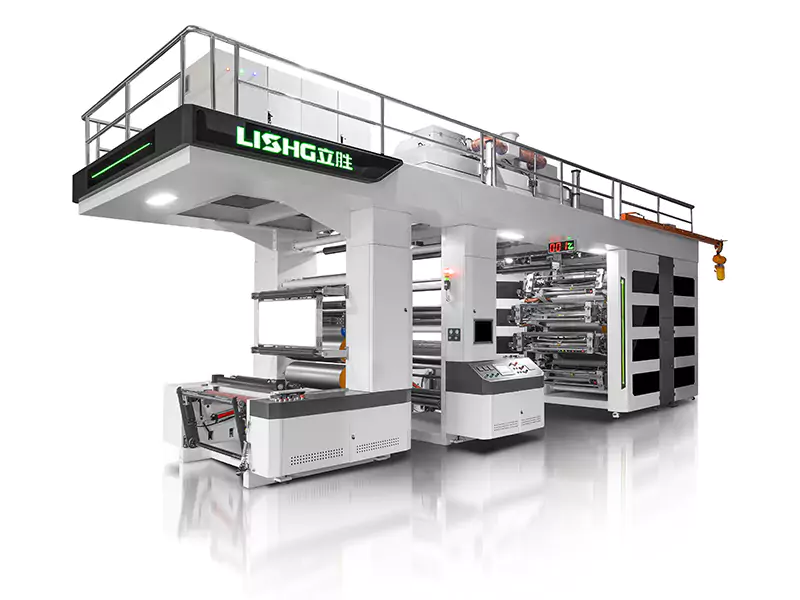
Flexographic printing machines: Ideal for packaging and labels, using flexible plates and fast-drying inks.
-
Offset printing presses: Common in commercial printing, known for high-quality image reproduction.
-
Digital printing presses: Growing rapidly due to customization and short-run capabilities.
-
Gravure presses: Used for high-volume printing like magazines and packaging.
-
Screen printing presses: Popular for textiles and specialty items.
Each type serves unique market needs, but flexo presses are especially prominent in the packaging sector worldwide.
Which Countries Have the Most Printing Presses? Global Distribution Overview
Asia-Pacific: The Manufacturing Powerhouse (China, India, Japan, South Korea)
Asia-Pacific dominates the global printing press market, driven by massive manufacturing and packaging industries.
-
China, India, Japan, and South Korea lead in the number of installed presses
-
Rapid urbanization and e-commerce growth fuel demand for flexographic printing machines
-
Competitive pricing and local manufacturing capabilities make Asia a hub for press production and consumption
-
Environmental regulations are pushing adoption of water-based inks and modern flexo presses
Europe: Precision & Innovation Leaders (Germany, Italy, UK)
Europe boasts a mature printing industry focused on innovation and quality.
-
High density of advanced printing presses
-
Sustainability initiatives drive investments in eco-friendly flexographic printing machines
-
European manufacturers lead in developing cutting-edge flexo technology
-
Precision and automation support high-end packaging and label printing
North America: A Mature and Adaptive Printing Market (USA, Canada)
The US and Canada maintain a large, mature printing press base.
-
Flexographic printing is widely used in packaging, especially food and beverage sectors
-
Investment in digital-flexo hybrids and water-based ink systems is increasing
-
Market adapts quickly to shorter runs and personalized packaging
-
Strong regulatory frameworks encourage sustainable printing practices
Emerging Printing Press Markets (Brazil, UAE, South Africa)
Latin America, the Middle East, and Africa are growing markets for printing presses.
-
Industrialization and expanding consumer markets drive packaging and label demand
-
Many companies invest in flexo printing machines to meet local requirements
-
Infrastructure challenges and cost sensitivity influence machine choices
-
These markets offer significant growth potential for press manufacturers
Key Factors Influencing Printing Press Popularity by Region
-
Economic development: Wealthier regions invest in advanced presses
-
Industry focus: Packaging-heavy economies favor flexographic presses
-
Environmental regulations: Stricter rules push eco-friendly technologies
-
Technological adoption: Automation and digital integration vary by region
-
Labor costs: Influence the choice between manual and automated presses
Printing Industry Trends Shaping Global Press Adoption
-
Shift towards sustainable inks and materials
-
Growing demand for flexible packaging
-
Integration of digital and flexographic printing technologies
-
Increased automation and remote press monitoring
-
Rising importance of short-run and customized printing
Regional Printing Press Overview
| Region | Leading Countries | Printing Press Focus | Flexo Machine Adoption | Market Growth Rate | Sustainability Focus |
|---|---|---|---|---|---|
| Asia-Pacific | China, India, Japan | Packaging, Labels | High | Rapid | Increasing |
| Europe | Germany, Italy, UK | High-quality, Innovative | Moderate to High | Stable | Strong |
| North America | USA, Canada | Packaging, Commercial | High | Moderate | Strong |
| Emerging Markets | Brazil, UAE, South Africa | Packaging, General Printing | Growing | High | Developing |
Table: Comparison of leading printing press markets by region, focus, and flexographic machine adoption.
Choosing the Right Flexographic Printing Machine for Global Markets
When selecting a flexographic printing machine for different regions, consider:
-
Local substrate preferences and packaging types
-
Environmental regulations and ink compatibility
-
Speed and automation levels suited to production scale
-
Availability of technical support and spare parts
-
Cost-effectiveness balanced with quality needs
A carefully chosen flexo press ensures reliable production, high print quality, and regulatory compliance in any market.
FAQ
Which country has the largest printing industry?
China currently leads the world in printing press numbers and industry size, driven by its massive manufacturing and packaging sectors.
Is flexographic printing growing worldwide?
Yes, flexographic printing is expanding globally, especially in packaging, due to its versatility and compatibility with sustainable inks.
What type of printing press is most in demand?
Flexographic printing machines are among the most in-demand presses, particularly for packaging and labels.
Which regions are investing in new printing presses?
Asia-Pacific and emerging markets like Latin America and the Middle East are investing heavily in new presses, including flexo machines.
How does the price of flexo printing machines vary globally?
Prices vary based on automation, speed, and technology level, with Asia-Pacific offering competitive pricing due to local manufacturing.
Conclusion
Understanding the global distribution of printing presses reveals a vibrant, diverse market shaped by economic, technological, and environmental factors. The rise of flexographic printing machines reflects the growing demand for efficient, sustainable packaging solutions worldwide.
For printing businesses sourcing presses for mature or emerging markets, aligning your choices with local trends and regulations is key. LISHG flexo printing machines are designed to deliver reliable performance, eco-friendly operation, and high-quality output across global markets.
Ready to explore the best flexo machines for your needs? Contact LISHG today or browse our range of flexographic printing machines to find the right solution for your production and packaging requirements.


