



What Is a CI Flexo Press? The Beginner’s Complete Guide
Introduction
If you’re diving into the world of flexographic printing machines, you’ve probably come across the term CI flexo printing machine or central impression flexo press. But what exactly is it, and why is it so popular in packaging and label printing? This guide will walk you through everything you need to know about CI flexo presses, from how they work to their advantages, limitations, and how to choose the right one for your business.
What Is a CI Flexo Press?
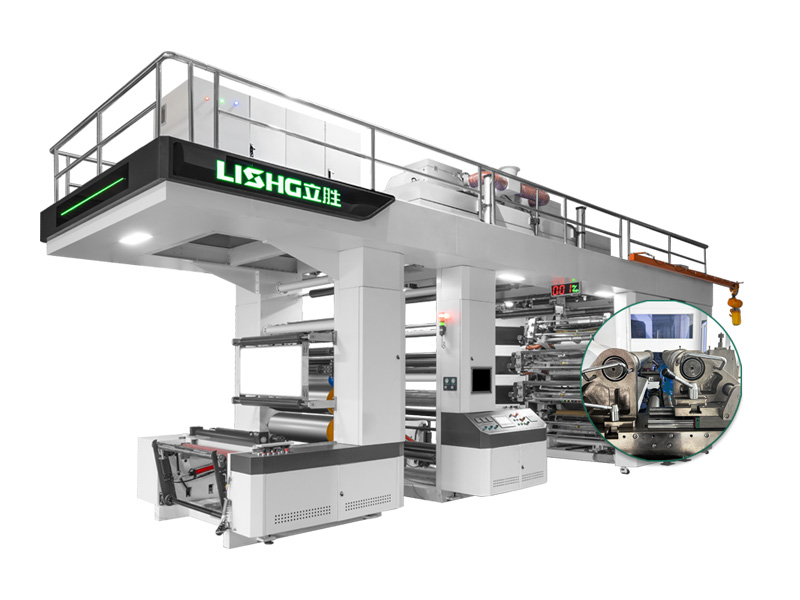
A CI flexo press (Central Impression flexographic press) is a type of flexographic printing machine where the substrate is wrapped around a large central impression cylinder. This cylinder holds the material firmly in place as it passes through multiple printing stations arranged around it.
- The central impression cylinder ensures precise registration.
- Multiple colors can be printed in a single pass.
- Ideal for high-volume, continuous roll-to-roll printing.
- Commonly used for flexible packaging, labels, and shrink sleeves.
- Offers excellent print quality and color consistency.
How Does a CI Flexographic Printing Machine Work?
The CI flexo press operates by wrapping the substrate around the central impression cylinder. Each printing station applies a different color using flexible plates and anilox rollers. The substrate remains stable on the cylinder, allowing for precise color registration and high-speed printing.
- Substrate tension is controlled by the central impression cylinder.
- Ink is transferred from anilox rollers to flexible plates, then to the substrate.
- Drying units are integrated between stations to cure inks.
- The process repeats for each color station around the cylinder.
- Finished printed material is rewound or further processed downstream.
Key Functions of a CI Flexo Printing Machine
- High-precision color registration for multi-color jobs.
- Consistent substrate handling to reduce defects.
- Integrated drying systems for fast ink curing.
- Automated controls for ink flow and tension.
- Modular design allowing customization of print stations.
- Efficient use of space due to compact layout.
Advantages of a Central Impression Flexo Press
High-Speed Production for Large-Volume Jobs
CI flexo presses excel in continuous, high-speed printing, making them perfect for large production runs where speed and consistency are critical.
Superior Print Quality and Color Consistency
The stable substrate positioning on the central impression cylinder ensures tight registration and vibrant, consistent colors across the entire print run.
Flexibility Across Multiple Printing Substrates
From films and foils to paper and laminates, CI flexo presses handle a wide range of materials, adapting to diverse packaging needs.
Compact Footprint and Efficient Workflow
The circular design reduces floor space requirements and streamlines the printing process, improving overall productivity.
Limitations of Central Impression Flexo Presses
Limited Deck Capacity Compared to Inline Presses
CI presses typically have fewer print stations than inline presses, which can limit the number of colors or special effects applied in one pass.
Lower Job Changeover Flexibility for Short Runs
Due to their design, CI presses are less suited for frequent job changes or short runs, where setup time and flexibility are crucial.
Typical Use Cases for CI Flexographic Printing Machines
- High-volume flexible packaging like snack bags and pouches.
- Label printing requiring precise multi-color registration.
- Shrink sleeves and wrap-around labels.
- Applications demanding consistent color quality over long runs.
- Production environments prioritizing speed and efficiency.
Caring for and Maintaining Your CI Flexo Press
- Regular cleaning of anilox rollers and plates to prevent ink buildup.
- Routine inspection and replacement of impression cylinder sleeves.
- Calibration of tension controls and registration systems.
- Scheduled maintenance of drying units and ink delivery systems.
- Training operators on best practices to minimize downtime.
How to Choose the Right CI Flexo Press for Your Business
When selecting a CI flexo printing machine, consider:
- Your typical production volume and run lengths.
- Number of colors and special effects needed.
- Substrate types you plan to print on.
- Available floor space and workflow integration.
- Budget for initial investment and ongoing maintenance.
- Support and training offered by the manufacturer.
| Feature | CI Flexo Press | Inline Flexo Press | Digital Press |
|---|---|---|---|
| Print Speed | Very High | Moderate to High | Moderate |
| Color Registration | Excellent | Good | Variable |
| Job Changeover Flexibility | Lower | Higher | Highest |
| Suitable for Short Runs | Less Ideal | More Suitable | Ideal |
| Footprint | Compact | Larger | Compact |
| Cost | Moderate to High | Moderate | High |
Conclusion
A CI flexo printing machine offers a powerful solution for businesses focused on high-speed, high-quality flexible packaging and label printing. While it shines in large-volume production with excellent color consistency, it may not be the best fit for short runs or highly variable jobs. Understanding your production needs and workflow will help you choose the right press that balances performance, flexibility, and cost. Ready to take your printing to the next level? Explore CI flexo presses tailored to your business and watch your efficiency and print quality soar!
FAQ
What does CI stand for in CI flexo press?
CI stands for Central Impression, referring to the large central cylinder holding the substrate during printing.
How is a CI flexo press different from an inline flexo press?
CI presses wrap the substrate around a central cylinder for precise registration, while inline presses move the substrate linearly through each print station.
Can CI flexo presses handle multiple colors?
Yes, they can print multiple colors in a single pass, typically up to 8 or more stations depending on the machine.
Are CI flexo presses suitable for short print runs?
They are less flexible for short runs due to longer setup times compared to inline or digital presses.
What maintenance is critical for CI flexo presses?
Regular cleaning of rollers and plates, tension calibration, and drying system upkeep are essential for optimal performance.


