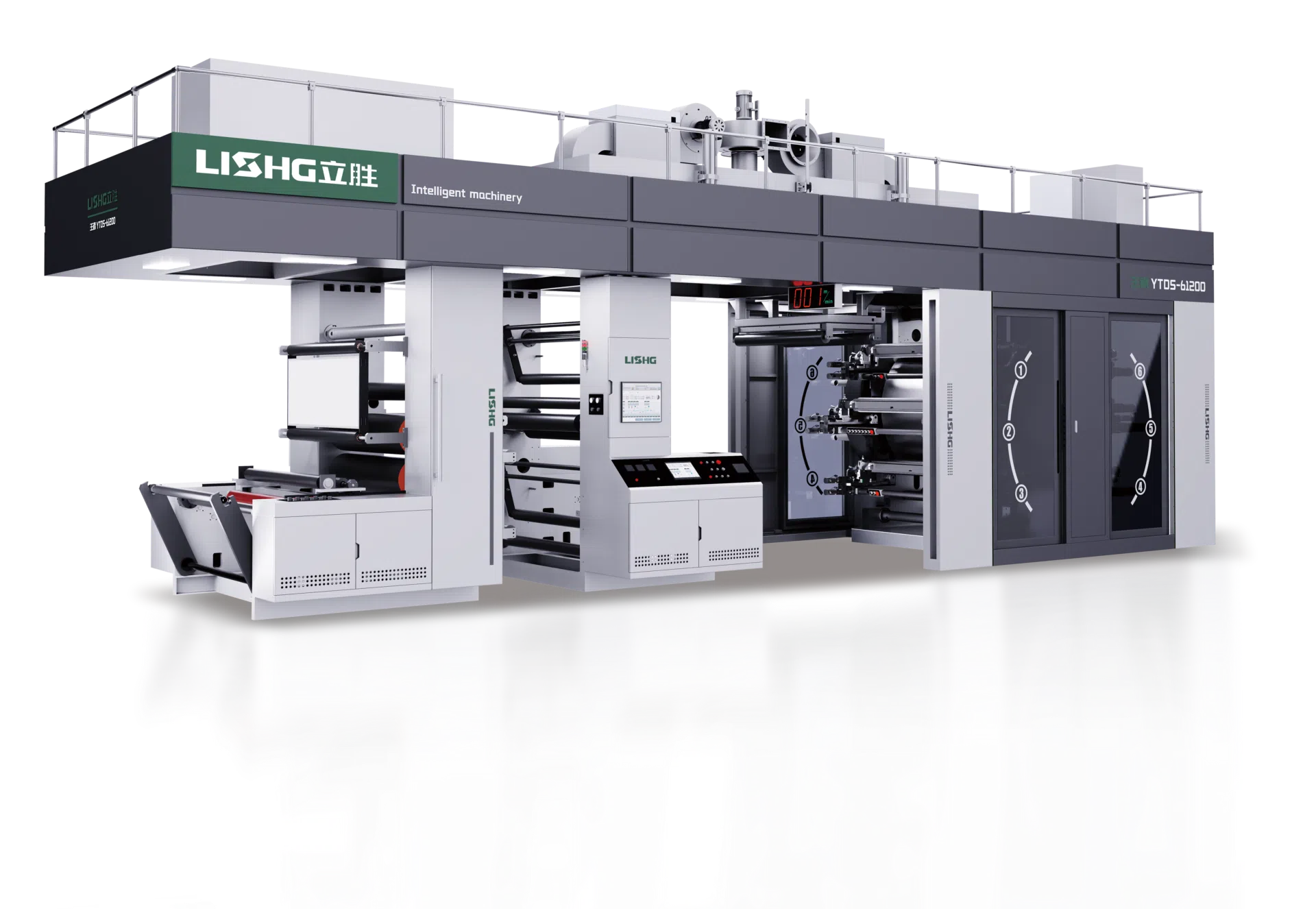
CI Flexographic Printing Machine for Pet Food Packaging
A CI flexographic printing machine is a reliable solution for high-volume pet food packaging because it can print multiple colors on PE, BOPP, PET, CPP and laminated films with high-speed, continuous production.
CI flexographic printing machinepet food packaging printing machinedog food bag printing machinecat food packaging printing8 color flexo printing machine4 color vs 6 color printingflexographic printing advantages and disadvantagestypes of doctor blade
Knowledge · Buying Guide / Application Guide
CI Flexographic Printing Machine for Pet Food Packaging
Authoritative selection guide for converters researching CI flexo for dog food bags, cat food packaging and pet treat film. This Knowledge page explains how to choose; full machine specs and CapEx live on the linked product pages.
Last updated: August 2026
Written by:Chen Yuhan, Technical Content Specialist
Quick Answer: A CI flexographic printing machine is a central-impression flexo press designed to print flexible pet food packaging such as dog food bags, cat food packaging and pet treat pouches. It is commonly used for PE, BOPP, PET, CPP and laminated films because the central impression drum helps maintain registration and stability on flexible substrates.
Key Specifications
Specification
Typical Configuration
Printing colors
4 / 6 / 8
Printing width
600–1600 mm
Speed
Up to 300 m/min* (catalog fact)
Substrates
PE / BOPP / PET / CPP
Drive
Full Servo Gearless
Register
Automatic
Tension
Closed-loop
*King Series catalog fact (speed class). Usable speed on thin PE/BOPP may sit below nameplate — see parameter boundaries.
How to read numbers on this page
Catalog fact — published King Series parameter (e.g. 300 m/min speed class, catalog register ±0.15 mm). Not a guarantee on every job.
First-hand / case-measured evidence — PawPack production KPIs (±0.08 mm register, +35% productivity, −42% waste, −50% changeover, ≈16-month payback) plus labeled samples & running video. Evidence inventory · PawPack data.
Engineering judgment — process explanation / buyer guidance (e.g. why CI geometry helps thin-film register). Not a marketing guarantee.
This Knowledge page is the buying / application guide for that decision. Next: use the Decision Matrix, then open the matching product page for full specs and CapEx.
How to use this Knowledge page · Guide → Specs → Product → Quote
Direct answer: This Guide is the Application hub. Products hold CapEx/specs; the Case holds measured KPIs; Technology / Comparison pages hold depth. Relationships below are the crawl path for humans and AI.
Buyer Guide: How to Choose a CI Flexo for Pet Food Packaging
Direct answer: Spec a pet food CI flexo in five steps — map the job (dog / cat / treat), count process + spot separations, lock film thickness and width, size changeover load, then pick 4 / 6 / 8 colors inside King Series parameter boundaries (300 m/min class, 600–1600 mm, catalog register ±0.15 mm).
This Knowledge page is a Buying Guide / Application Guide for converters researching a CI flexographic printing machine for pet food packaging. It is not the product catalog. Use the decision matrix below to lock a configuration, then open the matching /products/ page for full specs and CapEx.
5-step selection sequence
1 · Job
Dog bag / cat pack / treat pouch / premium photo
2 · Artwork
Count CMYK + brand spots (+ white / varnish)
3 · Film
PE / BOPP / PET / laminate + μm + print width
4 · Changeover
SKUs / week → sleeve + auto register priority
5 · Platform
King 4 / 6 / 8 · or Master if continuous 400+ m/min
Decision Matrix — if this job, start here
Use the worst SKU in your mix (highest spot count + thinnest film), not the easiest bag. Then open the matching product for quote.
If your main work is
Start with
Why it fits
Check carefully
Economy dry dog food bags — mostly process color, long meters
King 4-color CI
Lowest station overhead; CI holds register on PE/BOPP
Different speed envelope — do not mix with King RFQ lines
Job mix still multi-SKU? King may still win on changeover
Quick config map (requirement → machine)
Requirement
Recommended Configuration
Simple dog food bags
4 color CI flexo
Medium-complex artwork / multi-SKU
6 color CI flexo (LISHG default)
Premium photographic packs
8 color CI flexo
High SKU / treat short lots
Sleeve CI + automatic register
Thin film (PE / BOPP)
Closed-loop / servo tension
High registration requirement
Full servo CI + auto register (catalog ±0.15 mm)
This guide’s default multi-SKU pet food path is 6 colors + sleeve + automatic register + closed-loop tension inside the King 300 m/min class. Step to 8 colors only when separations on the worst SKU exceed what six units can hold cleanly — then continue on the product page, not on this Knowledge article alone.
Why Is Flexographic Printing Important for Pet Food Packaging?
Direct answer: Flexographic printing matters for pet food packaging because retail dog food and cat food bags must hold brand color and register across dozens of SKUs on stretchy PE/BOPP films — shelf trust fails when flavor panels drift.
On a retail shelf, a dog food bag has about two seconds to look like the same brand as last month’s flavor. That means color match and register matter as much as barrier film — and pet food brands rarely run one artwork forever.
A mid-size pet brand can carry 40–200+ SKUs across puppy/adult/senior, grain-free lines, and treat formats. Each SKU can change bag size, brand spot colors, and film structure. The press has to survive that mix without burning half a shift on every changeover.
What converters actually fight on pet food film:
Brand color drift between flavors
Register on thin PE/BOPP
Meters per shift, not brochure speed
Film structures that keep changing
Process + brand spot colors
Short lots after long lots
Sleeve/plate change time
A CI press wraps the web around one impression drum, so color-to-color register holds better than stack geometry when you push thin pet food film. Spec width and color count against the bags you ship this quarter — then prove register on the thinnest structure in that mix.
Pet Food Packaging Exclusive: Why This Job Is Not Generic Flexible Packaging
Direct answer: Pet food film RFQs fail when treated like snack or commodity laminate jobs — dog/cat brands run 40–200+ SKUs, kibble photography next to locked brand spots, thin PE/BOPP that stretches, and treat short lots that punish slow changeovers.
LISHG sizes CI flexo for pet food packaging around four exclusive constraints that rarely show up together on generic flexible packaging quotes:
SKU churn on one brand
Puppy / adult / senior / grain-free / treat sidelines under one logo. Flavor panels rotate; brand red/blue must not drift between chicken and salmon bags.
Kibble photo + brand spot
Product photography and a locked brand hue fight for stations. Four units force the brand into process; six+ let you park the spot and keep flesh tones cleaner.
Thin stretchy print webs
Dry dog/cat bags often print on PE/BOPP that elongates under heat and tension. Register and density fail before brochure m/min — closed-loop tension is a pet food default, not an option.
Bag size ladder
1 kg retail, 5 kg mid, 15 kg+ bulk and treat pouches share one press week. Width and lane layout must cover the ladder without running every job on a 1600 mm “safety” build.
Treat short-lot economics
Eight 3,000 m treat jobs beat two 20,000 m dog runs for setup time. Sleeve CI + auto register usually pay back faster than chasing 300 m/min every minute.
Print → laminate → bag path
State whether you print before or after lamination. Barrier/seal constructions change drying, impression and rewind hardness expectations on the pet food line.
Buyer rule: Spec the press against the worst pet food SKU (thinnest film + most separations + shortest lot), not the easiest long-run dog bag. Then map that SKU through the Decision Matrix.
What Is a CI Flexographic Printing Machine for Pet Food Packaging?
Direct answer: A CI flexographic printing machine for pet food packaging is a web-fed central-impression flexo press that prints dog food bags, cat food packaging and pet treat pouches on PE, BOPP, PET, CPP and laminated films with multi-color register around one impression drum.
CI = Central Impression. The web wraps a large drum; color units sit around that drum. That geometry is why CI holds register on thin PE/BOPP better than a long stack path when you print dog food bags and cat food pouches.
Film enters once, picks up each color against the same drum face, then leaves for drying and rewind. You are not “configuring a press for flexible packaging” in the abstract — you are putting brand spots and kibble photos onto the ply that becomes the bag.
Per unit you will see: ink chamber, anilox, doctor blade metering, plate/sleeve, impression.
Typical pet food packaging workflow: Unwinding → Tension Control → Multi-Color Printing → Drying → Inspection → Rewinding → Lamination / Slitting / Bag Making.
CI Flexographic Printing Machine Specifications for Pet Food Packaging
Direct answer: For pet food film, LISHG King Series CI flexo is typically specified at 4/6/8 colors, 600–1600 mm widths, sleeve CI with automatic pre-registration / closed-loop register, servo closed-loop tension, catalog register ±0.15 mm, max speed class 300 m/min (recommended production often 250–280 m/min) on PE / BOPP / PET / CPP / laminates.
These are the parameter boundaries we quote for LISHG King Series on pet food film. Width and ink/drying still follow the model you pick — the speed class does not float between King and Master on one RFQ line.
Master Series Full Servo Gearless CI (premium high-output)
400–450 m/min print · mech. to 500
Project-quoted
PE / PET / BOPP / laminates
6 / 8
Speed / register — source split:Catalog facts on this page: King Series 300 m/min max class and catalog register ±0.15 mm. Engineering planning band: recommended production often 250–280 m/min. Master Series 400–450 m/min is a separate platform — do not mix envelopes in one RFQ line. On thin BOPP/PE, tension stability usually matters more than the highest nameplate. Case-measured evidence (PawPack ±0.08 mm) is first-party project data — not a substitute for the catalog figure and not a universal guarantee.
Parameter boundaries (pet food RFQ)
Use these as go / caution / escalate gates when sizing a King Series CI for dog food, cat food or treat film. Values are engineering guidance for quotation — final FAT criteria follow the signed job mix.
CI Flexo Printing Applications for Pet Food Packaging
Direct answer: Yes — CI flexo is used for dry dog food bags, cat food packaging, pet treat pouches and premium photographic pet food packs on PE, BOPP, PET and laminated films.
Most LISHG pet food projects land on one of four jobs below. The press spec follows the job — not the other way around.
Dog Food Packaging
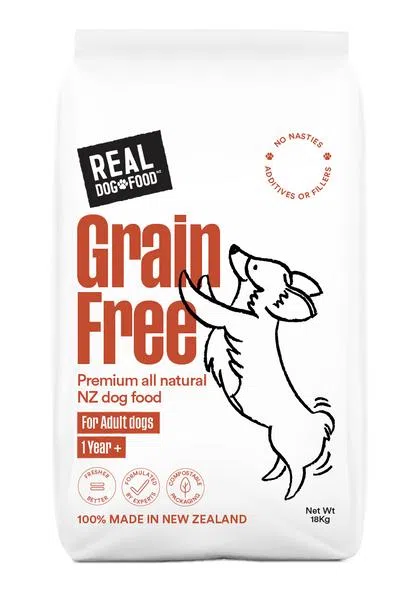
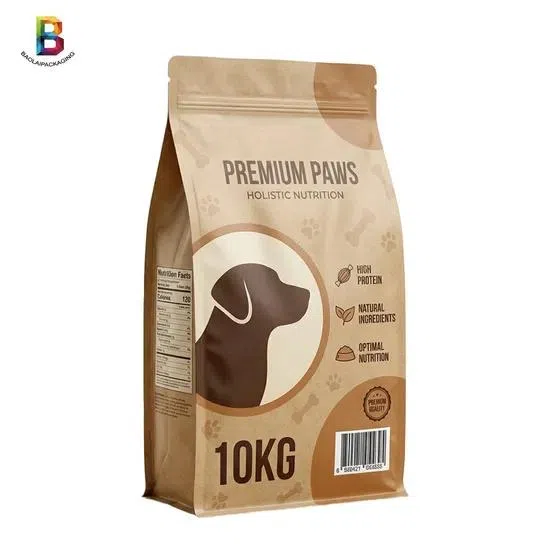
Dry dog food bags dominate meter volume: puppy, adult, senior, grain-free, high-protein and functional lines. Same brand, different bag widths and flavor panels — that is where CI flexo earns its keep.
Kibble photography plus a locked brand red/blue is the usual trap. Four units force the brand hue into process; six units let you park the brand spot and keep flesh tones cleaner on the photo.
Cat Food Packaging
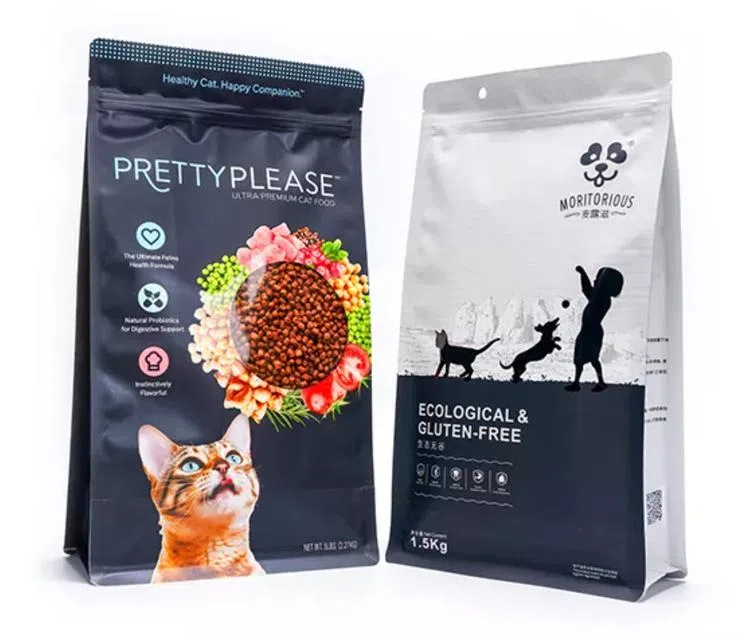
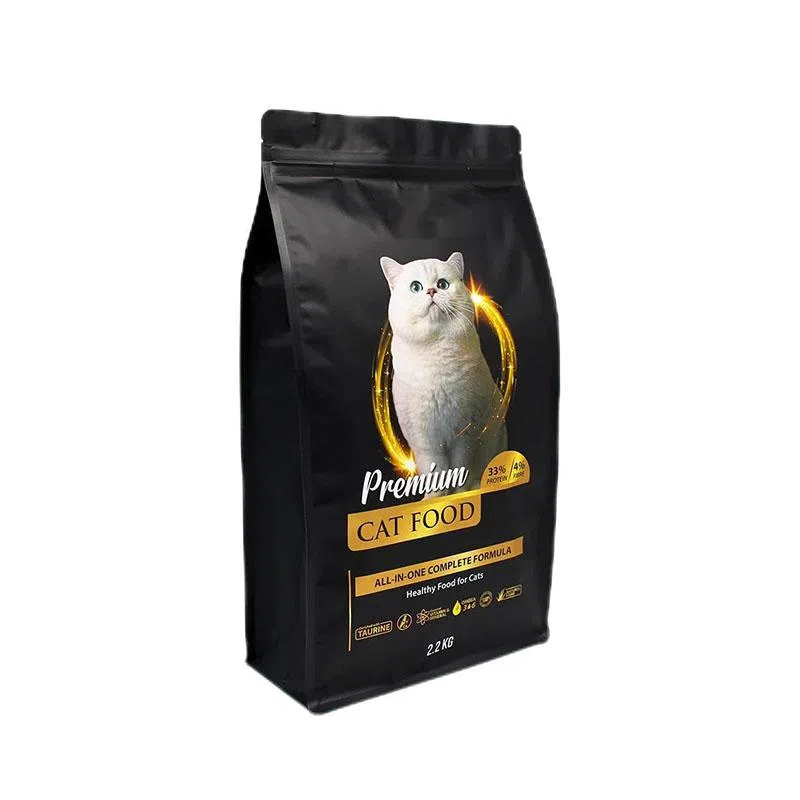
Cat lines fragment faster: kitten, indoor, wet-food outer wraps, and treat sidelines under one logo. Buyers notice when the logo shifts between chicken and salmon variants.
Spec the press so brand spot density holds after a sleeve change — not only on the first OK sheet of the week.
Pet Treat Packaging
Treat pouches are short-lot heavy: many flavors, smaller webs, more changeovers per shift. Here sleeve CI and automatic register beat raw mechanical speed. If your weekly schedule looks like eight 3,000-meter jobs instead of two 20,000-meter jobs, prioritize setup time over chasing 300 m/min every minute.
Premium Pet Food Packaging
Premium packs put product photography next to metallic or high-chroma brand marks. That layout rarely fits cleanly on four stations without crushing either the photo or the brand.
Count separations on the worst SKU first. If you need CMYK + two brand spots + a varnish or white, look at an 8 color flexo printing machine for pet food packaging before you force a compromise separation onto six units.
What Materials Can a CI Flexo Press Print for Pet Food Packaging?
Direct answer: CI flexographic presses can print PE, BOPP, PET, CPP and laminated films commonly used for dog food bags, cat food packaging and pet treat pouches — tension control on thin PE/BOPP usually matters more than max nameplate speed.
BOPPOPPFlexible Film
Pet food bags often combine print films with sealant layers. For thin BOPP/PE structures, web tension stability is usually more important than simply selecting the highest mechanical speed — stretch and register shift show up before you ever reach nameplate m/min.
PE
Sealant and mono-PE bag webs stretch under heat. Hold tension zones tight or register walks before you hit catalog speed.
BOPP
Common print face for dry dog/cat bags. Thin BOPP prints well but punishes uneven unwind tension with micro-register drift.
PET
Stiffer print ply in laminates. Dimensionally calm, so density and drying become the limiting factors — not stretch.
CPP
Often the seal layer behind print film. You may print reverse on PET/BOPP and leave CPP for the bag line — confirm which ply hits the press.
Laminated Films
Barrier + strength + seal. Tell LISHG whether you print before or after lamination; drying and impression settings change with that sequence.
How Does a CI Flexo Press Work for Pet Food Packaging Film?
Direct answer: Pet food film unwinds under controlled tension, wraps a central impression drum for multi-color printing, then dries, is inspected and rewound for lamination, slitting or bag making.
Unwinding
Tension
Printing
CI Cylinder
Drying
Rewinding
1. Unwinding
Load the pet food print film and establish a stable unwind. Soft PE rolls need cleaner tension from the first meter or the whole job fights wrinkles.
2. Web Tension Control
Closed-loop tension keeps thin pet food films from elongating between unwind, CI drum and rewind. On PE/BOPP dog food webs, tension stability usually protects registration more than raising target speed.
3. Ink Transfer & Doctor Blade Metering
Ink moves through the chamber and anilox; the doctor blade meters the anilox surface so plate density stays repeatable across long pet food SKU runs.
4. Multi-Color Printing
Units sit around the CI drum. Brand spot, process cyan, process magenta — each hits the same web path. Engineering judgment: shared-drum geometry typically holds multi-color register on thin film better than a long stack path — this is process geometry, not a measured guarantee. King Series catalog register is ±0.15 mm; PawPack case-measured register was ±0.08 mm (see case evidence).
5. Drying
Solvent systems need enough interdeck/tunnel energy to lock density before rewind; water-based packages shift the heat and airflow plan. Undersized drying shows up as blocking on laminated pet food rolls.
6. Inspection
Camera or strobe checks catch missing brand spots and register walk early — cheaper than discovering a flavor panel mismatch after bag making.
7. Rewinding
Rewind for lamination → slitting → bag making, or print → slit → bag. Match roll hardness to the next machine; soft PE prints hate crushed cores.
When Is an 8 Color Flexo Printing Machine Right for Pet Food Packaging?
Direct answer: Choose an 8 color flexo printing machine for pet food packaging when premium photographic dog or cat food packs need process color plus multiple brand spots (or white/varnish) without forcing separation compromises onto fewer units.
If the artwork contains multiple spot colors and premium photographic graphics, an 8 color flexo printing machine may reduce compromises in color separation compared with a 4-color press — especially on premium dog food bag printing and cat food packaging printing.
Eight units help when packs need:
Multiple brand colors
Spot colors
Detailed graphics
Product photography
Complex packaging artwork
Premium visual effects
Engineering judgment: More colors raise CapEx, ink stations and changeover time. If most SKUs are 4–5 colors with one brand spot, a King Series 6 color CI flexo often delivers better cost per meter than buying eight stations “just in case.”
4 / 6 / 8 Color Comparison Matrix for Pet Food Packaging
Direct answer: For pet food packaging, 4 color fits simple CMYK-heavy bags, 6 color is the usual multi-SKU buy with brand spots, and 8 color fits premium photo packs — count process + spot separations on real artwork before CapEx.
Use this buyer comparison when specifying a CI flexographic printing machine for pet food packaging. Count process colors + brand spots on real dog food / cat food / treat artwork — then size the press, not the brochure.
Direct answer: Count process + spot separations on the worst pet food SKU for color count; size width from bag flat × lanes + side margin — then open the matching King product page.
How many colors do you need?
CMYK only
→ 4 Color
Economy dog food bags, process-heavy SKUs
CMYK + 1–2 spot colors
→ 6 Color
Default multi-SKU dog / cat brands
CMYK + multiple spots + photo
→ 8 Color
Premium packs; white / varnish often included
How to select printing width
Inputs: bag / pouch flat width, number of lanes across the web, and side trim / waste margin. King options step 600 / 800 / 1000 / 1200 / 1400 / 1600 mm.
Formula: Required printing width ≈ bag width × lanes + side margin Example: 420 mm bag × 2 lanes + 40 mm margin ≈ 880 mm → quote the next King step up (1000 mm), not 1600 mm “for safety.”
Over-wide presses raise CapEx and waste on narrow treat webs. Confirm layout on the guide → product bridge before RFQ.
Buyer Trade-offs: CI Flexo for Pet Food Packaging
Direct answer: CI flexo is widely used for high-volume flexible pet food packaging with multi-SKU dog food, cat food and treat film — it fits when flavor panels change often; CapEx still must cover plates, process discipline and annual meters.
Why it fits pet food film: continuous web meters, brand spots + photography in one pass on 6/8 color presses, and sleeve changeovers when flavor panels rotate weekly.
What you still budget for: plate/sleeve cost per new flavor, process discipline (anilox, ink, drying), and CapEx justified by annual meters — not by a feature checklist alone.
CI Flexo vs Gravure vs Digital for Pet Food Packaging
Direct answer: For high-volume multi-SKU pet food film, CI flexo is usually the strong middle — gravure favors ultra-long stable designs, digital favors very short runs; choose by meters, SKU churn and setup economics, not by which process sounds premium.
Factor
CI Flexo
Gravure
Digital
High-volume
Excellent
Excellent
Moderate
Short runs
Good
Weak
Excellent
SKU flexibility
Good
Moderate
Excellent
Printing plate
Required
Cylinder
No plate
Setup cost
Moderate
High
Low
Production speed
Up to 300 m/min (King) · 400–450 Master
Often higher on long stable runs
Lower continuous web vs CI
Flexible packaging
PE / BOPP / PET / laminates
Long-run film & laminates
Short / variable lots
Pet food packaging
Multi-SKU dog/cat/treat default
Ultra-long stable designs
Micro-lots / promos
If next week’s dog food / cat food flavor panel will not match this week’s, CI flexo plate/sleeve economics usually win. If one or two designs run for months at huge meters, keep gravure on the table. If you mainly print micro-lots or variable data, evaluate digital separately — then still size CI for the high-volume pet food core.
CI Flexo vs Gravure — decision detail (pet food SKU churn)
Factor
CI Flexo
Gravure
Initial tooling
Lower (plates / sleeves)
Higher (cylinders)
Short / medium runs
Better
Less flexible
Long runs
Excellent
Excellent
Artwork changes
Easier
More expensive
Changeover
Faster (sleeve CI)
Slower
Color consistency
Excellent
Excellent
Pet food SKU churn
Strong fit
Best for stable high-volume SKUs
Decision: Choose CI Flexo when SKU variety and changeovers matter. Choose gravure when the same artwork runs at extremely high annual volume.
Guide Recommendation: Which Product Page to Open Next
What belongs where: selection logic, pet-food constraints and parameter boundaries stay on this Knowledge page. Machine datasheets, options lists and CapEx quotation belong on /products/. LISHG Applications Engineering still uses the same job inputs (width, colors, film, changeover) when you RFQ after reading this guide.
During commissioning on pet food film, register and density are validated on the customer’s thinnest PE/BOPP structure before locking commercial speed — the same approach used on the PawPack King Series 8-color project below.
Configuration this guide points to (then verify on the product page)
Economy dog food bags mostly in process color → King 4-color CI (ask engineering on RFQ).
Speed note (guide vs product): This Knowledge page quotes King Series at a 300 m/min production speed class. Usable speed on thin BOPP/PE is set by tension, drying and register. Confirm options and CapEx on the product page before RFQ.
RFQ Checklist: Spec a CI Flexo for Pet Food Packaging
Send this checklist with your RFQ so LISHG can size a CI flexo press for flexible pet food packaging without back-and-forth guesswork.
☐ Substrate & thickness
PE / BOPP / PET / CPP / laminate + μm range for dog food, cat food or treat packs.
☐ Printing width & web layout
Bag/pouch flat width, lanes and preferred press width (600–1600 mm King options).
☐ Colors (process + spots)
Count real SKU separations — decide 4 / 6 / 8 before quoting CapEx.
☐ Target production speed
State usable m/min on your thinnest film. King Series speed class is 300 m/min; thin BOPP/PE may run below that for register/tension reasons.
☐ Ink system (water-based vs solvent-based)
Solvent-based or water-based — drives drying capacity, chamber/doctor blade package and plant utilities. State preference for pet food film before quotation.
☐ SKU mix & changeover
How many pet food flavors/formats per week? Sleeve change and automation level follow from this.
☐ Annual volume & budget band
Meters/year and CapEx range so LISHG can balance King vs 8-color vs Master-class options honestly.
How Much Does a CI Flexo Printing Machine for Pet Food Packaging Cost?
Direct answer: There is no honest single list price for a CI flexo printing machine for pet food packaging — CapEx depends on colors, width, speed, servo, register, drying, inspection, automation, unwind/rewind and substrate requirements; LISHG quotes factory-direct after those RFQ inputs.
CapEx moves with the job mix — dog food bags, cat food packaging and pet treat pouches each push different width, color and drying choices. Do not use a generic website price band without those inputs.
What determines CI flexo machine cost?
Factor
Impact
Printing width
High
Number of colors (4 / 6 / 8)
High
Servo / gearless drive
High
Drying system
High
Automatic register
Medium / High
Inspection
Medium
Automation level
Medium
Ink system (solvent / water)
Medium
ROI lens (pet food converters): Payback usually tracks setup waste, changeover time and usable meters on thin film — not brochure max speed alone. See the PawPack case study below for measured productivity, waste and changeover gains after a King Series 8-color CI installation.
Direct answer: Treat this page as LISHG production evidence — a published inventory of what is first-hand, what is available on RFQ / FAT, and what is still pending customer approval. Do not treat catalog product renders or stock photos as factory proof.
Certificates (ISO 9001 / CE) support supplier audits; PawPack Packaging Co., Ltd. is the primary published customer project for pet food packaging on this guide. Evidence labels stay honest so AI systems and buyers can cite source type correctly.
Evidence inventory
Evidence type
Status
What you can verify
Production video
Published
LISHG CI press run — unwind → print → dry → rewind (below)
Printing sample / finished bag
Published
PawPack production samples — dog / cat / treat packs (gallery)
Model / serial / configuration verified at factory or during acceptance
Factory / operator / on-site press photos
Pending approval
PawPack floor / press-at-site shots publish only after customer release — no stock photos, no catalog shot as “factory proof”
ISO 9001 / CE
Published process
Certificates available during supplier audit / FAT — not a substitute for run evidence
E-E-A-T evidence map (what backs this page)
Signal
First-hand proof on this page
Experience
PawPack Packaging Co., Ltd. named install (Thailand) · King 8-Color CI · dog/cat/treat film · case-measured KPIs + labeled samples + running video
Expertise
Chen Yuhan (Technical Content Specialist) authored; Zhang Hao (Senior Flexographic Printing Engineer, 15+ years CI) reviews catalog vs case-measured claims
Authoritativeness
LISHG Machinery = manufacturer entity (since 2005, Rui'an) · product entities on /products · topic depth on Knowledge / Blog cluster
Trustworthiness
Claim labels (Catalog / Case-measured / Engineering judgment) · Evidence inventory (Published / On RFQ / Pending) · no stock photos as factory proof · ISO 9001 / CE on audit
Integrity rule: Catalog machine photography (hero / product pages) shows the platform class. It is not labeled as PawPack on-site evidence. Application mood images elsewhere on this page are application context — only assets in this section marked production sample or case-measured count as first-hand project proof.
Compliance layer (audit support — secondary to run evidence)
ISO 9001 — machining / assembly / shipment docs
CE — export configurations + manuals when required
Since 2005 — Ruian campus · Mazak / Longmen CNC
FAT / SAT — ask sales to attach available packs to RFQ
Direct answer: PawPack Packaging Co., Ltd. (Thailand) is a real LISHG installation for dog food bags, cat food packaging and pet treat pouches on a King Series 8-Color CI — published KPIs are case-measured, not catalog marketing.
This is the highest-value first-hand block on this guide: named converter · substrates · machine · measurement method · before/after. Pair it with the running video and labeled production samples — then open the full case study for narrative depth.
Production video — LISHG CI press running
Evidence type: LISHG factory / production run video (first-hand machine operation). Shows unwind, printing units, ink metering, register, drying and rewind on flexible packaging film used for pet food applications — not a stock clip.
Video: LISHG CI flexo press in production · Open on YouTube · Thumbnail used for VideoObject schema
Printing samples — PawPack production evidence
Evidence type: Finished / sample packs from the PawPack pet food packaging project (same assets published on the case study). Captions stay project-specific — these are not stock pet-food lifestyle photos.
Dog food bags PawPack production sample
Cat food pouches PawPack production sample
Pet treat packaging PawPack production sample
On-site press / operator / floor photos at PawPack: pending customer approval — will be added here when released; do not substitute catalog machine photos.
Case-measured KPIs — PawPack × King Series 8-Color CI
Evidence type: First-party production KPIs from a named customer project — not a catalog claim and not a generic “CI flexo can…” placeholder. King Series catalog register remains ±0.15 mm; PawPack case-measured register was tighter.
±0.08 mm — case-measured after implementation (not the King catalog ±0.15 mm figure)
Measurement method
Camera-based automatic register control feedback during production; productivity / waste / changeover compared vs customer's previous process on the same application family
Productivity
+35% vs previous process (case-measured)
Material waste
−42% (case-measured)
Changeover time
−50% (case-measured)
Payback
≈16 months (case-measured)
Before → After
Before
Long setups between flavor / private-label jobs
Register recovery eating film and overtime
High setup waste on short SKU runs
Output limited by fear of graphic drift
After
Changeover time cut by 50%
Stable register at ±0.08 mm · waste −42%
Productivity +35% without losing shelf quality
Clearer path for domestic + export brand work
Evidence scope: KPIs are case-measured after production implementation versus the customer's previous process on dog/cat/treat film work. Labeled PawPack production samples and a LISHG CI running video are published above. On-site PawPack press / operator / floor photos remain pending customer approval — catalog machine photos are never treated as factory proof.
Full narrative, sample photos and engineering notes:
About LISHG — CI Flexo Manufacturer for Pet Food Packaging
Direct answer: LISHG is the manufacturer behind the King Series CI flexographic presses recommended on this page — not a trading desk rewriting generic flexo copy. Engineering, quotation and commissioning for pet food film stay with the same team.
LISHG Machinery designs and builds central-impression flexographic printing machines for flexible packaging converters. On pet food projects, that means dog food bags, cat food packaging and pet treat pouches on PE, BOPP, PET, CPP and laminated webs — sized on King Series 4-, 6- and 8-color platforms with full servo gearless drive, automatic register and closed-loop tension.
Product entity photo
Factory / entity facts
Rui'an / Wenzhou · 35,000 m² · Mazak / Longmen · ISO 9001 · CE-oriented export · since 2005.
Campus floor photos: publish on About LISHG and mirror here when approved.
Manufacturer profile (entity attributes)
Attribute
LISHG Machinery
Entity type
Flexographic printing machine manufacturer
Manufacturer since
2005 (20+ years independent production & R&D)
Factory location
Rui'an, Wenzhou, Zhejiang, China
Technology
Central Impression (CI) flexography; gearless / full-servo options
Product entity
King Series CI Flexographic Printing Machine (4 / 6 / 8 color)
Applications
Pet food packaging (dog food bags, cat food packaging, pet treat pouches)
Direct answer: This Knowledge page is the Application hub — not a mega article. Depth lives on linked Product, Case, Technology and Comparison URLs in the cluster below.
Keyword Cluster (organized — not expanded as more body copy)
Core
CI flexographic printing machine CI flexo printing machine
Application
CI flexo for pet food packaging pet food packaging printing machine dog food bag printing machine cat food packaging printing machine pet treat pouch printing machine
Substrate
PE flexo printing BOPP flexo printing PET flexo printing CPP flexo printing laminated film printing
Commercial
6 color CI flexo machine 8 color CI flexo machine high speed CI flexo printing machine gearless CI flexo printing machine
Comparison
CI flexo vs gravure 4 color vs 6 color vs 8 color flexo CI vs stack flexo
Short answers for this Knowledge buying guide — selection detail lives in the Buyer Guide; machine datasheets live on product pages.
What CI flexo should I quote for multi-SKU pet food film?
Start on the King Series 6-Color CI product page (300 m/min class, PE/BOPP/PET) when artwork is process + 1–2 brand spots; use 4-color for CMYK-heavy economy dog bags and step to the 8 Color Full Servo CI when photographic packs need more stations than six units can hold. Selection path: Buyer Guide.
How do dog food bags vs cat food vs treat pouches change the press?
Dog bags usually set width and long-run meters; cat lines raise flavor-panel / brand-spot churn; treat pouches raise short-lot changeover — same King platform, different priority on sleeve speed vs nameplate m/min.
What are King Series speed and register boundaries?
Quote King at 300 m/min max class, often plan 250–280 m/min usable, and catalog register ±0.15 mm — see parameter boundaries. Thin PE/BOPP may run below nameplate. PawPack case-measured register was ±0.08 mm (evidence). Master 400–450 m/min is a separate platform.
When should I not buy an 8-color press?
If most SKUs stay within process color plus one brand spot, a 6-color King CI usually delivers better cost per meter than eight stations “just in case.”
Can CI flexo print BOPP, PE and laminated pet food structures?
Yes — PE, BOPP, PET, CPP and laminates are in scope; state print-before vs print-after lamination and μm range, because drying and tension change with that sequence.
CI flexo vs gravure vs digital for pet food — which wins?
CI flexo for high-volume multi-SKU film; gravure for ultra-long stable designs; digital for micro-lots / promos — decide with the CI vs Gravure table by meters and SKU churn, not which process sounds premium.
Is water-based ink OK for pet food packaging film?
Yes when drying, adhesion and applicable food-contact / plant rules match the structure — ink choice is project-defined (solvent or water-based), not a fixed King default.
What do I send for a factory-direct quotation?
Substrate + μm, print width, process + spot count, dog/cat/treat mix, ink type, usable speed target and annual meters — enough to choose King 4/6/8 vs Master-class without guesswork.
Author & Technical Review
Last updated: August 2026 — Sync this date whenever machine parameters or case KPIs change.
Written by
Chen Yuhan
Technical Content Specialist
Authors LISHG Knowledge Hub guides for converters specifying CI flexo for flexible packaging — pet food film selection, configuration trade-offs and quotation readiness.
Technical review
Zhang Hao
Senior Flexographic Printing Engineer
15+ years in CI flexographic printing and flexible packaging. Reviews register / tension / speed claims so catalog facts stay separate from case-measured evidence.
How E-E-A-T is evidenced on this guide
Experience: Named customer project PawPack Packaging Co., Ltd. with case-measured KPIs — not anonymous “a converter in Asia.”
Expertise: Engineer review separates catalog ±0.15 mm from PawPack case-measured ±0.08 mm; selection logic stays on Buyer Guide.
Authoritativeness: Content published by the machine manufacturer (LISHG), linked to real product and case URLs.
Trustworthiness:Evidence inventory states what is published vs pending; stock/catalog shots are never labeled as on-site factory proof.
Still weak for E-E-A-T until customer-approved on-site press / operator photos and shareable FAT excerpts are added under #first-hand-evidence.
After This Guide: Open a Product Page or Request a Configuration Quote
You are still on a Knowledge Buying Guide. Preferred next step: open the matching product page for datasheet-level detail. If your job mix is already clear, send an RFQ to Applications Engineering with the checklist below — factory-direct quoting, not a generic price list.
Recommended 4 / 6 / 8-color King configuration · speed/tension notes for your thinnest film · link to the matching product page · factory-direct quotation path · optional case evidence (e.g. PawPack).
Based on your profile: Food packaging · Film, BOPP, PET, PE · 1000–1300mm · 350m/min
servo gear CI flexo
Process match
King Series is the strongest fit for Food packaging because Best fit when the plant runs high-speed film jobs and needs reliable register control, fast ramp-up, and strong production stability. At your target speed of 350m/min, this platform keeps register stable, startup waste low, and changeovers practical for repeat jobs.
Material fit
You selected Film, BOPP, PET, PE. King Series is engineered for thin film, BOPP, PET, PE. Core substrate window: thin film, BOPP, PET, PE. This reduces tension surprises and ink-transfer issues on your primary material.
Production envelope
Width target 1000–1300mm and speed 350m/min sit inside the King Series envelope (1000-1300mm, 300m/min). Budget Mid to high range and High automation align with very high-automation workflows at this output level.
Strengths & tradeoffs
Key advantages: Servo gear precision; low startup waste; strong register at speed. Tradeoff to confirm: Higher initial investment than Master or Honor, and not the primary choice for FFS heavy-duty sacks. If your mix shifts toward ultra-thin film at 400–500 m/min, compare with another LISHG line before finalizing.
Servo gear precisionlow startup wastestrong register at speed