QUESTION · PRINTING CAPACITY
How do I calculate the printing capacity my packaging business needs?
Start with your required output rather than the maximum machine speed. Estimate the annual or monthly print volume, average job length, available production hours, expected changeovers, target operating efficiency, and material width. Then compare the required output with the practical capacity of different flexographic press configurations.
FLEXO SOLUTIONS
Recommended Press Configurations
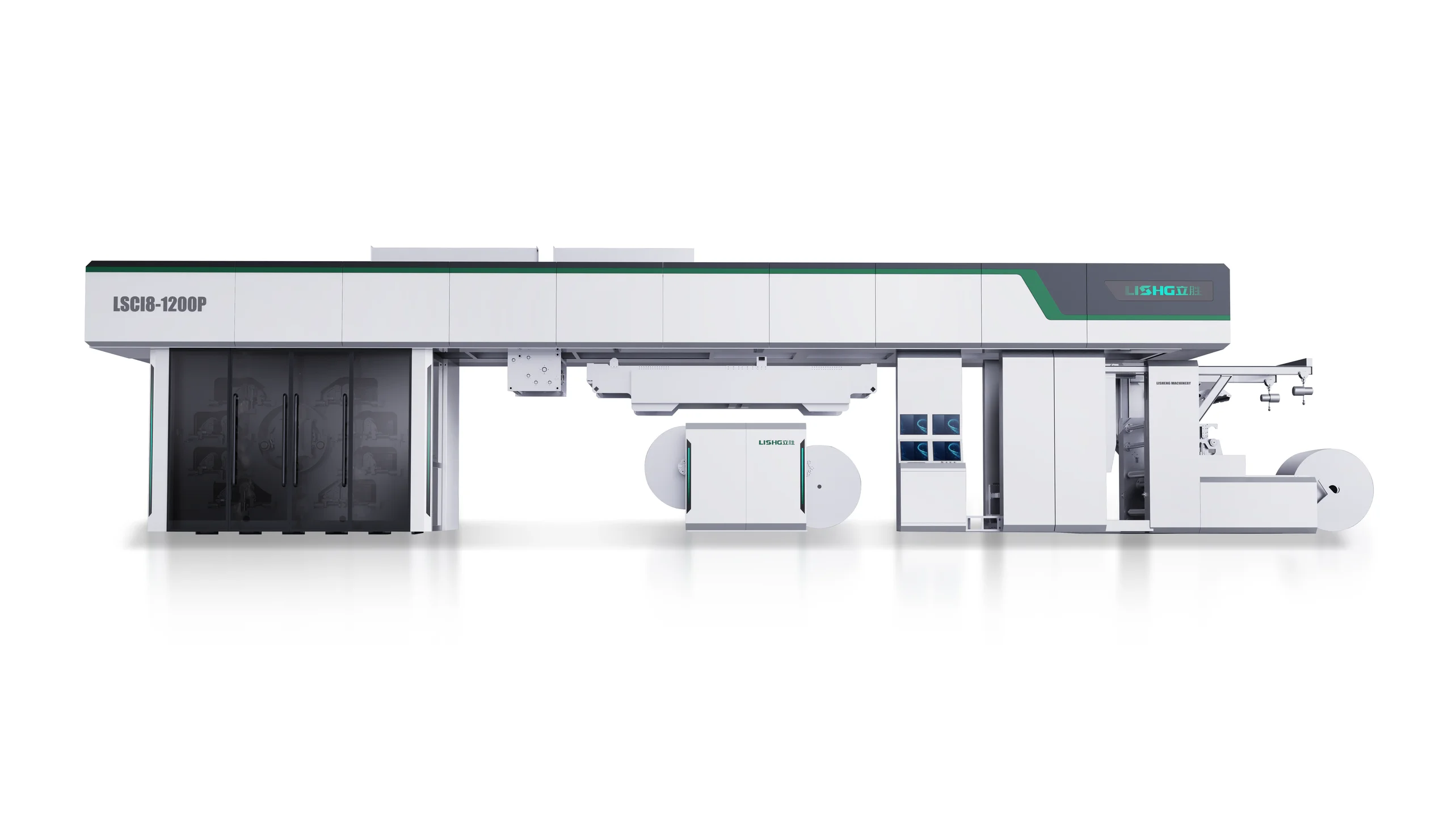
For flexible packaging production, a MASTER Full Servo Gearless CI Flexo Press may suit high-volume and high-precision requirements, while the KING CI Flexo Press is designed for stable, high-volume flexible packaging production across different web-width requirements. For applications requiring a stack architecture and varied job requirements, the HONOR Stack Flexo Press may provide a more suitable production configuration.
Calculate the amount of finished print production your business must deliver.
Capacity depends on more than the machine's maximum rated speed.
Use realistic production conditions instead of brochure-level maximum speed.
Select the press platform according to production requirements and application.
Match Printing Capacity With Your Production Scenario
Different packaging production scenarios require different capacity strategies. Instead of selecting equipment from maximum speed alone, evaluate the combination of production volume, job mix, web width, changeover requirements, and expected operating hours.
| Production Scenario | Capacity Priority | Recommended Direction |
|---|---|---|
| High-volume flexible packaging | High continuous output and stable registration | MASTER Full Servo Gearless CI |
| High-volume flexible packaging | Stable continuous output and print consistency | KING CI Flexo Press |
| Varied jobs with frequent changes | Flexible configuration and manageable changeovers | HONOR Stack Flexo Press |
Printing Capacity Should Be Calculated From Required Output, Not Maximum Machine Speed
A press rated for a high maximum speed does not automatically deliver the same output in daily production. Actual capacity is influenced by job length, setup time, changeovers, material handling, print quality requirements, operator efficiency, and production scheduling. The objective is to select a machine configuration that can consistently meet your required output under realistic operating conditions.
Four Factors That Determine Your Printing Capacity Needs
Required Production Volume
Start with the amount of print production required per month, quarter, or year. Separate regular demand from peak demand so the equipment is not sized only around an exceptional production period.
Available Production Time
Determine realistic production hours rather than assuming every scheduled hour becomes printing time. Planned maintenance, preparation, cleaning, material handling, and changeovers all affect usable production time.
Job Mix & Changeovers
Two factories with the same annual volume may need different press capacity if one runs long jobs while the other handles many shorter jobs. Changeover frequency can significantly reduce effective printing hours.
Practical Operating Efficiency
Compare the required output with realistic production efficiency. Speed, waste, downtime, registration requirements, and operator performance all influence the actual capacity delivered by the press.
Compare Press Types Before Finalizing Capacity
Capacity planning should be connected to press architecture. A stack press, CI flexo press, and gearless CI platform may offer different advantages depending on production volume, substrate requirements, web width, job mix, and quality expectations.
| Criteria | Stack Flexo | CI Flexo | Gearless CI |
|---|---|---|---|
| Production profile | Varied jobs and flexible production | High-volume flexible packaging production | High-speed and precision-focused production |
| Capacity focus | Flexibility | Continuous output | High repeatability and output |
| Registration | Suitable for varied production needs | Stable registration on supported packaging substrates | High precision potential |
| Typical LISHG match | HONOR | KING | MASTER |

Find the Printing Press Configuration That Matches Your Capacity
Capacity planning becomes more useful when your production inputs are considered together. Instead of comparing machine speed alone, evaluate your substrate, web width, expected output, average job length, changeover pattern, and investment range before selecting a press family.
How the AI Press Selector Works
- Substrate type
- Required print width
- Target production output
- Average job length
- Changeover requirements
- Investment range
- Recommended press family
- Application suitability
- Capacity considerations
- Configuration direction
- Technical comparison
- Next-step recommendation
| Production Requirement | Recommended Direction |
|---|---|
| High-volume film production with high precision requirements | MASTER Full Servo Gearless CI |
| High-volume flexible packaging with CI printing requirements | KING Series Servo Gear CI Flexo Press |
| Varied jobs requiring stack architecture | HONOR Stack Flexo Press |
MASTER Full Servo Gearless CI
Best suited to buyers prioritizing high-volume film production, precision, and full-servo gearless architecture.
KING CI Flexo Press
A servo gear CI flexo platform for high-volume flexible packaging production, combining stable mechanical transmission, sleeve technology and consistent print performance.
HONOR Stack Flexo Press
A stack configuration for varied production requirements and flexible job scheduling.
A Practical Five-Step Method for Calculating Printing Capacity
Calculate Required Output
Determine how much finished print production your business must deliver within the selected period.
Estimate Usable Production Hours
Remove planned downtime, preparation, changeovers, maintenance, and other non-printing activities from total scheduled hours.
Evaluate Job Mix
Review average job length, number of daily jobs, changeover frequency, substrate mix, and production scheduling.
Compare Practical Capacity
Compare your required output with realistic press performance instead of using the maximum published speed as the only benchmark.
Allow for Future Growth
Consider expected business growth and new production requirements without over-sizing the machine for demand that may never materialize.
Related Flexo Printing Machine Options from LISHG
Once your capacity requirements are defined, compare the press platforms according to application, production profile, and configuration priorities.
| Product Img | Product | Best For | Why Consider It |
|---|---|---|---|
|
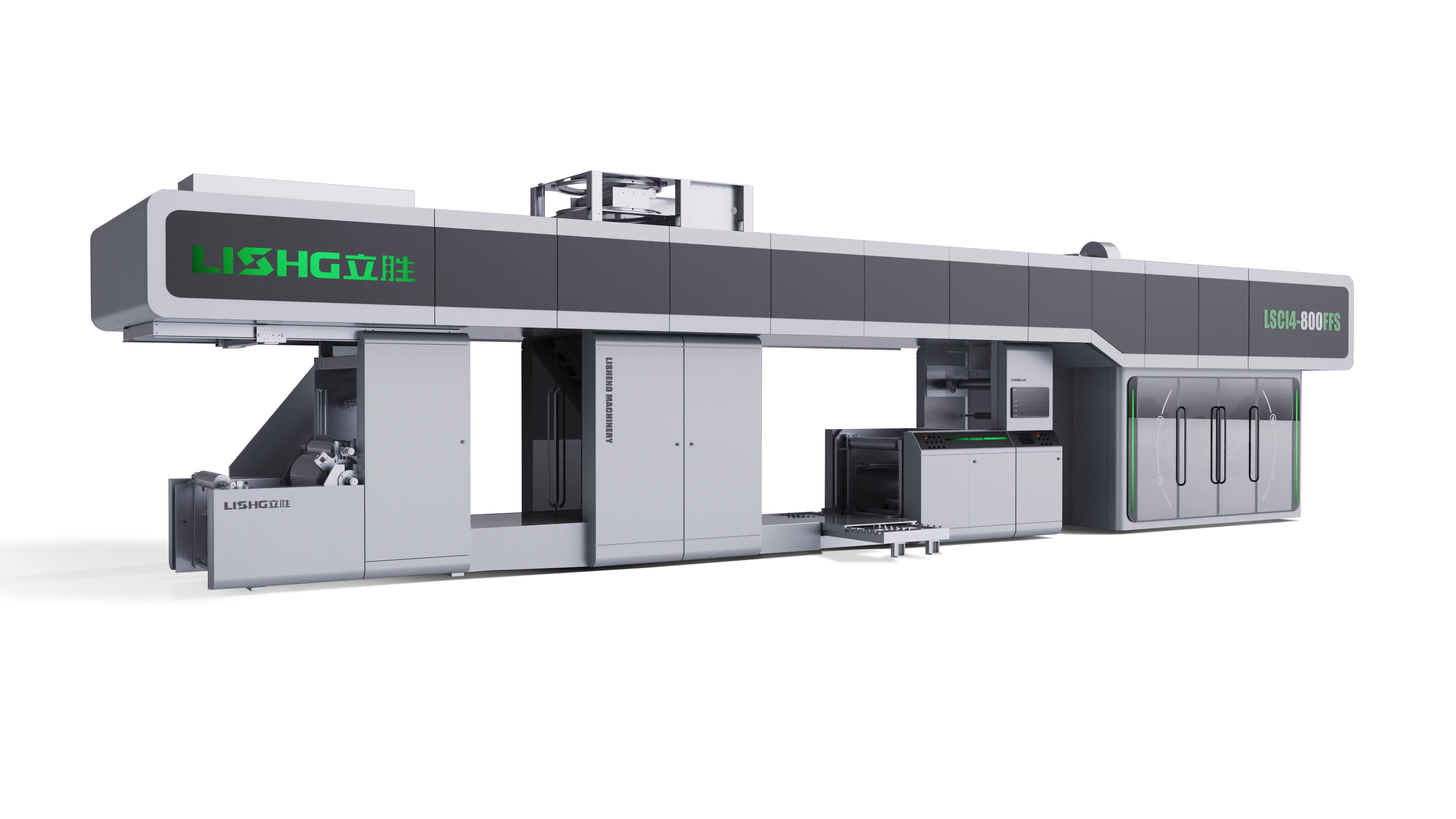
MASTER Series Full Servo Gearless CI Flexo Press | High-volume film production | Full-servo gearless architecture with stable CI registration for demanding production requirements. |
|
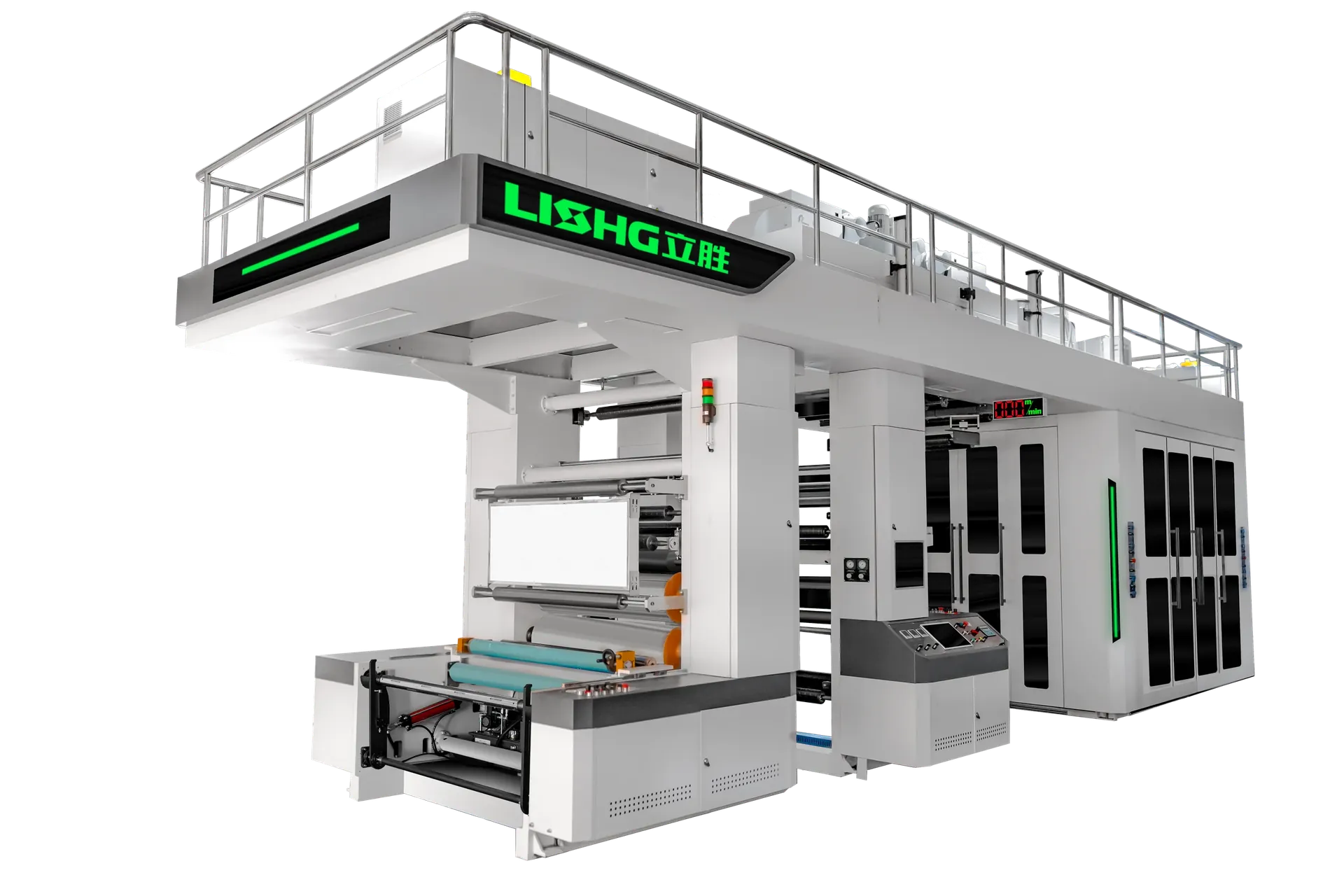
KING Series Central Impression Flexo Press | Wide-web CI production | CI architecture designed for stable web handling and consistent packaging production. |
|
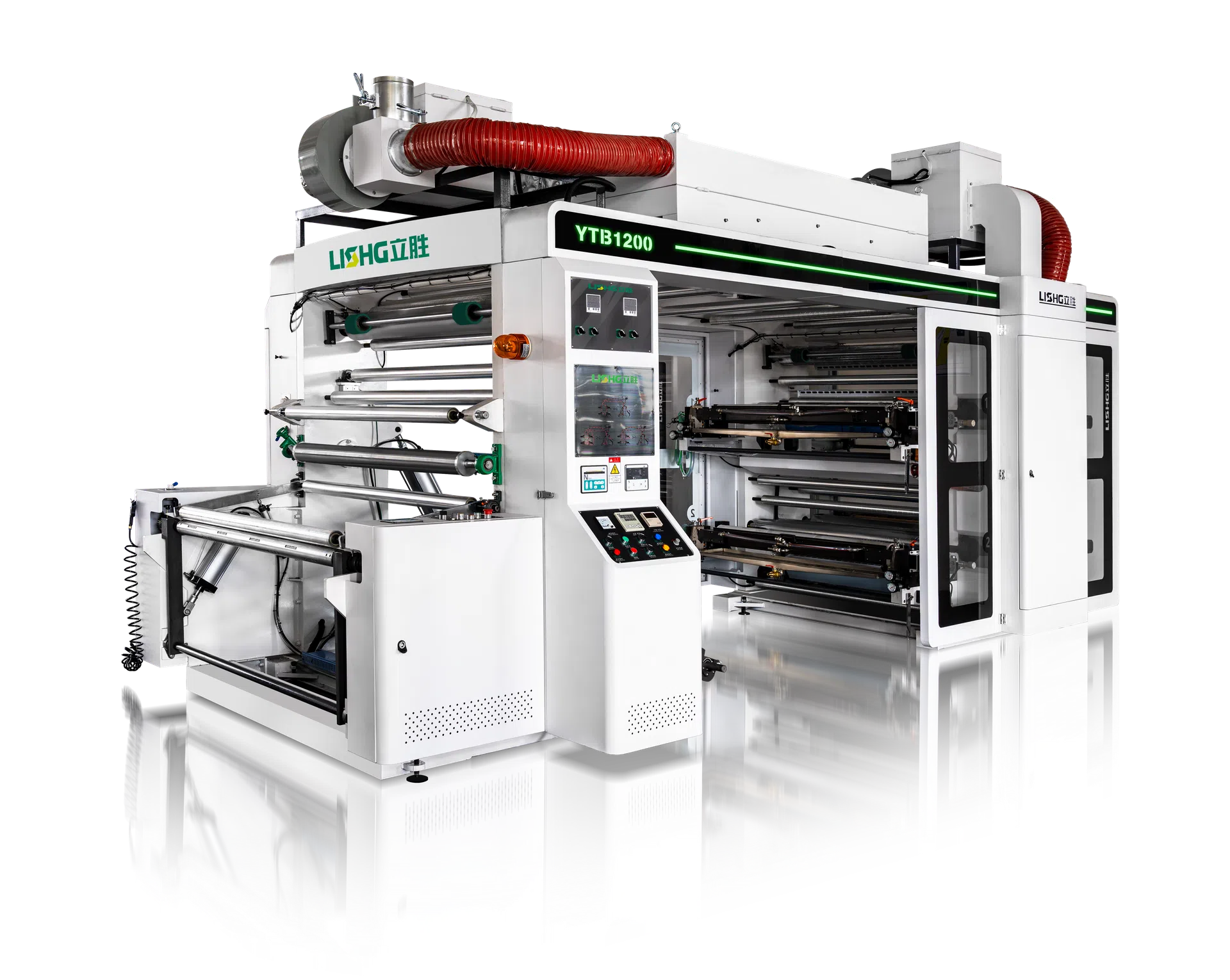
HONOR Series Stack Flexo Press | Varied jobs and stack production | Stack architecture suited to flexible production requirements and varied job scheduling. |
Frequently Asked Questions About Printing Capacity
How do I calculate the printing capacity my factory needs?
Start with required production volume, then estimate usable production hours and practical output per hour. Account for changeovers, preparation, maintenance, job mix, and expected operating efficiency before comparing the result with press capacity.
Is maximum printing speed the same as actual production capacity?
No. Maximum speed is a machine capability indicator, while actual production capacity depends on the complete production process. Changeovers, substrate behavior, print quality requirements, downtime, operator efficiency, and production scheduling can all reduce practical output.
How does job length affect printing capacity?
Longer jobs generally allow more of the available production time to be used for continuous printing. Shorter jobs can require more frequent preparation and changeovers, reducing effective production hours even when the machine has a high maximum speed.
Should I select a machine based on my current volume or future demand?
Consider both. The press should meet current production requirements while providing reasonable capacity for credible business growth. Over-sizing can increase investment and operating costs, while under-sizing can create production bottlenecks.
What information should I prepare before contacting a flexo press manufacturer?
Prepare substrate types, target print width, required production volume, average job length, number of jobs, expected production hours, color requirements, quality expectations, and future production plans. These inputs help the manufacturer recommend a realistic machine configuration.
Can LISHG recommend a customized printing machine configuration?
Yes. LISHG evaluates production requirements such as substrate, web width, production targets, job mix, and application before recommending a suitable press configuration. The final machine specification can then be discussed according to the buyer's actual production requirements.
Choose Printing Capacity That Fits Your Actual Production Needs
Calculating printing capacity is ultimately a production planning exercise, not a simple machine-speed comparison. Start with the output your business needs, then account for available production time, job length, changeovers, substrate requirements, print quality, and realistic operating efficiency.
The right flexographic printing machine should provide enough practical capacity to meet current demand while supporting credible future growth. For high-volume and precision-focused film production, the MASTER Series may be the appropriate direction. For wide-web CI production, evaluate the KING Series. For varied production requirements using a stack architecture, consider the HONOR Series.
By calculating capacity before comparing machine quotations, packaging converters can reduce the risk of buying too much or too little production capability and make a more informed long-term equipment investment.


