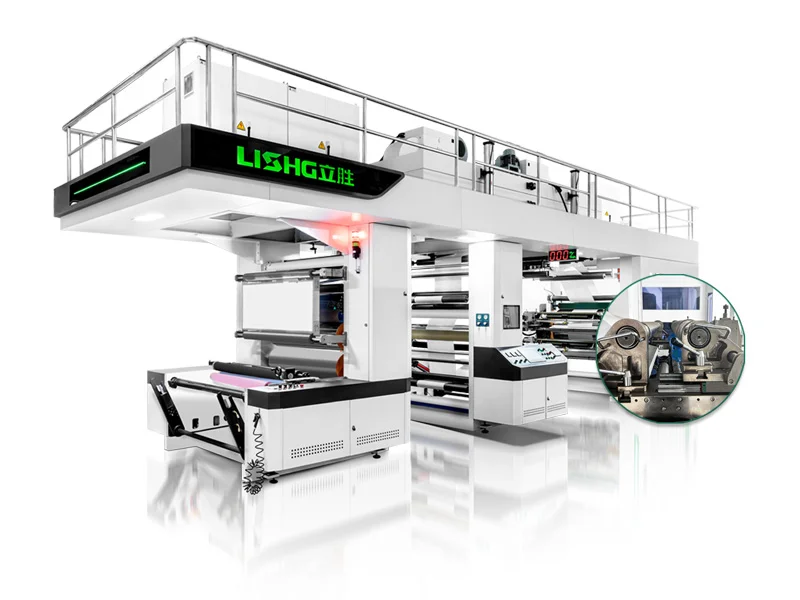
CI Flexo Press Investment Guide
CI Flexo Press TCO: What Buyers Should Consider
When a CI flexo press is being considered, the quotation is usually the first number everyone looks at. It is also one of the easiest numbers to misunderstand.
The purchase price tells you what you are paying for the machine. It does not tell you what the machine will cost to operate, maintain, support, or keep productive once it is installed.
That is the reason to look at Total Cost of Ownership, or TCO. For a real equipment purchase, TCO is less about building a complicated financial model and more about asking whether the proposed press makes economic sense for the work it will actually run.

A useful TCO review connects three things: what you buy, how you operate it, and how much productive output you get from it.
In This Guide
Start With the Quotation | Real Ownership Costs | Production Pattern | Effective Output | Supplier Comparison | Buyer Checklist | FAQ
01 / Quotation Review
Start With the Quotation, But Do Not Stop There
A CI flexo press is normally quoted as a configured machine rather than as one fixed product. That makes quotation comparison more important than simply comparing the final numbers at the bottom of two proposals.
For example, one supplier may include certain equipment, installation support, training, or spare parts in the quoted price while another may list them separately. Both prices may be correct, but they are not necessarily comparable.
What to Check Before Comparing Prices
Machine Configuration
Check the proposed press configuration, printing units, web width, drive arrangement, and other equipment included in the quotation.
Installation and Commissioning
Clarify what is included for installation, commissioning, startup support, and operator training.
Spare Parts
Find out which initial spare parts are included and which parts the supplier recommends keeping available.
Commercial Conditions
Review delivery, payment, shipping, installation responsibilities, exclusions, and other costs that sit outside the machine price.
The practical rule is simple: make the quotations comparable before trying to decide which one is cheaper.
02 / Ownership Costs
What Actually Adds to the Cost of Owning a CI Flexo Press?
There is no need to turn every operating expense into a precise number before making a first comparison. Start with the costs that can materially affect production economics.
Initial Investment
This is the obvious part of the calculation. Look at the complete investment rather than the equipment price alone. Installation, commissioning, training, spare parts, and other project costs may all belong in the initial investment.
Labor
Labor cost is not simply the number of people standing beside the press. Setup, job changes, cleaning, adjustments, inspection, and routine operating work all use production time.
Maintenance and Spare Parts
Ask what routine service is required, which components normally need attention, and what spare parts should be planned for during operation.
Downtime
When the press is unavailable, the cost is not limited to the repair itself. Production capacity is also lost, and the interruption may affect the schedule of other jobs.
Energy
Energy should be considered against the actual production schedule and equipment configuration. A nameplate power figure by itself does not tell you the cost of producing a specific job.
Technical Support
Support becomes a cost issue when the press needs troubleshooting, replacement parts, or technical assistance. Find out what the supplier actually provides after installation.
03 / Production Pattern
Your Production Pattern Changes the TCO Calculation
The same press can make economic sense for one factory and be a poor fit for another. The difference is often the production pattern rather than the machine itself.
Before comparing TCO, look at what your production department actually does during a normal month.
| Production Situation | What Matters More | Question to Ask |
|---|---|---|
| Long production runs | Sustainable production rate, operating cost, maintenance and production stability | What output can the press realistically maintain during normal production? |
| Frequent job changes | Setup time, operator workload, cleaning and lost production time | How much time does the factory normally lose between jobs? |
| High machine utilization | Downtime, service response, maintenance planning and available capacity | What is the financial effect if the press is unavailable during a busy period? |
| Growing production | Capacity fit, utilization and whether the proposed configuration can support expected workload | Will the press still be a sensible fit if production increases? |
A useful TCO model therefore starts with the factory's workload. Do not build the calculation first and try to fit the production into it afterward.
04 / Effective Output
Do Not Build the TCO Around Maximum Speed
Maximum press speed is easy to find on a specification sheet. It is much harder to translate that number into annual production.
A press does not spend every production hour printing at its maximum rated speed. Time is used for setup, job changes, adjustments, planned maintenance, and other production activities. The actual production rate also depends on the work being run.
A More Useful Way to Look at Output
Available Time
Start with the hours the press is actually scheduled to operate.
Production Time
Remove time spent on setup, changeovers, planned maintenance, and realistic interruptions.
Usable Rate
Use a production rate that reflects normal jobs rather than a best-case machine test.
Working Formula
Effective Output = Productive Hours × Realistic Production Rate
This is a much better starting point for TCO than simply putting the highest number from the machine brochure into a spreadsheet.
05 / Lost Production
Changeover and Downtime Deserve More Attention Than They Usually Get
When a press is stopped, the cost is not just the number on the maintenance invoice. The factory has also lost productive time.
Changeover
For a factory with long production runs, a changeover may not be a major TCO issue.
For a factory running many shorter jobs, the same amount of time can become a recurring production cost. The number of job changes per week is therefore worth putting into the calculation.
Unexpected Downtime
Downtime becomes more expensive as machine utilization increases because there is less spare capacity available to absorb the interruption.
This is why service support and spare parts should be discussed as part of the equipment purchase rather than treated as an after-sales detail.
Use your own production data whenever possible. Your actual job frequency, production schedule, labor cost, and machine utilization are more useful than a generic industry assumption.
06 / Maintenance
Ask the Supplier About Maintenance Before You Buy
Maintenance is easier to budget when the supplier is specific about what the machine needs. General statements about reliability are less useful than a clear maintenance plan.
Before signing the purchase agreement, ask for practical information about routine service, replacement parts, recommended spare inventory, and technical support.
Routine Service
What inspections and service work are expected during normal operation?
Replacement Parts
Which parts are expected to require replacement and how should they be stocked?
Technical Support
Who provides technical assistance when the production team encounters a problem?
Documentation
What operating, maintenance, electrical, and technical documentation will be supplied?
07 / Supplier Comparison
A Simple Way to Compare Supplier Proposals
Once the machine configurations are clear, put the proposals side by side. The purpose is not to make every number look precise. The purpose is to find out where the proposals are genuinely different.
| Area | Supplier A | Supplier B | What to Verify |
|---|---|---|---|
| Machine scope | Configuration and included equipment | Configuration and included equipment | Are both proposals technically comparable? |
| Installation | Included or excluded | Included or excluded | What additional cost remains? |
| Production rate | Supplier proposal | Supplier proposal | What rate is realistic for the actual work? |
| Maintenance | Supplier information | Supplier information | Are the assumptions clear? |
| Support | Service arrangement | Service arrangement | Who handles technical issues after installation? |
| Downtime | Buyer estimate | Buyer estimate | Are both evaluated under the same assumptions? |
If a number is only an estimate, mark it as an estimate. A transparent assumption is more useful than a precise number that nobody can explain.
08 / Investment Decision
A Higher Purchase Price Is Not Automatically a Higher TCO
This is one of the areas where equipment buyers need to be careful. A more expensive press can be the better investment, but only when the additional cost solves a real production requirement.
For example, a higher investment may make sense if it gives the factory the production capacity it actually needs, reduces a recurring operating burden, or provides a better fit for the planned workload.
Capacity
If current production is constrained, additional productive capacity may have a direct commercial value.
Labor
If the configuration changes the amount of routine operating work, that difference belongs in the economic comparison.
Production Stability
If a configuration addresses a known production problem, evaluate the benefit against the actual cost of that problem.
Future Workload
The right investment should also make sense against the production volume the factory realistically expects to handle.
The better question is not “Which machine costs less?” It is “What am I getting for the difference in investment, and does my production actually need it?”
10 / Configuration
Choose the Configuration Around the Production Requirement
TCO should not be used to decide between machines before the production requirement is understood. The first question remains whether the proposed press is technically suitable for the work.
For buyers evaluating LISHG equipment, the available CI flexo press configurations can be reviewed according to the production profile, substrate requirements, web width, color requirements, workload, and expected utilization.
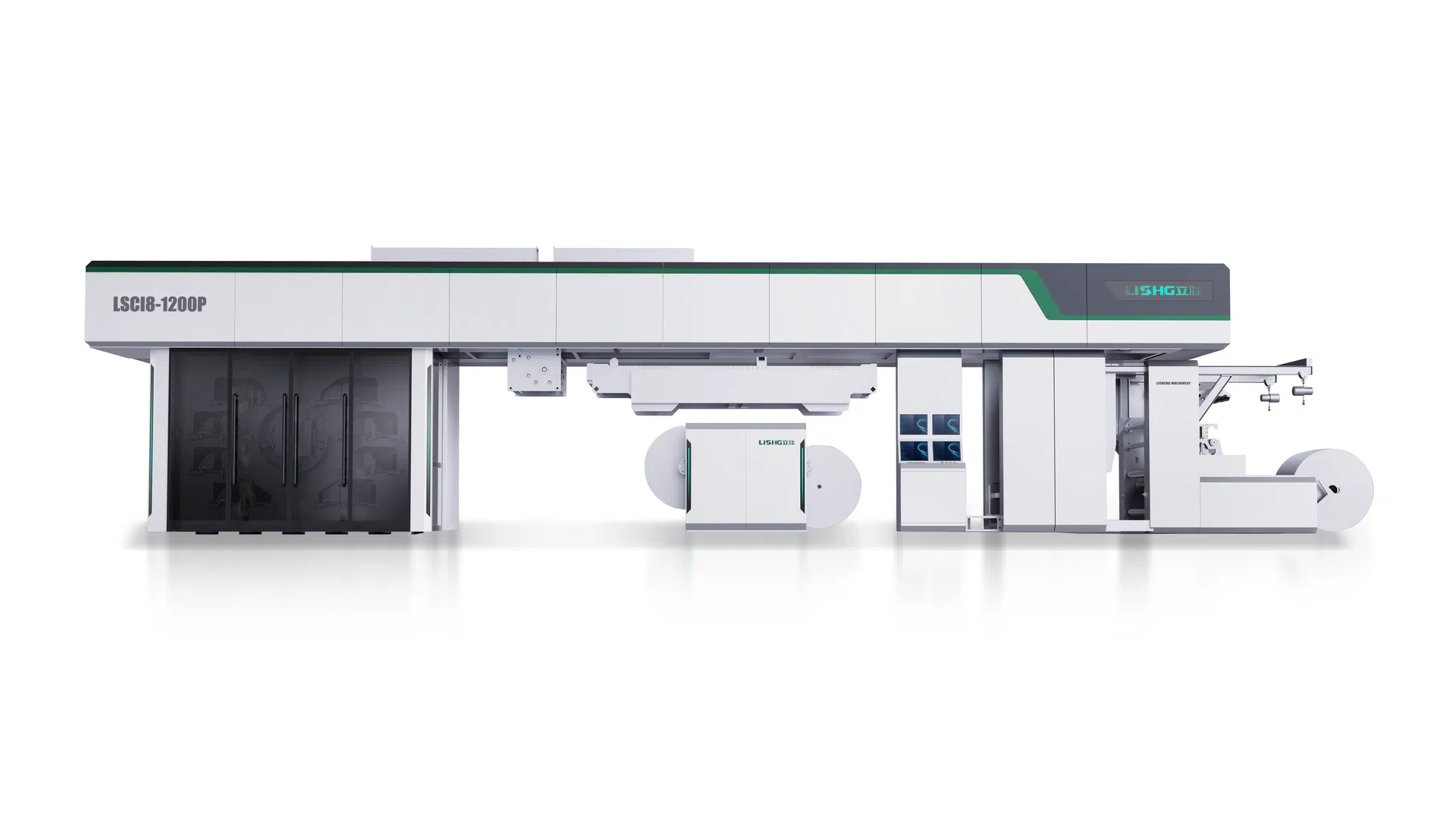
MASTER Full Servo Gearless CI Flexo Press
A full servo, gearless CI flexo press for production requirements where precise drive control and a higher level of automation are important to the overall press configuration.
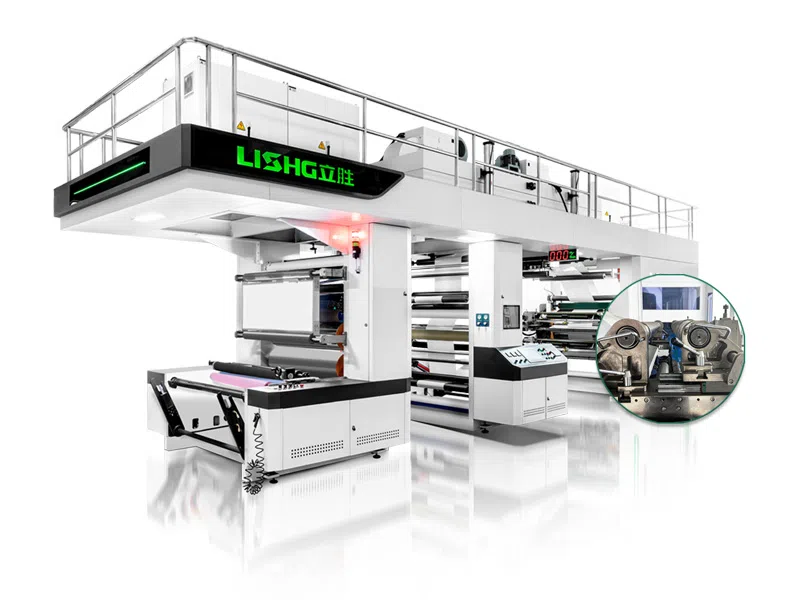
KING CI Flexo Press
A gear sleeve CI flexo press designed for buyers evaluating equipment configuration, production requirements, and investment priorities together.
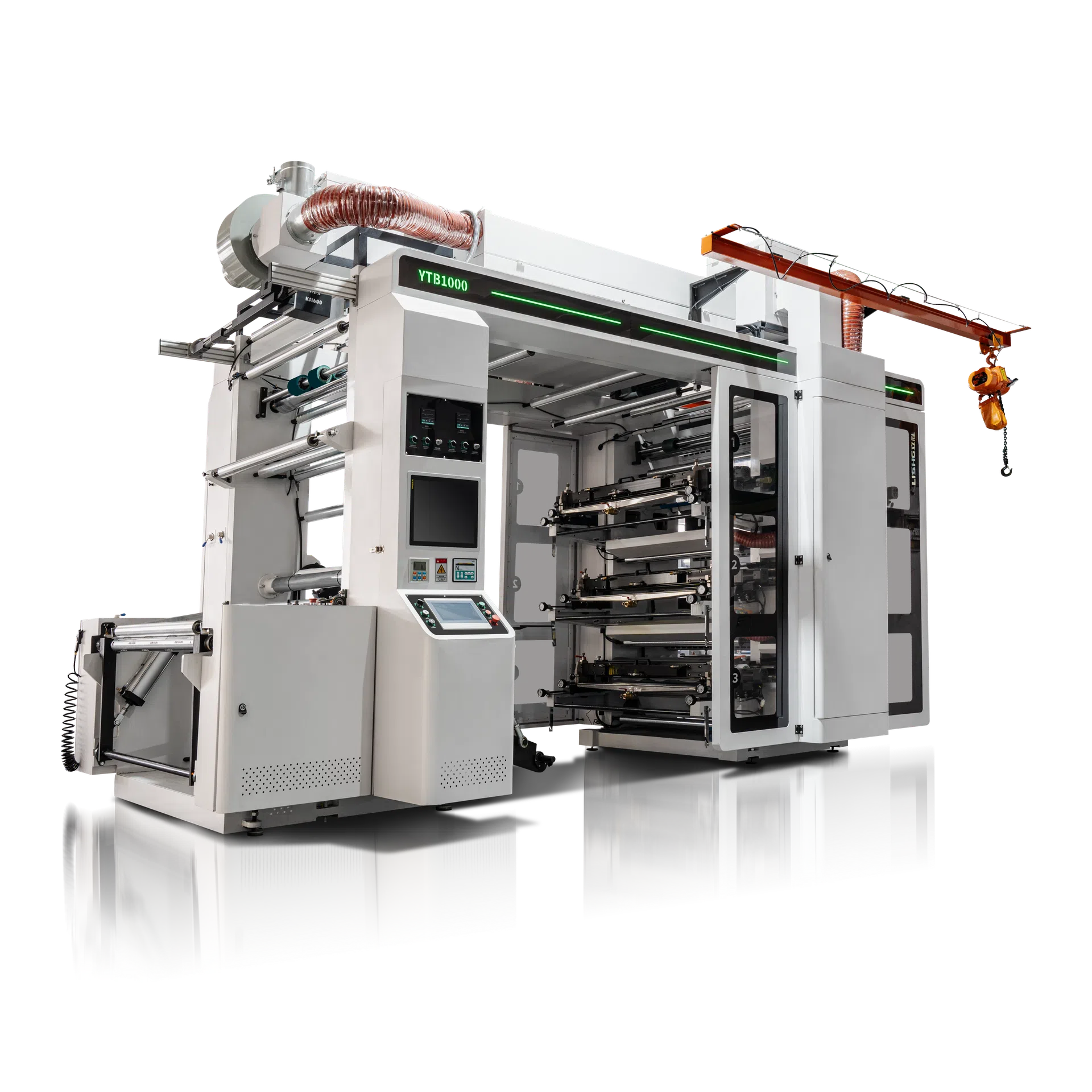
HONOR Stack Flexo Press
A stack flexo press option for buyers whose production requirements are better suited to a stack press configuration rather than a CI press.
The purpose of a TCO review is not to make one configuration look better on paper. It is to determine whether the proposed configuration makes economic sense for the factory that will operate it.
11 / Buyer Checklist
CI Flexo Press TCO Checklist
Before comparing final proposals, make sure you can answer these questions.
About the Quotation
- Is the machine configuration clearly defined?
- Which items are optional?
- What is excluded from the quoted price?
- Are installation and commissioning included?
- Are training and initial spare parts included?
About Production
- What is the normal annual production workload?
- How often do jobs change?
- What are the typical job sizes?
- What production rate is realistic?
- How much spare capacity does the factory need?
About Ownership
- What routine maintenance is required?
- Which spare parts should be kept available?
- What labor assumptions are being used?
- What energy assumptions are being used?
- How has downtime been considered?
About the Supplier
- Who provides technical support?
- How are spare parts supplied?
- What documentation is provided?
- What training is included?
- What support is available after installation?
12 / Purchasing Process
Where TCO Fits Into the Purchasing Decision
TCO works best as part of the purchasing process rather than as a separate financial exercise.
01
Define the Production Profile
02
Collect Supplier Proposals
03
Normalize the Quotations
04
Estimate Ownership Costs
05
Compare Effective Output
06
Make the Technical and Commercial Decision
The sequence prevents a common mistake: choosing a machine based on the quotation first and only later discovering that its cost structure does not fit the production department.
13 / Buyer Questions
CI Flexo Press TCO FAQ
What does TCO mean when buying a CI flexo press?
TCO means looking beyond the purchase price and considering the broader cost of owning and operating the press. Depending on the project, this can include installation, labor, energy, maintenance, spare parts, downtime, and technical support.
Is the lowest machine quotation usually the lowest TCO?
Not necessarily. Different quotations may include different equipment, services, and commercial conditions. A lower purchase price can also have a different operating cost profile. Compare equivalent scopes before making the decision.
How does job change frequency affect CI flexo press TCO?
Frequent job changes increase the amount of time spent on setup and preparation. Whether this has a major financial effect depends on the factory's job mix and production schedule.
Should maximum printing speed be used in a TCO calculation?
Maximum speed can be part of the technical comparison, but TCO should use a realistic production rate based on the work the factory expects to run.
What maintenance information should I request from a supplier?
Ask about routine maintenance, expected replacement parts, recommended spare inventory, technical documentation, and the support available after installation.
Can TCO be estimated before buying a CI flexo press?
Yes. A preliminary evaluation can be based on the supplier quotation, expected production workload, labor, energy, maintenance, downtime assumptions, and realistic output.
What information should I prepare before requesting a CI flexo press quotation?
Prepare the substrate range, typical and maximum web width, color requirements, expected production volume, working schedule, average job size, job change frequency, and expected production growth. The clearer the production profile, the more useful the supplier's proposal will be.
Final Takeaway
Look at the Press as a Production Asset
A CI flexo press should not be evaluated only by its purchase price or its highest specification.
The more useful comparison is the relationship between the initial investment, operating cost, maintenance requirements, downtime, and productive output.
What You Buy → How You Operate → What You Maintain → What You Lose When Production Stops → What You Produce
That is the part of TCO that matters in the real factory. Start with your production data, make the supplier proposals comparable, and then decide whether the investment fits the work you actually expect the press to handle.
Next Step
Prepare Your Production Data Before Requesting a Quote
A meaningful CI flexo press proposal starts with the work the machine will actually perform. The following information is useful when discussing a new press configuration:
With this information, LISHG can evaluate the production requirement and discuss a suitable CI flexo press configuration instead of starting from a generic machine specification.


