FLEXO PRESS COMPARISON GUIDE
CI Flexo vs Stack Flexo: Which Press Fits Your Production?
Choosing between a CI flexo press and a Stack flexo press starts with the production job, not the machine brochure. Substrate type, web width, printing requirements, job frequency, register expectations and production volume all affect which press architecture makes sense for a factory.
The practical question is not which press type is universally better. It is which architecture and configuration fit the work you need to run.
QUICK ANSWERS
CI Flexo vs Stack Flexo: Four Questions to Ask First
What is the structural difference?
A CI flexo press uses a central impression cylinder to support the web through the printing stations. A Stack flexo press arranges its printing units in a stacked configuration.
When should CI be considered?
CI is commonly evaluated for multi-color production where stable web handling and continuous printing are important parts of the process.
When should Stack be considered?
Stack can be appropriate when the production requires a particular machine arrangement, double-sided printing or a flexible configuration for different jobs.
Is one press type always better?
No. The suitable choice depends on the material, print requirements, production pattern and machine configuration required by the factory.
01 / STRUCTURE
Press Architecture
The press structure determines how the web travels through the machine and how the printing units work together during production.
02 / SUBSTRATE
Material Requirements
Material characteristics, web width, printing requirements and web stability should be considered before selecting the press structure.
03 / PRODUCTION
Production Pattern
Long production runs, frequent job changes and different printing requirements can lead to different equipment priorities.
04 / INVESTMENT
Configuration Value
A sound equipment investment focuses on the functions needed for daily production rather than specifications that do not contribute to the actual workflow.
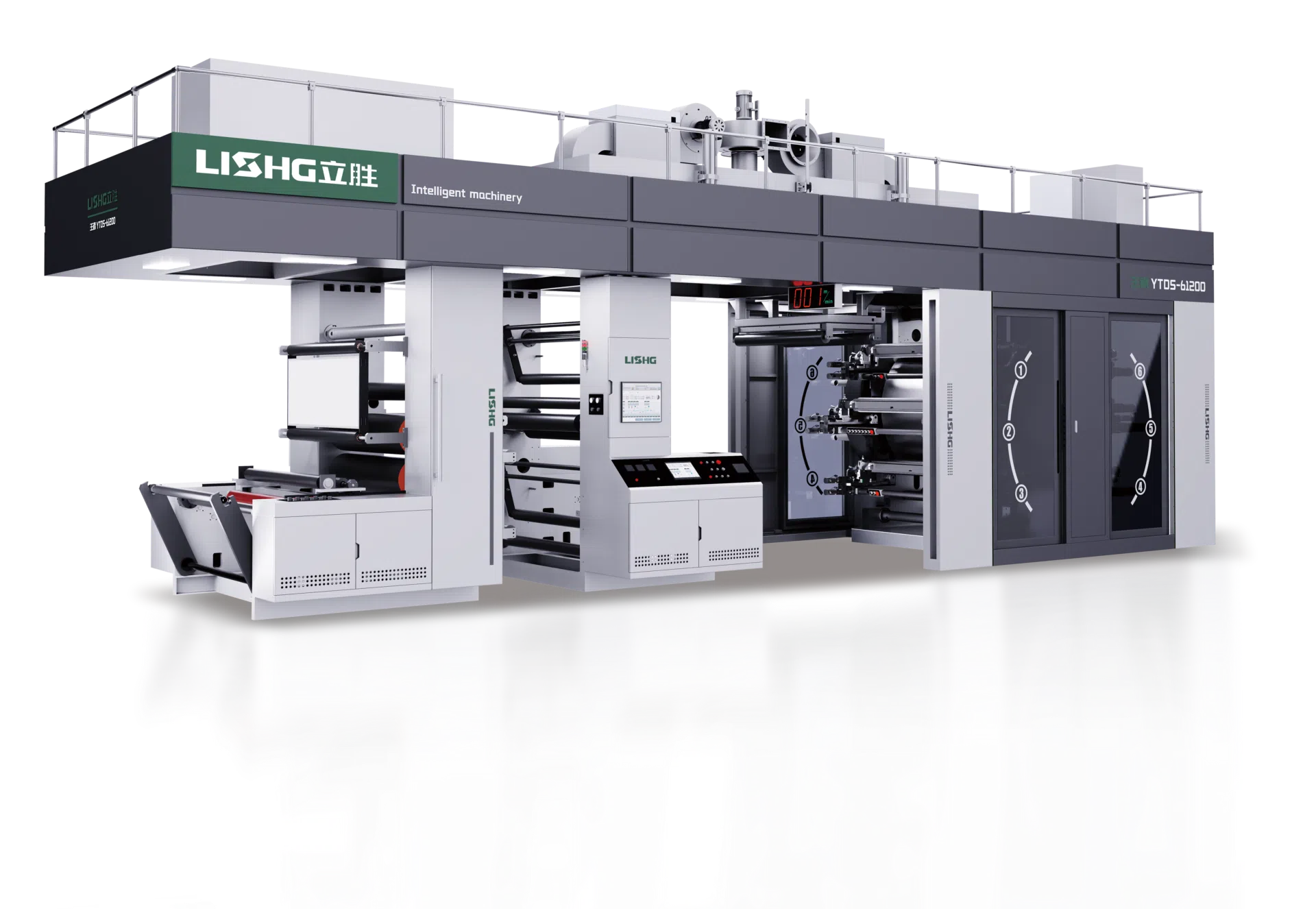
PRODUCTION MATCH
1. CI Flexo vs Stack Flexo Production Comparison
Start with the work the press will actually run. The comparison below is intended as a practical starting point rather than a fixed rule for every factory.
| Production Requirement | CI Flexo | Stack Flexo |
|---|---|---|
| Multi-color printing | Often evaluated where stable web handling and continuous multi-color production are important. | Can be suitable when the Stack configuration matches the required printing process. |
| Double-sided printing | Availability depends on the machine configuration selected for the production requirement. | Can be an important consideration when double-sided production is part of the regular workflow. |
| Continuous production | Often considered for repeat production where stable web handling and consistent operation are priorities. | Can support continuous production when the machine configuration matches the workload. |
| Different job requirements | The CI configuration should be selected around the actual production schedule and job mix. | Stack configurations can be considered where production involves different job arrangements. |
| Higher production demand | A CI platform can be evaluated when its production capabilities match the required workload. | A Stack platform remains relevant when its configuration meets the required production output. |
| Configuration flexibility | The final configuration should be based on the required materials, printing process and production targets. | Configuration options can be useful when production requirements vary between different jobs. |
BUYER'S CORE POINT
Start with the Production Requirement, Then Select the Press Architecture
CI and Stack flexo presses are built around different machine structures. The practical selection process is to identify the materials, printing requirements, job mix and production conditions first, then determine which press architecture and configuration should be evaluated.
ARCHITECTURE EXPLAINED
2. How CI Flexo Presses Work
Central Impression Structure
A CI flexo press uses a central impression cylinder to support the web as it passes through the printing stations.
Controlled Web Handling
The central structure provides a consistent printing path, which is one reason CI architecture is commonly considered for multi-color production.
Multi-Color Production
CI presses are frequently evaluated where several printing units need to work together in a continuous production process.
Configuration Still Matters
The CI structure alone does not determine machine suitability. The final configuration needs to match the material, printing requirements and production plan.
Buyers comparing a CI flexo printing machine should look beyond the basic machine structure. Web width, substrate behavior, printing colors, register requirements and expected production workload all need to be considered before a specific configuration is selected.
3. How Stack Flexo Presses Work
Stacked Printing Units
Stack flexo presses arrange the printing units in a stacked structure, allowing the machine to be configured around specific production requirements.
Double-Sided Production
Stack architecture can be considered when the production process requires printing arrangements on both sides of the material.
Flexible Job Requirements
A Stack press can be evaluated for factories handling different job structures where the machine configuration needs to accommodate varied production requirements.
Configuration-Based Selection
Register performance, production stability and operating requirements should be assessed from the complete machine configuration rather than the Stack structure alone.
DIRECT COMPARISON
4. CI Flexo vs Stack Flexo: Main Differences
The main difference is the way the printing units and web are arranged. For equipment buyers, the more useful comparison is how each architecture fits the actual production process.
| Comparison Factor | CI Flexo | Stack Flexo |
|---|---|---|
| Press structure | Printing units are arranged around a central impression cylinder. | Printing units are arranged in a stacked configuration. |
| Web handling | The central impression structure provides a defined web path through the printing stations. | Web movement depends on the selected Stack configuration and printing arrangement. |
| Multi-color production | Commonly evaluated for continuous multi-color production requirements. | Can support multi-color production when the configuration matches the job requirements. |
| Double-sided printing | Depends on the selected machine configuration. | Can be an important factor when double-sided production is required. |
| Production changes | The machine configuration should reflect the actual production schedule and job mix. | Configuration flexibility can be considered when production requirements vary between jobs. |
| Register requirements | Suitable CI configurations can support demanding multi-color register requirements. | Register performance should be assessed according to the selected machine configuration. |
| Production scale | A CI platform can be evaluated when its production capabilities match the required workload. | A Stack platform can be considered when its configuration matches the required production workload. |
| Investment consideration | The investment should correspond to the production level and functions actually required. | The investment should reflect the required Stack configuration and production workflow. |
5. Which Production Requirements Suit CI Flexo?
CI flexo is commonly evaluated where stable web handling, multi-color printing and continuous production are central requirements. Within the CI category, the machine configuration still needs to be matched to the production workload rather than selected from the machine name alone.
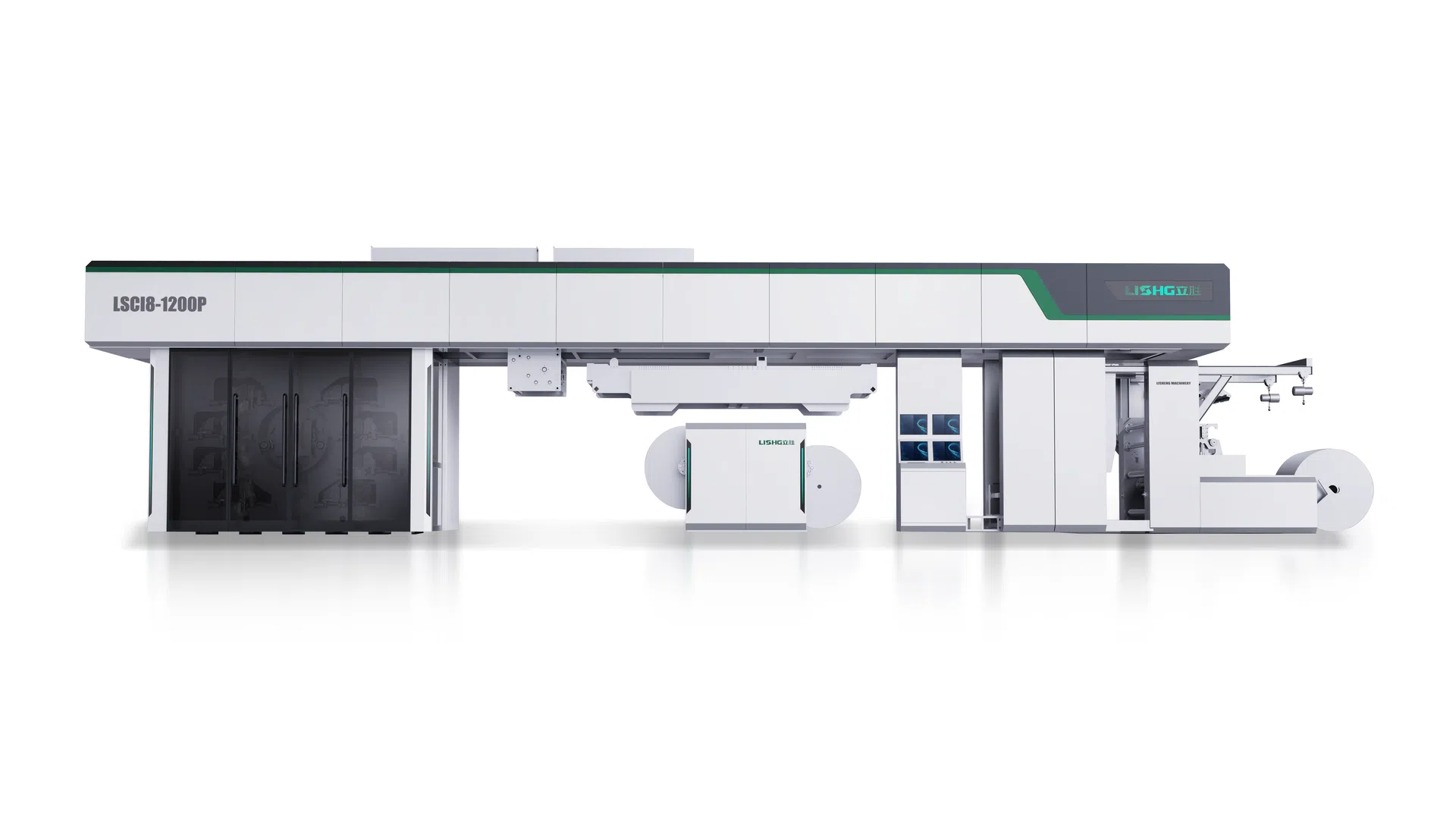
MASTER Full Servo Gearless CI Flexo Press
For production requirements where full servo control, gearless architecture, precision and high-end CI performance are key considerations.
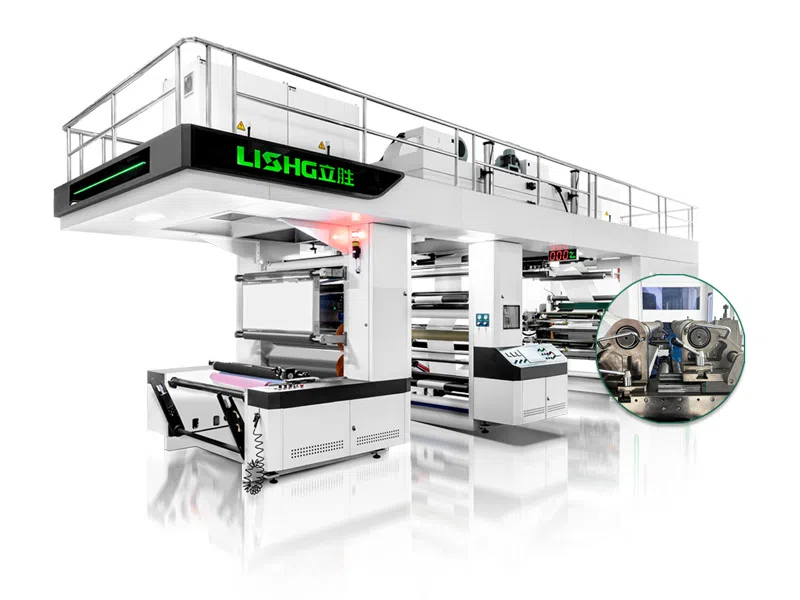
KING CI Flexo Press
For buyers focused on high output and production efficiency while keeping the overall equipment investment in balance.
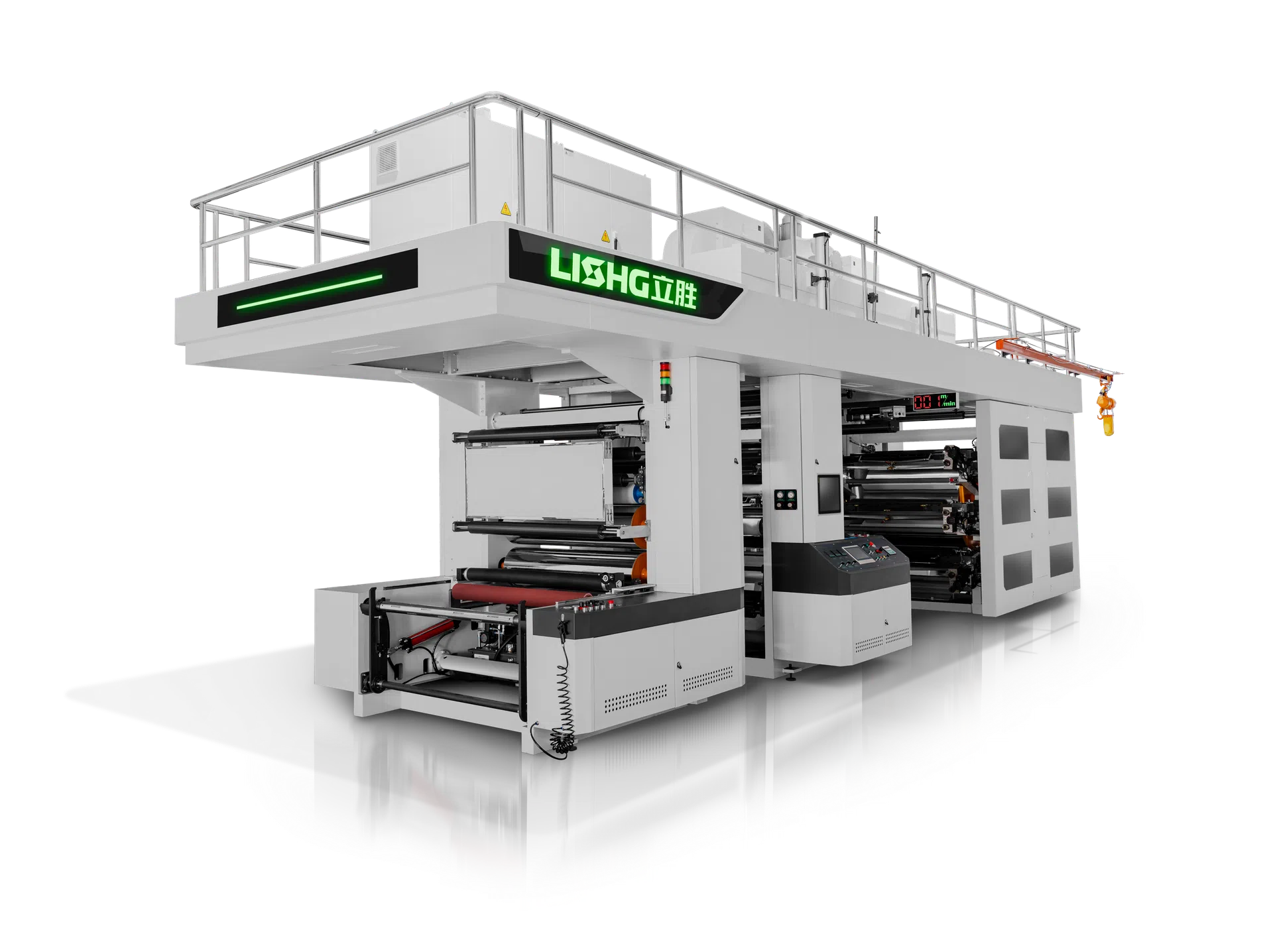
APEX Servo CI Flexo Press
For production requiring a high-performance servo CI platform and a configuration built around the required operating conditions.
ULTRA CI Flexo Press
For buyers considering a mid-speed CI solution with a practical approach to equipment investment.
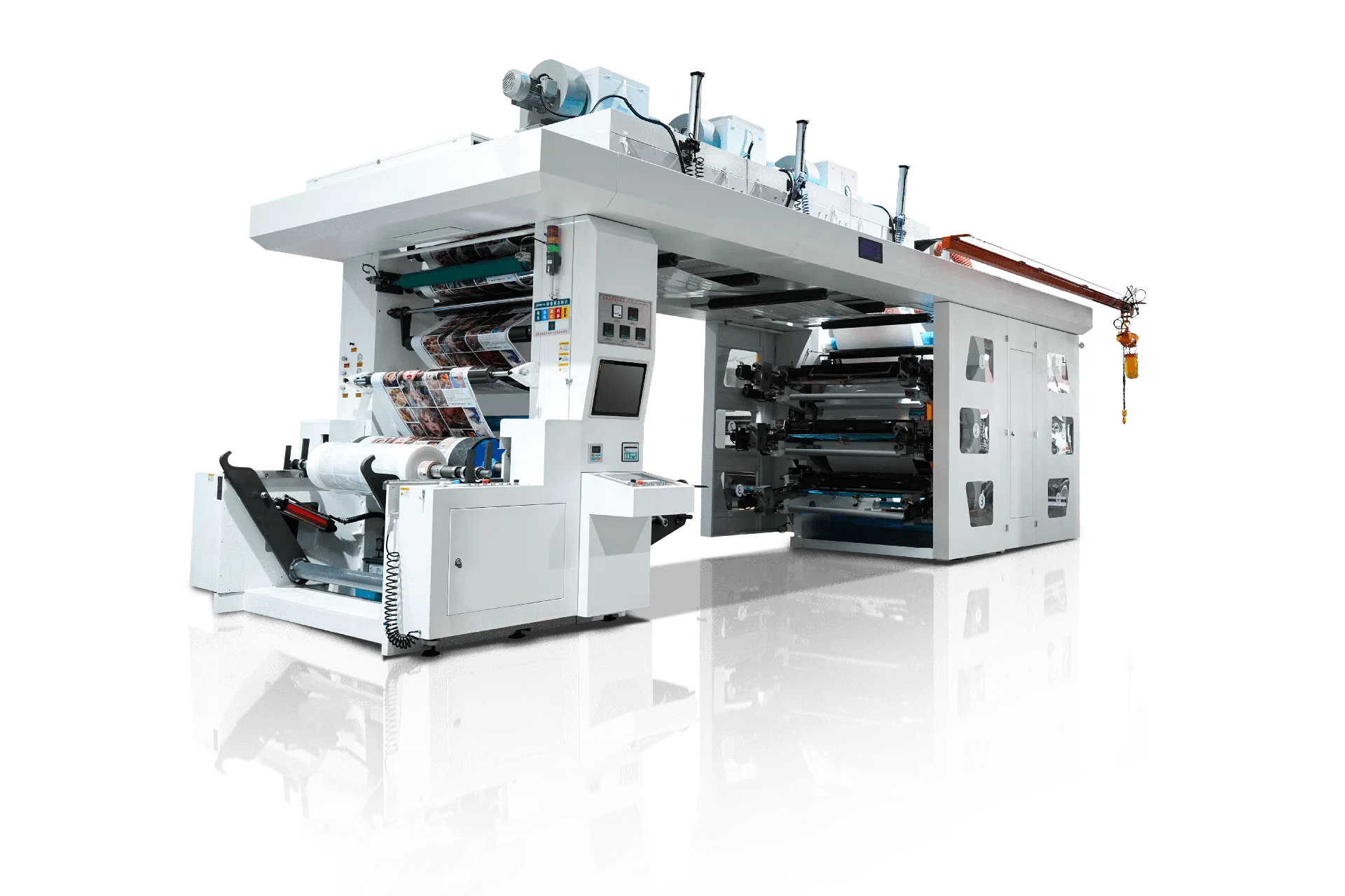
6. Which Production Requirements Suit Stack Flexo?
Stack flexo presses can be useful when the production process requires a stacked printing arrangement, double-sided printing or a configuration suited to different job requirements. The key is to define the actual workflow before selecting the equipment.
HONOR Stack Flexo Press
A practical Stack platform for production requirements where controlled investment, double-sided printing and straightforward operation are important considerations.
HONOR Servo
A servo-based Stack option for production where register control, double-sided printing and production stability are important parts of the requirement.
HONOR Servo Sleeve
A servo and sleeve-based Stack solution for production environments where frequent job changes and a higher number of SKUs affect equipment selection.
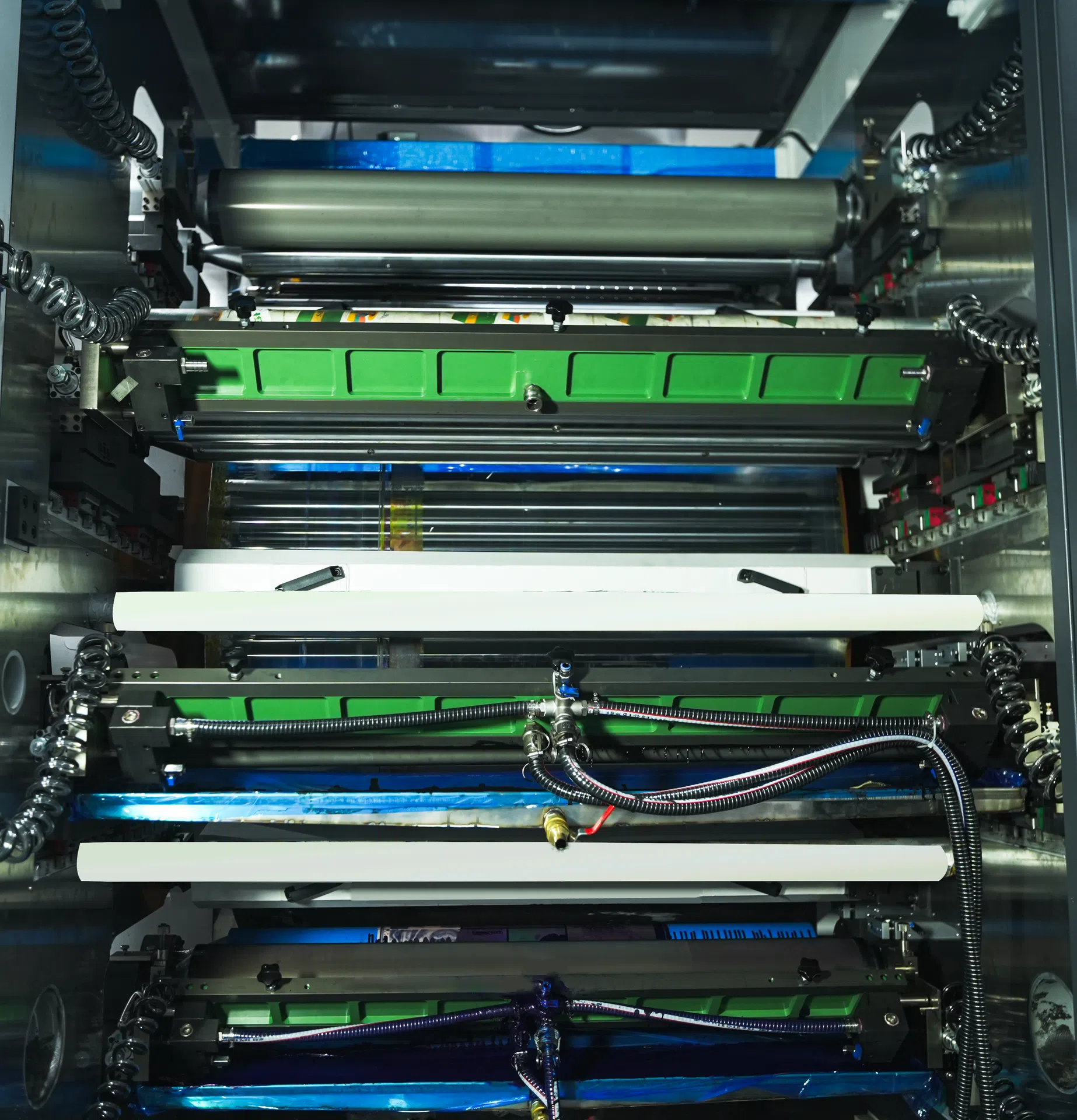
When comparing a Stack flexo printing machine, do not evaluate the press only by the number of printing units or headline specifications. Consider how the machine will be used across normal production jobs, how often the job mix changes and whether the selected configuration supports the required printing process.
PRESS SELECTION TOOL
7. A Practical Way to Narrow Down the Right Press
Instead of starting with a model name, work through the production requirements in sequence. This helps separate essential machine functions from specifications that may have little effect on the actual job.
Define the Material
Confirm the substrate type, web characteristics and required working width before comparing press structures.
Define the Printing Work
Identify the number of colors, printing sides, register expectations and other process requirements that affect machine configuration.
Define the Production Pattern
Look at typical order volume, production frequency, job changes and the mix of repeat and short-run work.
Compare the Architectures
Compare CI and Stack according to the production requirements already identified instead of comparing specifications in isolation.
Confirm the Configuration
Finally, discuss the actual production parameters with the machine supplier and confirm the configuration against the intended workflow.
BUYING PROCESS
8. Five Steps Before You Request a Flexo Press Quote
A useful quotation starts with production information. The more clearly the supplier understands the intended application and workflow, the easier it is to discuss a suitable machine configuration.
STEP 01
List Main Materials
Provide the main substrate types and working widths expected in normal production.
STEP 02
Describe Printing Requirements
Confirm colors, printing sides, register expectations and the general production process.
STEP 03
Share Production Volume
Explain expected production volume, typical order patterns and how often production changes.
STEP 04
Compare Suitable Architectures
Review CI and Stack options based on the actual production requirements rather than a generic machine ranking.
STEP 05
Submit Production Parameters
Use the production data to discuss the appropriate machine structure and configuration with the supplier.
RELATED EQUIPMENT
9. Explore Flexo Press Options by Production Requirement
The following products represent different approaches within CI and Stack flexo printing. They should be evaluated according to the production requirements identified above.
| Production Priority | Product | Selection Consideration |
|---|---|---|
| High-end CI production | MASTER Full Servo Gearless CI Flexo Press | Consider when the production requirement calls for a high-end CI configuration. |
| High output | KING CI Flexo Press | Evaluate against expected production volume and overall investment requirements. |
| Servo CI performance | APEX Servo CI Flexo Press | Consider according to the required production performance and machine configuration. |
| Practical CI investment | ULTRA CI Flexo Press | Evaluate when the required production level aligns with a mid-speed CI solution. |
| Standard Stack production | HONOR Stack Flexo Press | Suitable for evaluation where Stack architecture and the required production process are aligned. |
| Servo Stack production | HONOR Servo Stack Flexo Press | Consider when servo control and double-sided production are important requirements. |
| High-SKU Stack production | HONOR Servo Sleeve Flexo Press | Evaluate where changeover requirements and a high number of SKUs affect production planning. |
BUYER FAQ
10. CI Flexo vs Stack Flexo: Frequently Asked Questions
What is the main difference between CI and Stack flexo presses?
The main difference is the press architecture. A CI press uses a central impression cylinder to support the web through the printing stations, while a Stack press arranges its printing units in a stacked structure.
Is a CI flexo press always better than a Stack press?
No single architecture is suitable for every production environment. The choice should be based on substrate, printing requirements, production pattern, machine configuration and investment priorities.
When should I consider a CI flexo printing machine?
CI is commonly evaluated for production where stable web handling, multi-color printing and continuous operation are important considerations. The final choice still depends on the required configuration.
When should I consider a Stack flexo printing machine?
Stack can be considered when the production process benefits from a stacked arrangement, particularly where double-sided printing or a specific production configuration is required.
Does the number of printing colors determine the press type?
Color count is one factor, but it should not be used alone to select the press architecture. Material, printing sides, register requirements, production volume and job mix also affect the decision.
How should I compare flexo press quotations?
Compare the quotations against the same production requirements. Review working width, printing configuration, substrate requirements, register expectations, production pattern, included functions and the supplier's proposed machine configuration.
Can one press be configured for different production requirements?
Machine configurations can be developed around different production requirements. Because the actual configuration matters, buyers should provide their production parameters before deciding which equipment is suitable.
What information should I provide before requesting a quotation?
Start with substrate type, working width, number of colors, printing sides, typical production volume, job frequency and any specific production requirements. These details provide a better basis for discussing the machine configuration.
FINAL TAKEAWAY
Choose the Press Around the Production, Not the Other Way Around
CI flexo and Stack flexo presses serve different machine architectures and production requirements. CI may be a strong fit where controlled web handling and continuous multi-color production are important. Stack may be more appropriate where the production process calls for a stacked arrangement, double-sided printing or a particular machine configuration.
The most reliable selection process is to define the materials, printing requirements, job mix and production volume first, then compare the available configurations against those requirements.
DISCUSS YOUR PRODUCTION REQUIREMENTS
Need Help Comparing CI and Stack Flexo Options?
Share your substrate, working width, printing colors, printing sides, production volume and other key requirements. The machine configuration can then be discussed around the actual production process.
Connect with our specialists
Get specifications, performance data, or custom configurations.
Contact Desk

