FLEXOGRAPHIC PRINTING MACHINE COMPARISON GUIDE
Flexographic Printing Machine Comparison Guide
Buying a flexographic printing machine is rarely a matter of finding the machine with the longest specification list. In practice, the better comparison starts with the work the press will actually handle: materials, web width, color requirements, order sizes, production frequency, expected output, and the way operators will run the equipment.
This guide looks at the main differences between flexo press structures and configurations, then connects those differences to real purchasing decisions. The aim is to help you build a practical shortlist before requesting and comparing quotations.
What Buyers Should Know
A useful flexographic printing machine comparison should begin with the production process, not the machine name. Press structure, substrate handling, printing requirements, production volume, order frequency, register requirements, usable speed, changeover method, configuration level, and after-sales support all affect the final choice.
QUICK COMPARISON
What Should You Compare Before Choosing a Flexo Press?
01. Start With the Production Process
Before looking at individual machines, write down what the press is expected to produce. Include substrate types, web widths, number of colors, printing requirements, typical order sizes, and the expected production schedule. This gives the manufacturer something concrete to design around.
02. Compare Usable Output
The maximum speed shown on a specification sheet is useful, but it is only one number. Setup, register adjustment, job changes, material behavior, cleaning, and normal production interruptions all affect how much work the press can complete during a real production day.
03. Understand the Press Structure
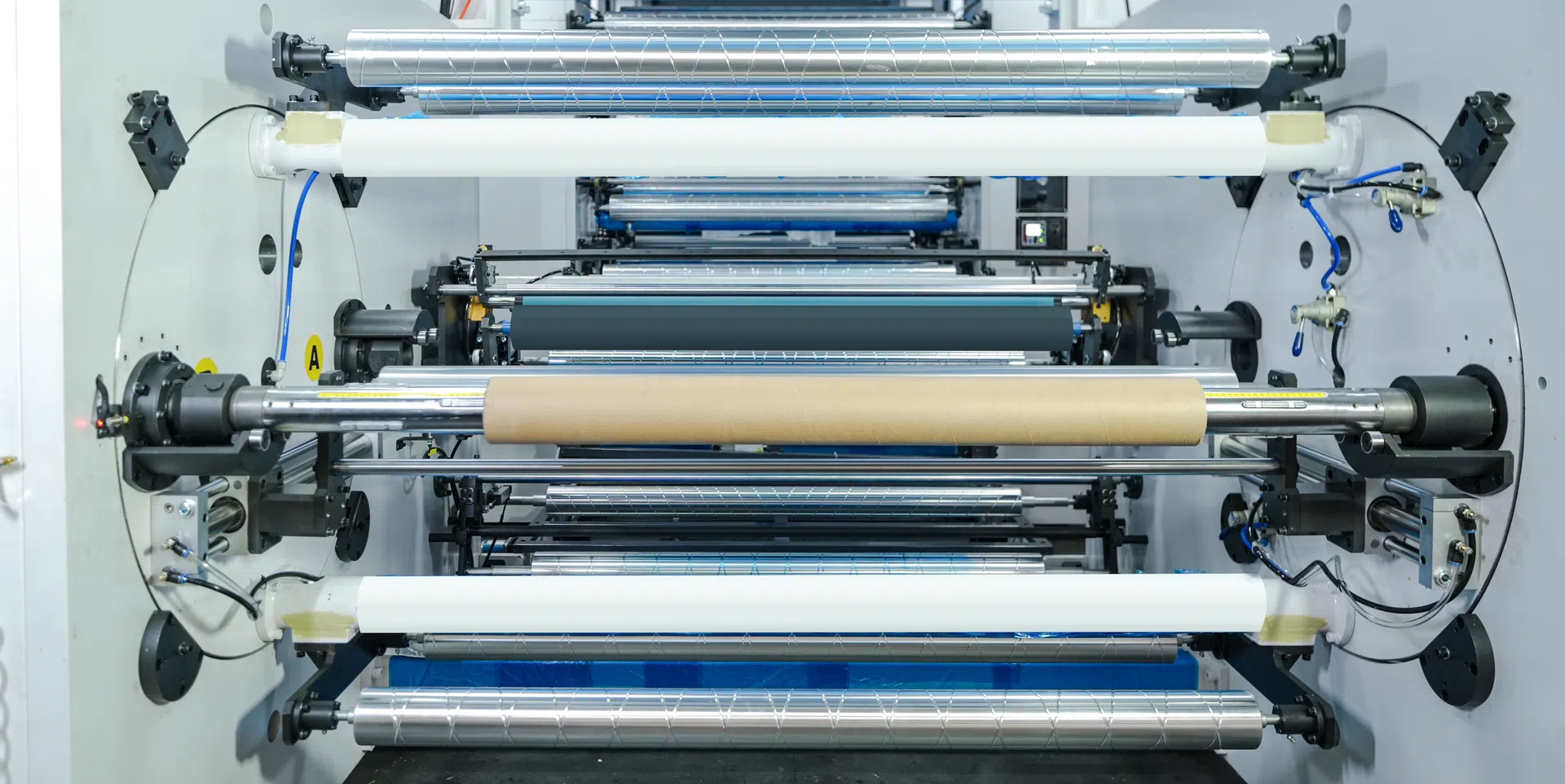
CI and Stack presses use different printing-unit arrangements and therefore handle the web differently. That mechanical difference matters when matching a press to the material, printing process, and factory workflow.
04. Match Configuration to the Factory
Servo control, register systems, sleeve arrangements, and other automation should have a clear reason for being included. A good configuration is not necessarily the one with the most features; it is the one that solves the actual production requirements.
THE BUYERS VIEW
Four Questions That Make a Machine Comparison More Useful
What Will the Press Produce?
The finished product and substrate range influence the press structure and much of its configuration. A machine designed around a defined production range can be specified very differently from one expected to handle a wide variety of work.
How Will the Factory Run It?
A plant producing a few long orders every day does not have the same priorities as one changing jobs throughout the shift. Order frequency, operator workload, setup requirements, and production planning should all be part of the discussion.
Which Features Will Be Used?
Every major configuration should be connected to a practical production need. If a system is included, the buyer should understand what it changes during operation and why that change matters to the factory.
What Will Production Look Like Later?
A press should serve today's workload without unnecessarily restricting future development. Discuss expected changes in production volume, material range, order mix, and operating requirements before the final configuration is fixed.
PRODUCTION SCENARIO COMPARISON
Flexographic Printing Machine Comparison by Production Scenario
There is no single press configuration that makes sense for every factory. The same specification can be valuable in one production environment and unnecessary in another. The table below is a practical starting point for deciding which direction deserves a closer technical discussion.
| Production Situation | What Matters Most | Press Direction to Evaluate |
|---|---|---|
| High-volume flexible packaging production | Stable web handling, consistent multi-color printing, sustained running, and practical production output | CI Flexo |
| Production requiring specific double-side printing arrangements | Press layout, material path, printing arrangement, and workflow compatibility | Stack Flexo |
| Production with many different jobs | Changeover process, register control, operator workflow, and configuration flexibility | Configuration-specific evaluation |
| Finished napkin production | Printing, folding, converting, and finished product output | Integrated napkin production system |
Do Not Compare Flexo Presses by Maximum Speed Alone
This is one of the easiest mistakes to make during equipment purchasing. A high rated speed tells you what the machine is designed to achieve under defined conditions, but it does not tell you how much finished work the factory will get from the press every day. Setup, register adjustment, material preparation, job changes, cleaning, and production interruptions all take time. A more useful comparison is the output the press can realistically deliver on the jobs you actually run.
CORE COMPARISON FACTORS
Four Major Factors When Comparing Flexographic Printing Machines
1. Press Structure
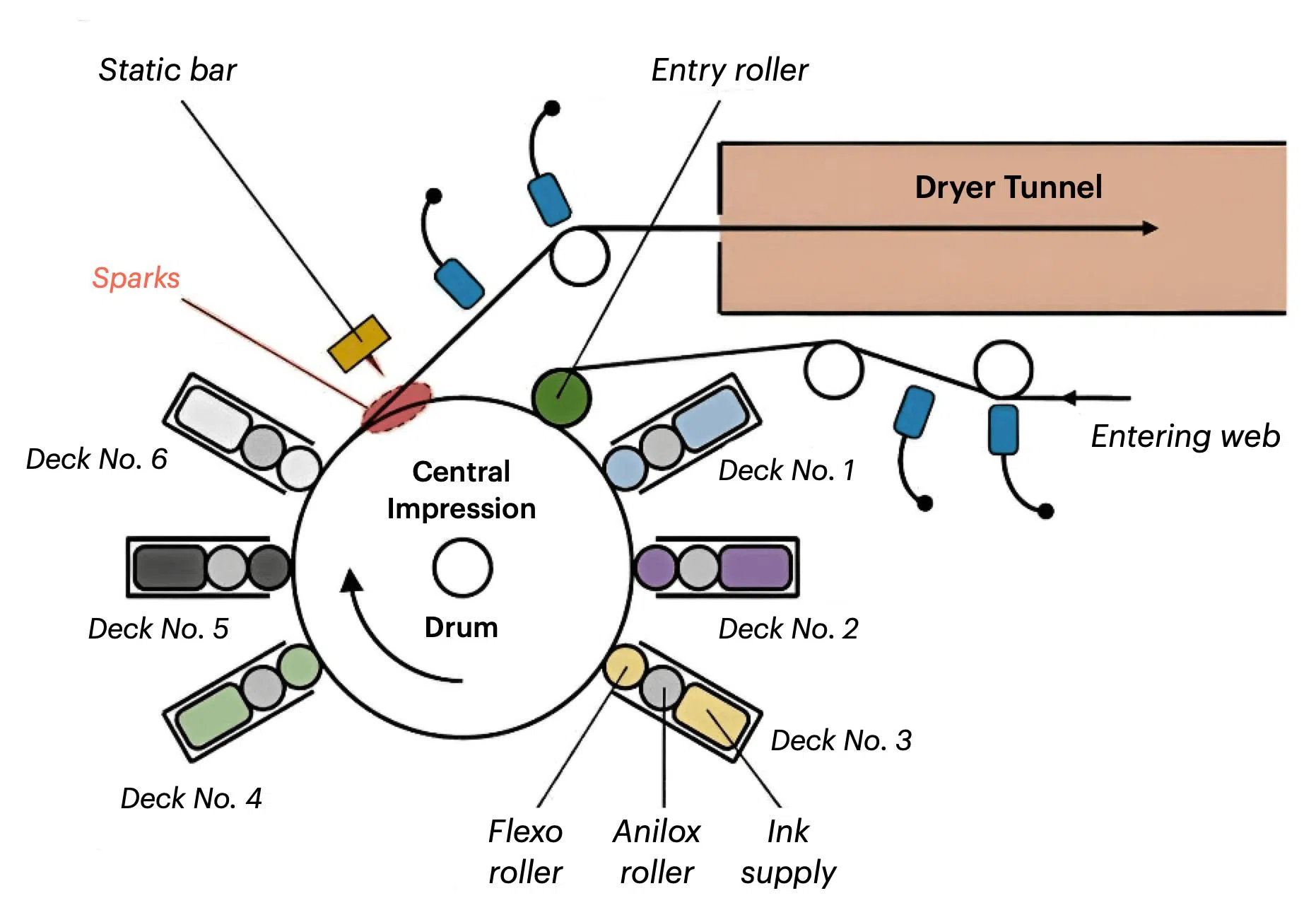
Start with the mechanical structure. CI and Stack presses are built around different printing-unit arrangements, so they create different web paths and operating characteristics. The right structure depends on what the press needs to produce and how the production process is organized.
2. Real Production Capacity
Look at normal running conditions rather than relying on the maximum number in the quotation. Ask about the expected running range for your materials and jobs, as well as the time required for setup, adjustment, and order changes.
3. Configuration Value
Servo systems, register control, sleeve arrangements, and other systems can change how the press behaves and how operators manage it. The important question is what production problem each configuration is intended to address.
4. Long-Term Operation
Look beyond installation. Operator workload, access to maintenance points, production stability, spare parts, engineering support, troubleshooting, and service communication all influence the long-term experience with the equipment.
FLEXO MACHINE TYPES
CI Flexo vs Stack Flexo: What Actually Changes?
The most visible difference between CI and Stack flexo presses is the arrangement of their printing units. That difference is not only mechanical. It also changes the route of the substrate through the printing section and can influence the way different production jobs are handled.
For this reason, CI and Stack presses should not be compared simply by speed or number of printing units. The substrate, printing requirements, web width, production schedule, and desired workflow should be considered together.
| Comparison Point | CI Flexo | Stack Flexo |
|---|---|---|
| Printing structure | Printing units are arranged around a central impression cylinder | Printing units are arranged in a stacked configuration |
| Web handling | The central impression cylinder provides continuous support through the main printing area | The substrate follows a different route through the stacked printing units |
| Typical evaluation focus | Multi-color production, stable web handling, register performance, and sustained output | Flexible printing arrangements, material path, and specific production workflows |
| Investment discussion | Configuration, production capacity, control systems, and the intended workload need to be considered together | The stack structure should be matched carefully to the required printing arrangement and planned workload |
REAL PRODUCTION OUTPUT
Rated Speed and Usable Production Speed Are Not the Same
When comparing flexographic printing machines, it helps to separate three different numbers: the machine's rated capability, the speed normally used for production, and the amount of saleable work completed over a working period. These figures are related, but they are not interchangeable.
Rated Machine Speed
This figure is useful for understanding the mechanical capability of the press under specified conditions. It should not be treated as a guaranteed speed for every substrate and every job.
Normal Running Speed
The speed used during regular production depends on material behavior, print quality requirements, register conditions, machine configuration, and the characteristics of the individual job.
Usable Production Output
Daily output also depends on how much time is available for actual production. Setup, adjustments, order changes, cleaning, inspection, and other normal operating activities all affect the final result.
When reviewing a quotation, ask the manufacturer to explain the conditions behind the quoted speed. It is also useful to discuss representative jobs rather than discussing machine speed only as a single headline number.
BUYER CHECKPOINTS
Common Mistakes When Comparing Flexo Presses
Comparing Maximum Speed Only
A speed figure is easy to compare because it appears clearly on a quotation. The problem is that it says little about setup time, adjustment time, job changes, or the running conditions of the actual work.
Choosing More Features Without a Production Reason
Additional systems can expand machine capability, but they should not be treated as automatically valuable. Before adding a feature, understand what operating problem it solves and how often the factory will use it.
Ignoring Order Structure
Long production runs, frequent job changes, and mixed order sizes place different demands on a press. A machine should reflect the actual order pattern rather than an assumed average workload.
Comparing Quotations Without Comparing Scope
Two quotations may show similar headline specifications while covering different machine configurations, control systems, auxiliary equipment, installation arrangements, training, or customized engineering work.
CONFIGURATION COMPARISON
How Should Buyers Evaluate Servo and Register Configurations?
Configuration decisions are easier when each system is considered in the context of the jobs the press will run. A higher configuration level may be useful when it addresses a demanding production requirement, while a simpler configuration may be entirely appropriate for a more defined workload.
The goal is not to build the most complicated machine possible. The goal is to specify a machine that gives the factory the control, stability, flexibility, and output it actually needs.
Servo Control
Look at how servo control contributes to synchronization, motion control, register performance, and overall machine operation. The value should be considered against the required production accuracy and operating conditions.
Register Control
Register performance should be discussed together with substrate characteristics, printing speed, job requirements, and the control method used by the press. Ask the manufacturer how register control behaves during startup and normal production.
Sleeve Configuration
For factories handling many different jobs, sleeve-based solutions can be considered as part of the changeover strategy. The important point is to understand the actual cylinder change process and how it fits the production schedule.
Automation Level
Automation should be judged by the operator workflow it improves. Instead of counting automated functions, look at where automation can reduce manual adjustment, simplify routine operation, or make production more consistent.
LISHG FLEXO PRESS FAMILY
LISHG Flexo Press Families at a Glance
LISHG's flexographic printing machine range is organized around different production priorities. The purpose of this comparison is not to declare one series universally better than another, but to make it easier to identify which direction fits a particular factory.
All machines can be configured according to the customer's actual production requirements. Final specifications should therefore be confirmed from the substrate range, web width, printing requirements, order structure, production volume, and other project conditions.
| Product Family | Core Positioning | Production Discussion | Product Img |
|---|---|---|---|
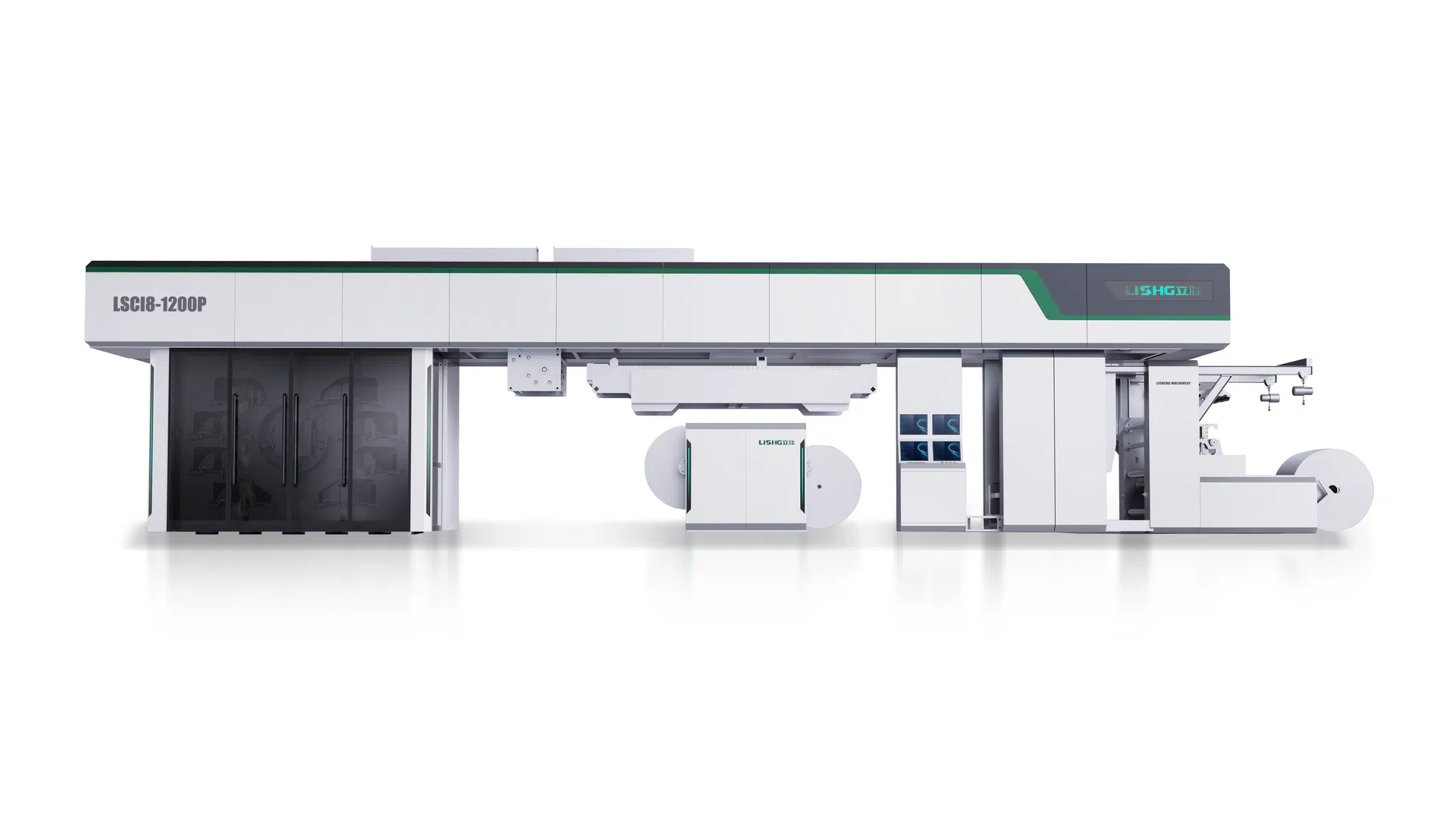
| MASTER Full Servo Gearless CI Flexo Press | Full Servo, Gearless, CI, High-End, Precision, High Speed | A high-end CI direction for manufacturers placing strong emphasis on precision, advanced motion control, and high-speed production. |
|
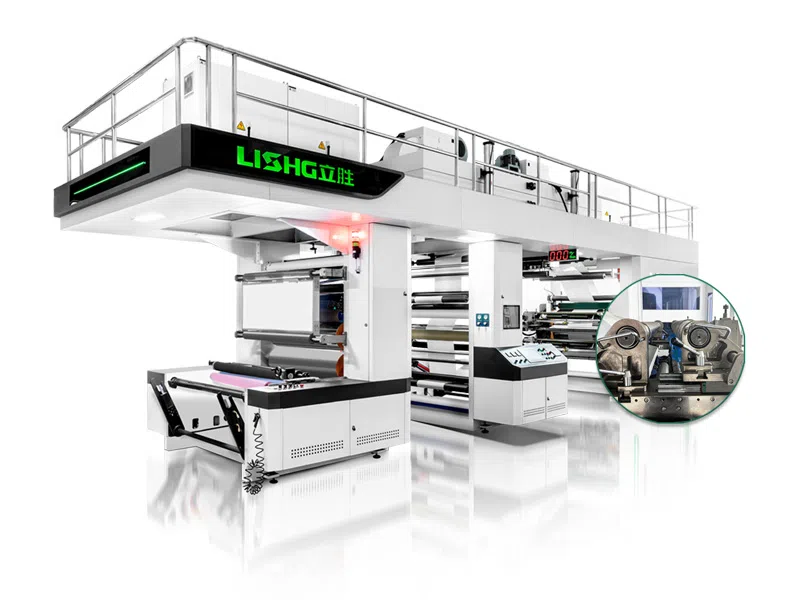
| KING CI Flexo Press | High Output, Production Efficiency, Investment Balance | Designed for manufacturers looking closely at production output and efficiency while keeping the equipment investment aligned with the planned workload. |
|
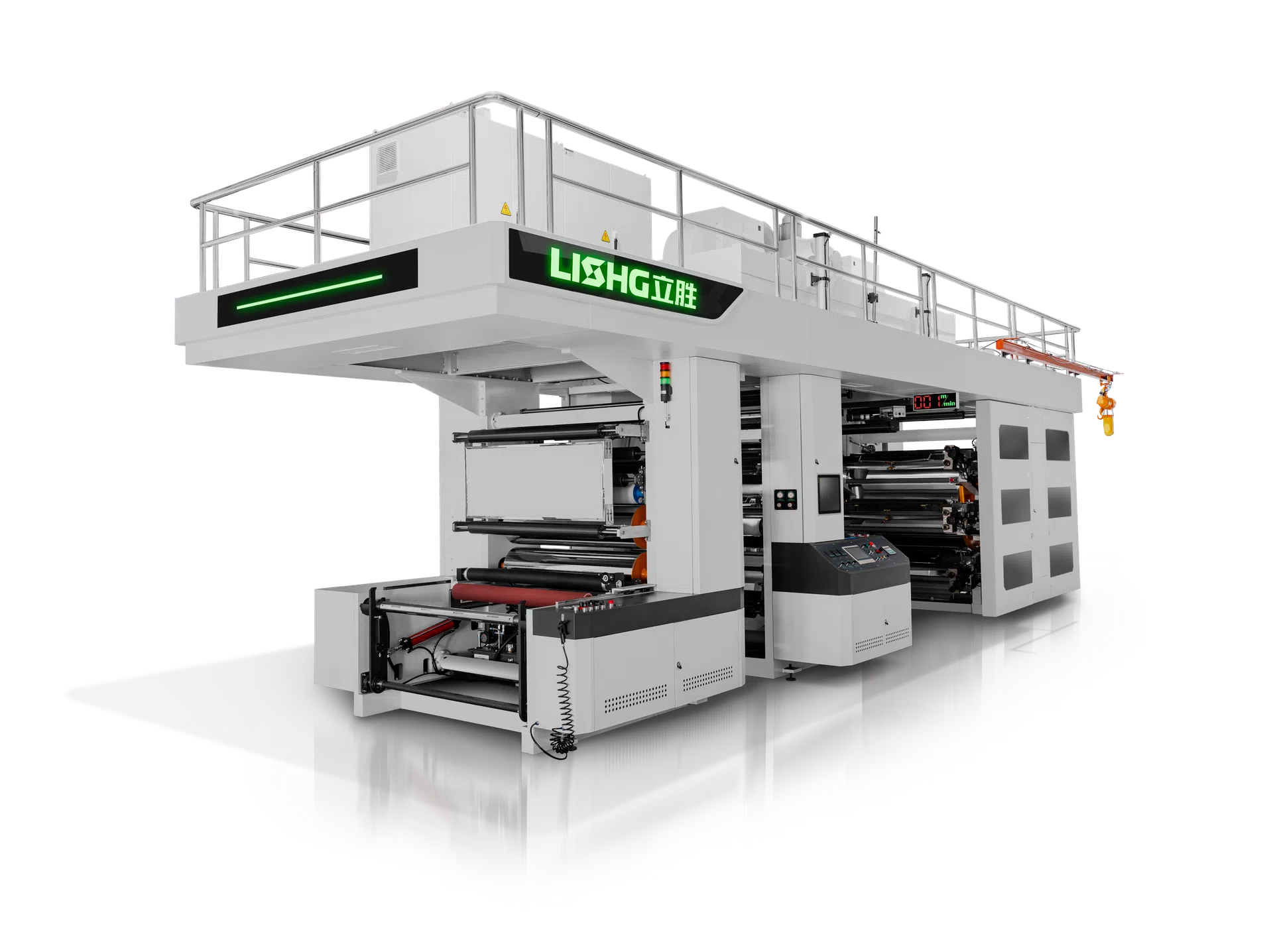
| APEX CI Flexo Press | High-Performance Servo CI | A servo-controlled CI direction for manufacturers whose purchasing discussion centers on machine performance, control, and production stability. |
|
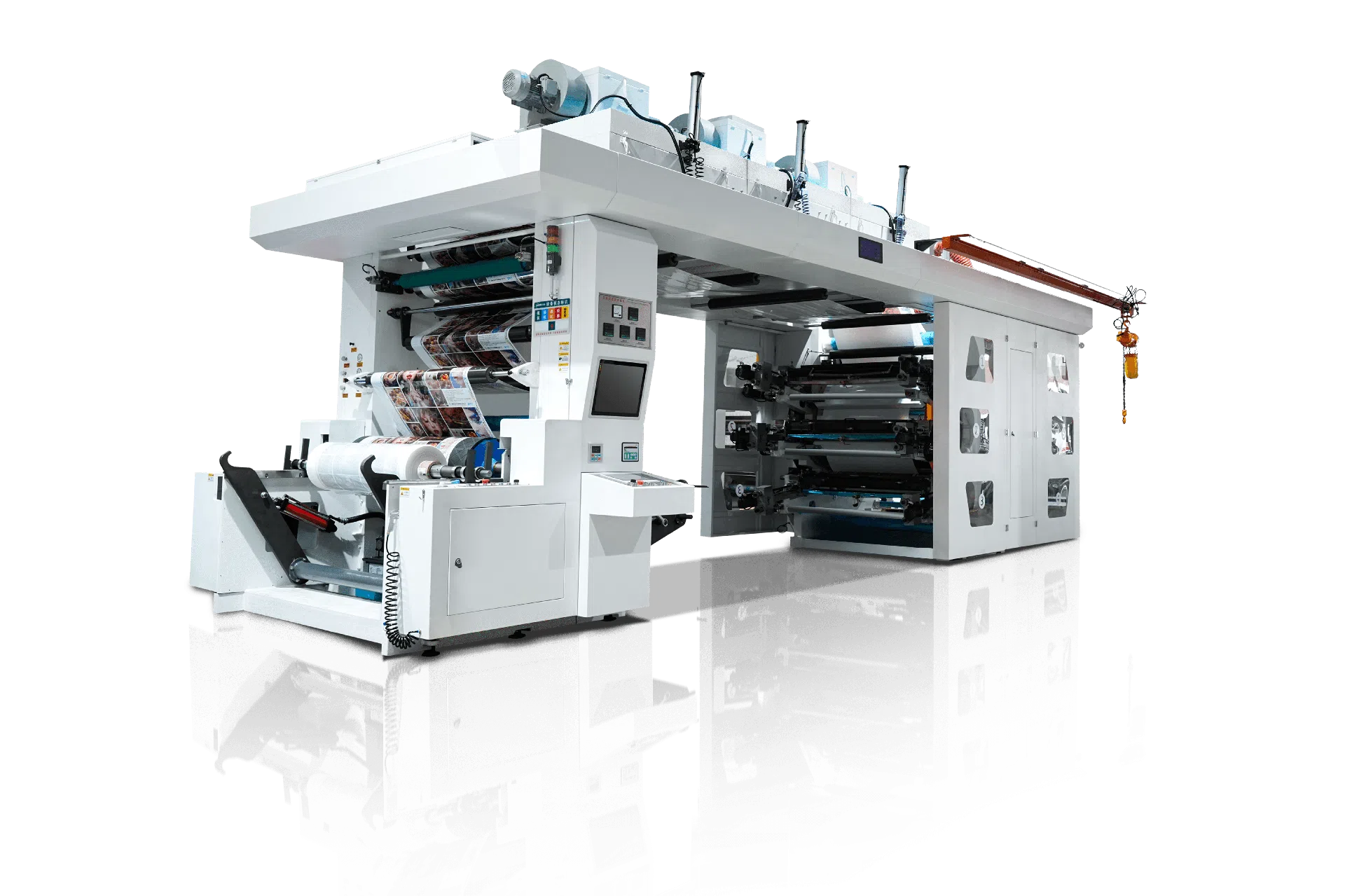
| ULTRA CI Flexo Press | Mid-Speed CI, Practical Investment | A practical CI option for manufacturers that need the CI structure while keeping the configuration and equipment investment aligned with a mid-speed production plan. |
|
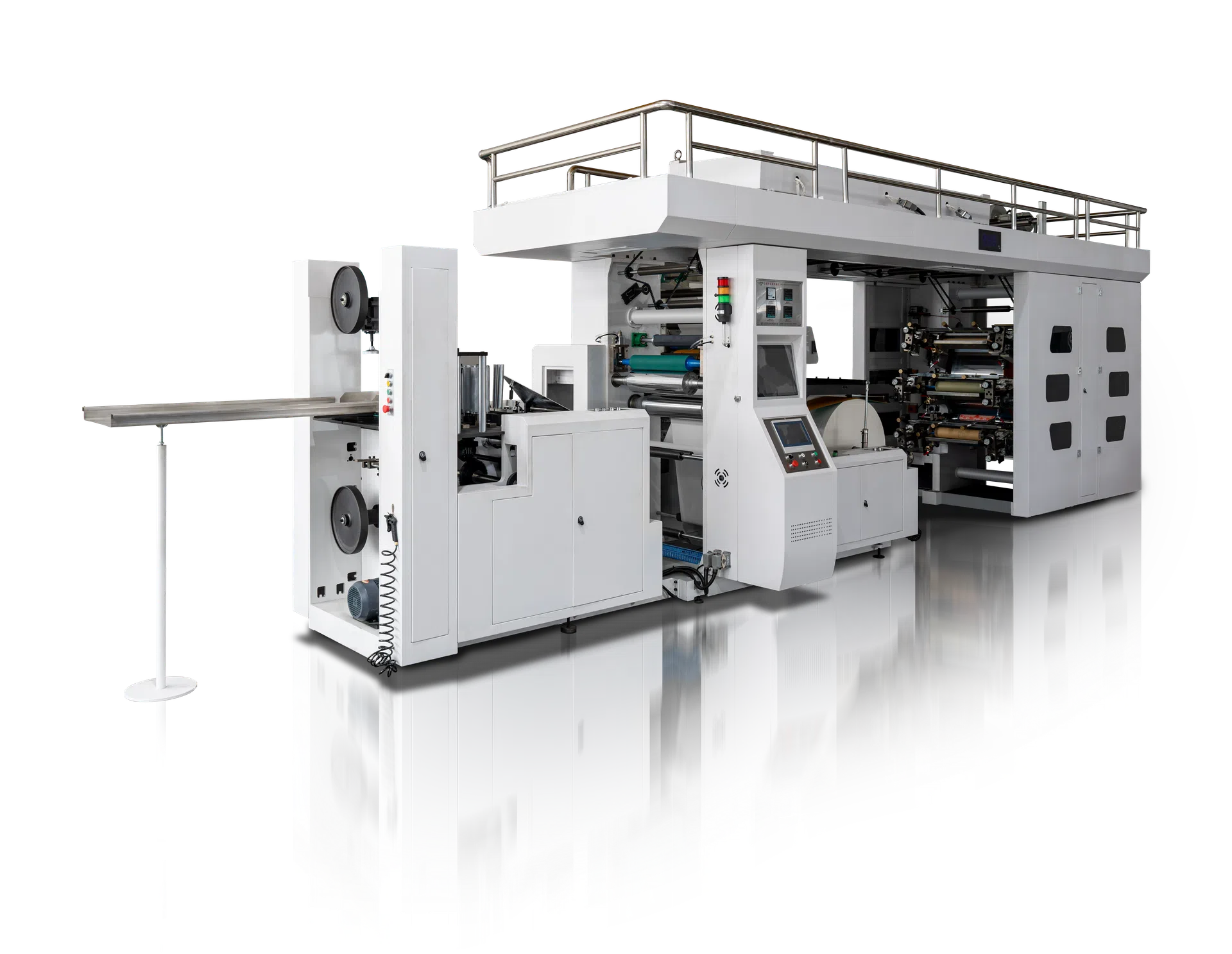
| MIX Printing Production System | Printing, Folding, Converting, Finished Napkin Output | A production system intended for manufacturers evaluating the complete route from printing through folding and converting to finished napkin output. |
|
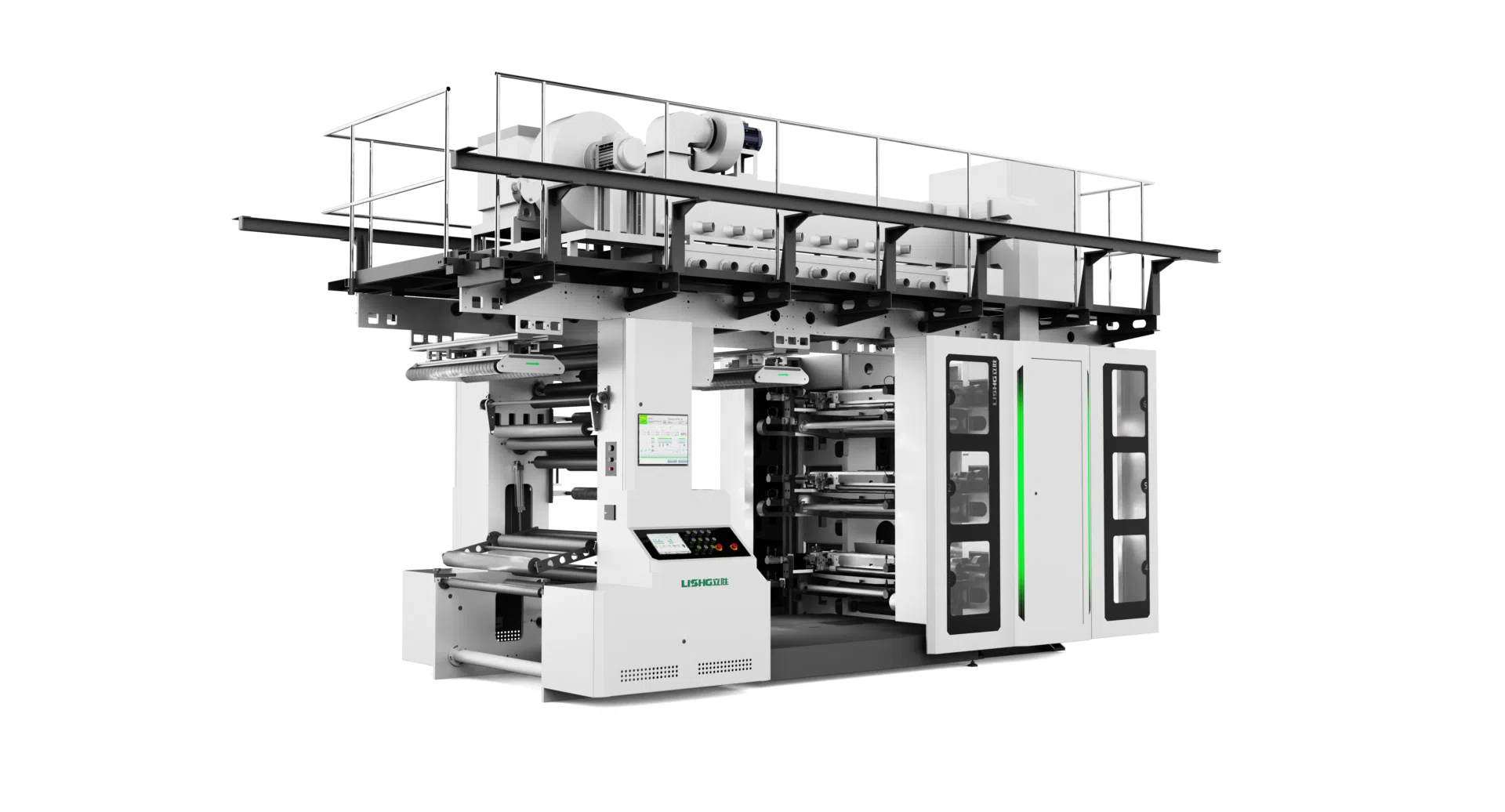
| HONOR Servo Sleeve Flexo Press | Servo, Sleeve, Changeover, High SKU | A direction for factories where many different jobs make changeover efficiency, flexible production management, and sleeve handling important considerations. |
|
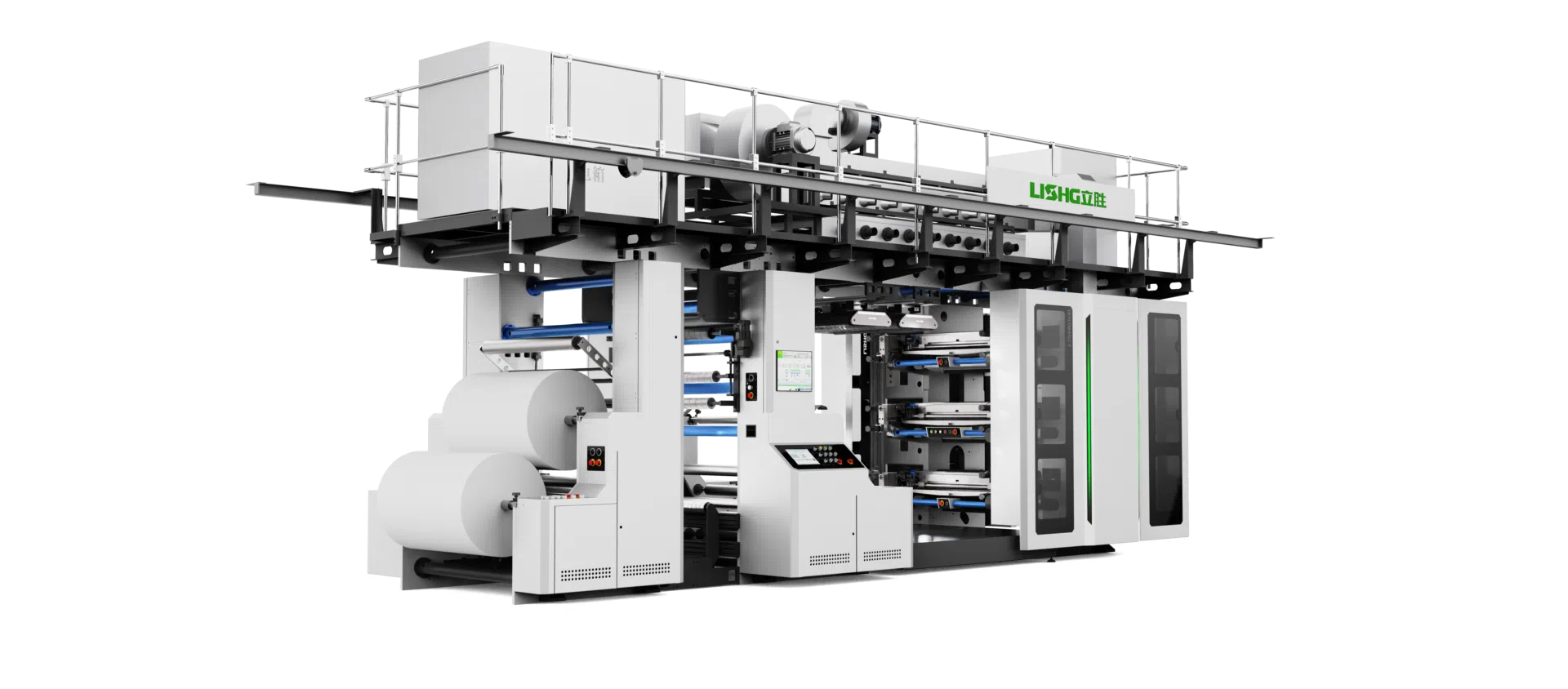
| HONOR Servo Flexo Press | Servo, Register, Double-Sided Printing, Production Stability | For manufacturers evaluating servo control, register performance, double-side printing, and stable day-to-day production. |
|
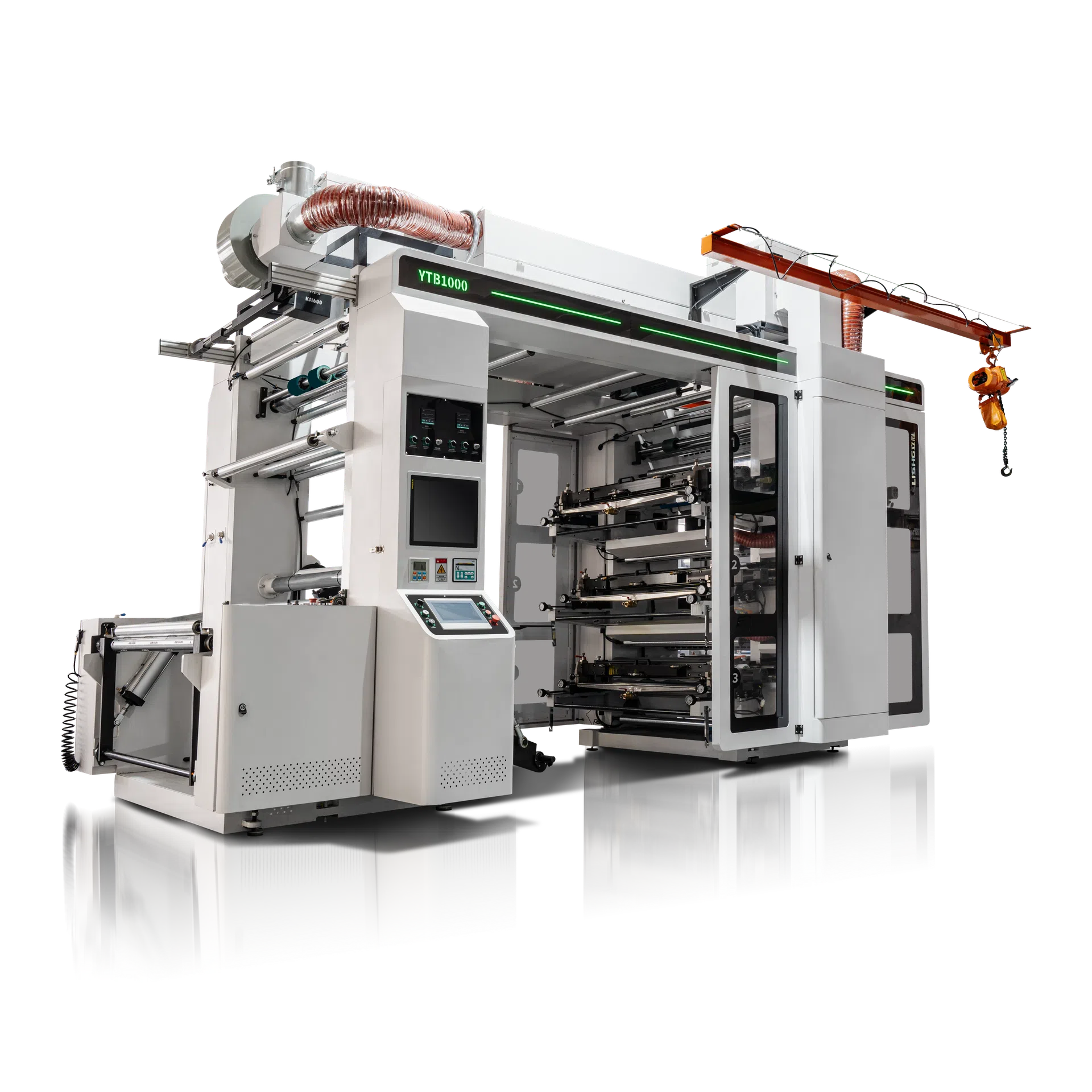
| HONOR Classic Stack Flexo Press | Practical Stack, Double-Sided Printing, Controlled CAPEX | A practical Stack direction for manufacturers that need a suitable double-side printing arrangement while keeping equipment investment under control. |
|
PRODUCTION MATCHING
Which LISHG Press Direction Should You Discuss?
High-Volume CI Production
If the factory needs sustained multi-color production and places strong emphasis on stable running and output, the LISHG CI range provides several configurations for comparison. The right series depends on the required performance level, production volume, and investment plan.
Related direction: LISHG CI Flexo Press Series
Stack Printing Requirements
When the production process calls for a Stack arrangement or a specific double-side printing workflow, the Stack range should be considered together with the actual material path, printing requirements, and expected workload.
Related direction: LISHG Stack Flexo Press Series
Finished Napkin Production
When the objective is finished napkin output, printing performance is only one part of the discussion. The complete workflow needs to be considered, including printing, folding, converting, and the final product format.
Related direction: LISHG MIX Production System
CONFIGURATION DECISION
When Does a Higher-Spec Flexo Press Make Sense?
A higher specification makes sense when the additional capability solves a real production requirement. It may be justified by increasing volume, demanding register requirements, frequent job changes, a need for greater motion control, or a clear development plan for the factory.
At the same time, a lower or more balanced configuration is not necessarily a compromise. If the workload is clearly defined and certain advanced functions will rarely be used, a straightforward machine can be the more practical way to allocate the investment.
Higher Configuration May Be Worth Discussing When
- Production volume is expected to increase.
- Register performance has a significant effect on product quality or waste control.
- Frequent job changes place pressure on the production schedule.
- The factory needs a higher level of motion or process control.
- Future production plans require additional machine capability.
A Balanced Configuration May Be Appropriate When
- Current production volume is clearly defined.
- The main priority is dependable daily operation.
- Some advanced functions would rarely be used.
- Investment needs to remain aligned with the planned production level.
- The factory prefers a straightforward operating structure.
Instead of asking which machine has the highest specification, ask what each major configuration will change in your own production. That question usually leads to a much more useful quotation discussion.
MANUFACTURER EVALUATION
Do Not Compare Machine Quotations Without Comparing the Manufacturer
A flexographic printing machine is a long-term production asset. Once the equipment is installed, the quality of engineering support, spare parts communication, troubleshooting, and technical service becomes just as relevant as the original machine specification.
Engineering Capability
Ask how the manufacturer turns customer production information into a machine configuration. A good technical discussion should connect the proposed machine to actual materials, production volume, web width, printing requirements, and operating conditions.
Configuration Transparency
A quotation should make it clear what is included in the proposed machine, what is customized, and which systems are optional. This makes different quotations much easier to compare on a like-for-like basis.
Installation and Training
Clarify installation responsibilities, commissioning arrangements, operator training, and the technical support available when the machine is first put into production.
After-Sales Support
Maintenance guidance, spare parts availability, technical communication, troubleshooting, and service response should be discussed before the purchase is finalized rather than after a problem occurs.
PRACTICAL BUYING PROCESS
Five Steps to Build a Practical Flexo Press Shortlist
01. Define the Production Profile
Write down the products, substrate range, web widths, color requirements, typical order sizes, job frequency, and expected production schedule. This becomes the basic information used for the machine comparison.
02. Compare Press Structures
Decide whether a CI press, Stack press, or integrated production system matches the actual production workflow. Do this before comparing individual machine models.
03. Review Usable Capacity
Compare expected running speed, job frequency, setup requirements, production stability, and productive output. Do not let the maximum speed become the only capacity measurement.
04. Check Configuration Scope
Review servo systems, register control, sleeve arrangements, automation, auxiliary equipment, and other configuration details one by one. Each item should have a clear role in the production plan.
05. Discuss the Complete Proposal
Ask the manufacturer to explain why the proposed structure and configuration fit the production requirements. Then compare the complete scope, not just the machine price and headline specifications.
BEFORE REQUESTING A QUOTATION
What Information Should Buyers Send to a Flexo Press Manufacturer?
A manufacturer can prepare a much more useful proposal when the production brief is specific. The more clearly the buyer describes the actual work, the less the quotation has to rely on assumptions.
Product Information
- Product type
- Typical print layout
- Number of colors
- Single-side or double-side printing requirements
Material Information
- Substrate types
- Material thickness or weight range
- Typical web width
- Material characteristics that may affect running conditions
Production Information
- Expected production volume
- Typical order sizes
- Number of job changes
- Expected production schedule
Investment Information
- Required machine scope
- Planned production development
- Installation conditions
- Expected delivery and support requirements
RELATED LISHG PRODUCTS
Explore Related Flexographic Printing Machine Series
Once the production profile is clear, the next step is to compare the LISHG series that match the required press structure and production priorities. The links below provide a starting point for reviewing the relevant machine families.
| Product Category | Positioning | Evaluation Direction |
|---|---|---|
| LISHG CI Flexo Press | CI printing structure | Compare web width, production volume, printing requirements, expected running conditions, and configuration scope. |
| LISHG Stack Flexo Press | Stack printing structure | Evaluate material path, double-side printing requirements, job structure, and the overall production workflow. |
| MASTER Full Servo Gearless CI Flexo Press | Advanced full-servo CI configuration | Evaluate precision, motion control, production speed, register requirements, and long-term production plans. |
| HONOR Classic Stack Flexo Press | Practical Stack configuration | Evaluate Stack structure, double-side printing requirements, expected workload, and investment scope. |
FREQUENTLY ASKED QUESTIONS
Flexographic Printing Machine Comparison FAQ
1. What is the main difference between CI and Stack flexo presses?
CI presses arrange the printing units around a central impression cylinder, while Stack presses use a stacked arrangement of printing units. Because the web follows a different path through each structure, the two designs can suit different production requirements.
2. Does a faster flexographic printing machine always produce higher output?
No. Maximum machine speed is only one part of production capacity. Setup time, job changes, register adjustment, material behavior, operating conditions, cleaning, and running stability can all affect the amount of work completed during a production shift.
3. What factors should be compared before buying a flexo press?
Start with press structure, substrate range, web width, color requirements, production volume, order frequency, normal running speed, configuration scope, service support, and future production plans. These factors provide a more useful comparison than machine price or speed alone.
4. Is a full-servo flexo press suitable for every factory?
Not necessarily. Full-servo technology provides a higher level of motion and process control, but the practical value depends on the production requirements. The configuration should be matched to the jobs, operating conditions, and development plans of the factory.
5. How should buyers compare two flexo press quotations?
Compare the complete scope rather than the headline price. Check the press structure, specifications, control systems, auxiliary equipment, installation, training, spare parts, service arrangements, and customized requirements included in each proposal.
6. Why can two flexo presses with similar specifications have different prices?
A specification sheet does not always show the full engineering scope. Drive systems, control components, mechanical design, auxiliary equipment, customization, installation, and service arrangements can all influence the final investment.
7. What should I prepare before contacting a flexo press manufacturer?
Prepare the product type, substrate range, web width, color requirements, expected production volume, typical order sizes, job frequency, and important operating conditions. If representative production samples or drawings are available, they can also help the engineering team understand the application more accurately.
FINAL TAKEAWAY
Compare Flexo Machines by Production Logic, Not by Specification Length
A meaningful flexographic printing machine comparison starts with the production process. CI and Stack presses should be considered according to how their structures fit the material path, printing requirements, and factory workflow.
From there, look at actual production capacity rather than maximum speed alone. The useful figure is not simply how fast the machine can run under a defined condition, but how effectively the press can turn available production time into consistent output.
Configuration should then be reviewed from a practical perspective. Servo systems, register control, sleeve solutions, automation, engineering service, installation, and maintenance support all have a role, but each should be connected to a real production requirement.
Finally, compare the complete proposal and the manufacturer behind it. A flexographic press is expected to work for years, so engineering communication, configuration transparency, spare parts, technical support, and long-term service should be part of the purchasing decision from the beginning.
A strong shortlist is therefore not simply a collection of machines with impressive specifications. It is a comparison of complete production solutions that fit the factory's workload, can be configured around actual requirements, and can be supported after installation.
DISCUSS YOUR PRODUCTION REQUIREMENTS
Need Help Comparing Flexo Press Configurations?
Send us your product information, substrate range, web width, production volume, typical order structure, and expected workflow. Our engineering team can review the requirements and discuss a suitable press structure and configuration for your application.
Discuss Your Production Requirements

