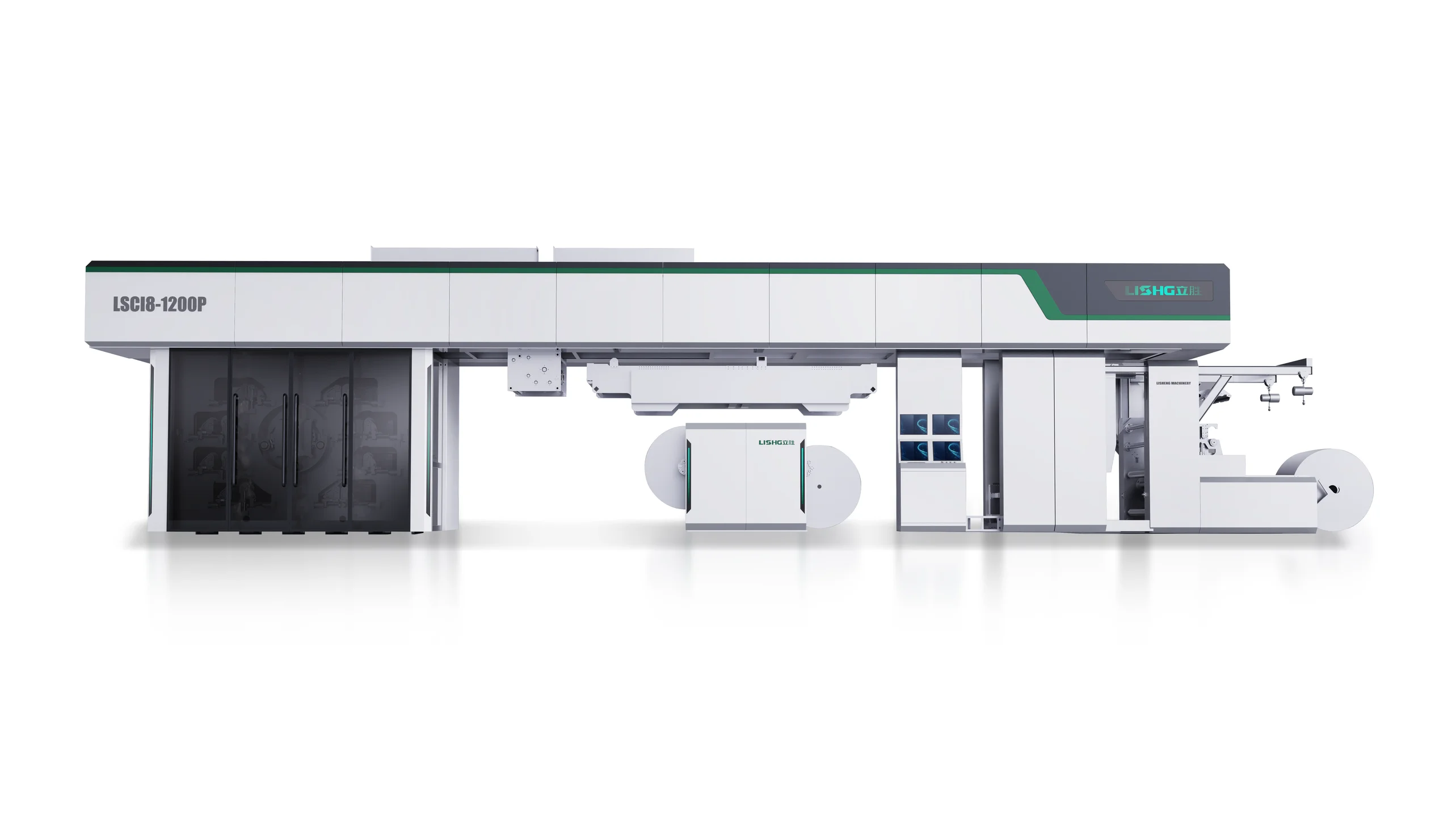
CI FLEXO PRESS BUYER'S GUIDE
Complete Guide to CI Flexo Printing Machine Selection
Most buyers start a CI flexo press search by looking at machine models. That usually leads to the wrong place. Start with your own production instead: the orders you actually run, the substrates you print on, the widths you use most, the colors you need, your monthly volume, and how your plant operates. Those answers shape the press configuration long before any model number matters.
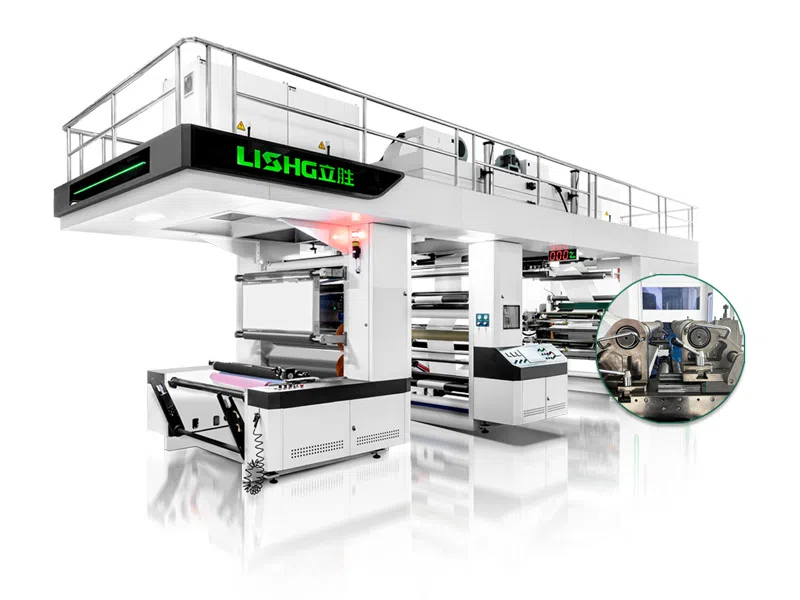
A practical selection process usually comes down to seven questions:
05
What substrates will be printed?
06
What are the minimum, typical, and maximum web widths?
07
How many colors are normally required?
08
What is the monthly production target?
09
How often do jobs change?
10
What running speed is actually required?
11
How much capacity should be reserved for future growth?
Put the production brief first. Work out the capacity you need. Then decide the configuration. Only after that should you start comparing manufacturers.
QUICK ANSWER
What Do You Need to Know Before Requesting a CI Flexo Press Proposal?
Suppliers can give you a far more useful answer when you send production data instead of just asking what a machine costs.
01 / WHAT ARE YOU PRINTING?
Substrate Requirements
Note the substrate type, film structure, thickness range, roll condition, and the minimum, typical and maximum widths you run.
02 / HOW MUCH DO YOU PRODUCE?
Capacity Requirements
Have your monthly or annual output ready, plus working days, shifts, running hours, where the current bottleneck sits, and how much you expect volumes to grow.
03 / WHAT PRINTING CONFIGURATION?
Width and Color Count
Go through real job files. Look at what color counts come up normally and what the maximum is. Do not size the press around one hypothetical job.
04 / HOW WILL THE PRESS OPERATE?
Job Mix and Working Conditions
Think about average job size, how often you change over, your schedule, what your operators can handle, how maintenance fits in, and the workload you expect later.
START WITH THE NUMBERS
The 4 Numbers That Define Your Initial Press Configuration
Before you compare technical proposals, boil your requirement down to four measurable areas. These numbers give you a workable starting point for sizing the press.
Web Width
Prepare: minimum / typical / maximum width.
For equipment planning, the width you run most often usually tells you more than the single widest job you have ever taken.
Color Count
Prepare: common and maximum color requirements.
Look at actual artwork and work out how often you really need the maximum color count.
Production Volume
Prepare: monthly or annual output.
Convert your output target into effective machine hours. A rated maximum speed will not tell you much on its own.
Job Structure
Prepare: long runs / short runs / mixed jobs.
A press built for long runs is rarely the most economical answer for a plant that changes jobs all day.
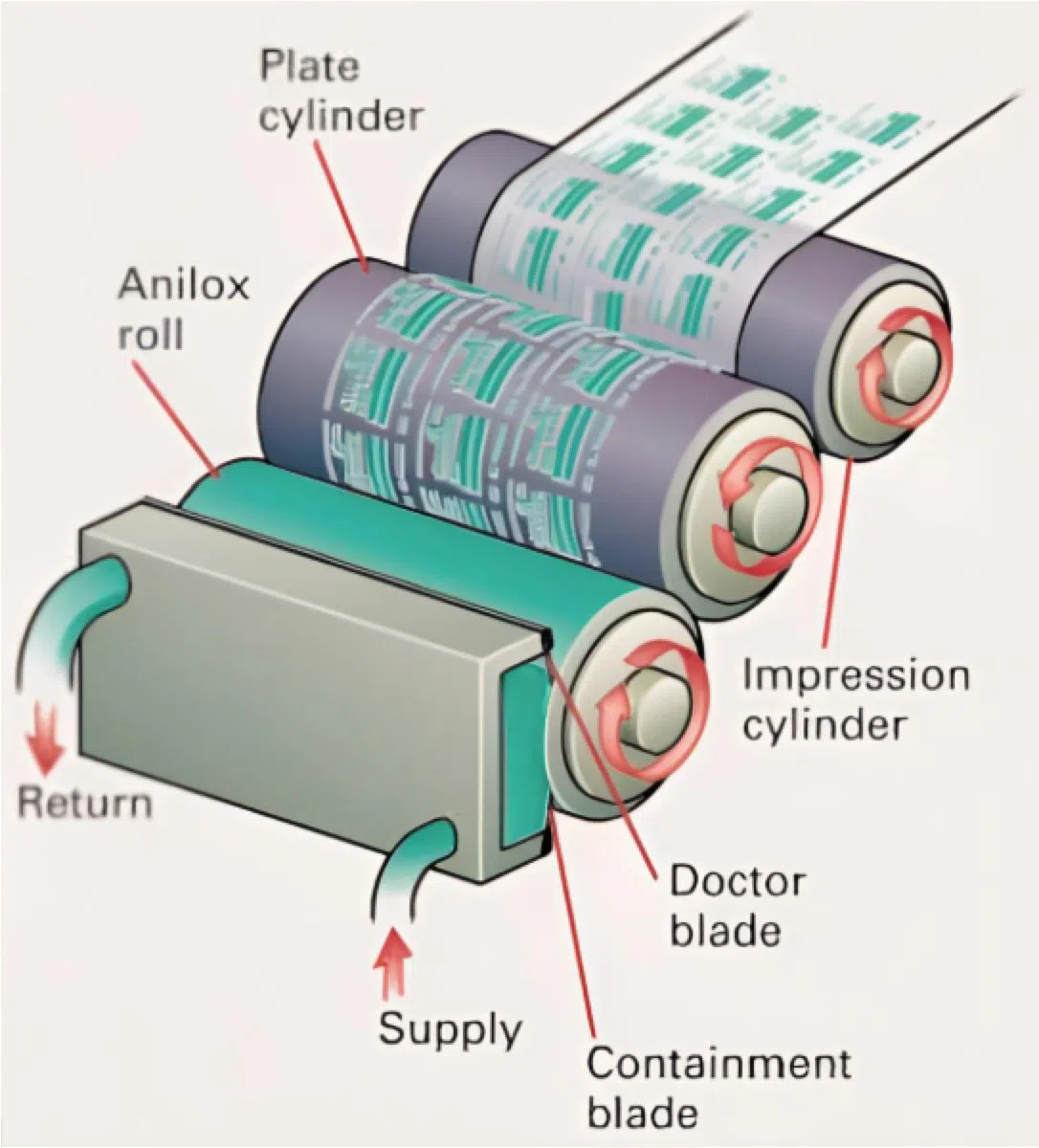
SCENARIO MATCHING
Match the Press Configuration to the Production Scenario
Production Scenario | Main Priority | What the Buyer Should Check | Typical Configuration Direction |
|---|---|---|---|
Long production runs | Steady, repeatable output | Realistic running speed, how well the web is used, process stability | Size for capacity and continuous running |
Frequent job changes | Fast changeovers | Setup steps, job mix, how operators work | Do not buy capacity you will seldom use |
Multiple web widths | Width utilization | Minimum, typical and maximum widths | Size around the work you actually run |
High multi-color demand | Color and registration | Real color distribution, artwork demands, registration tolerance | Match color count to demand |
Growing production | Room to grow | Expected load, added shifts, likely job growth | Leave sensible headroom without over-specifying |
BUYER'S CORE VIEWPOINT
Do Not Ask for a Machine Before You Define the Production Brief
A quotation only means something when you can line it up against what you actually need to produce. The goal is not the highest specification on the market. It is a configuration that handles today's work, supports the process you need, and still leaves a sensible margin for growth.
FOUR SELECTION FACTORS
Four Practical Factors for CI Flexo Press Selection
These four factors are what link your production requirements to an equipment configuration. Treat them as a set. Picking one specification in isolation rarely works.
FACTOR 01
Web Width: Choose for the Real Job Mix
Web width decides how well the press performs across your order book. A frequent mistake is to buy for the widest job you can imagine, then run mostly narrow material on it. A large part of the working width ends up doing nothing.
Before you ask for a proposal, have four width figures ready:
Minimum production web width
Most frequently used web width
Maximum production web width
Approximate percentage of production within each width range
Minimum Width
Sets the lower limit your job mix actually needs.
Typical Width
Usually the most useful number for judging day-to-day utilisation.
Maximum Width
Sets the upper requirement and leaves room for what comes later.
Buyer action: Do not lead with the widest material you might one day run. Give the width distribution of your real orders, so the recommendation can be checked against actual utilisation.
FACTOR 02
Color Count: Separate Common Jobs from Maximum Jobs
Base the color count on real artwork and real demand. It is a mistake to jump to the largest available configuration because one future job might need it.
Go through recent production records and group the jobs the way your plant sees them — four-color work, six-color work, eight-color work, and whatever else applies. The question is not only "What is the maximum color count?" but also "How often will that maximum actually get used?"
Buyer Question | Why It Matters |
|---|---|
What color count appears most often? | This is the day-to-day requirement. |
What is the highest color count required? | This sets the ceiling. |
What percentage of jobs require the maximum? | Tells you whether the extra capacity pays for itself. |
What print quality and registration expectations apply? | Links color count to the process control you need. |
Buyer action: Work from job data, not from a machine brochure.
FACTOR 03
Production Capacity: Calculate the Required Sustainable Speed
Machine speed is probably the most misunderstood line on any spec sheet. A rated maximum tells you what the press can do under ideal conditions, not what your jobs will run at hour after hour.
Begin with the output you need and the hours you have. Say a converter needs about 3,000,000 meters per month.
Example capacity calculation
22 working days × 2 shifts × 8 hours = 352 scheduled hours/month
Assuming 75% effective utilization: 352 × 75% = 264 effective production hours/month
Required output: 3,000,000 ÷ 264 ≈ 11,364 meters/hour
That figure of 11,364 m/h is not a specification to hand over. It is a starting point for the conversation with the manufacturer about sustainable running speed. Real speed shifts with substrate, print structure, repeat length, color count, setup, process stability, and the way the plant runs.
The better question is therefore: "What sustainable running speed can this proposed configuration achieve for my actual production conditions?"
Rated Speed
Tells you what the machine claims. Not enough for planning.
Sustainable Speed
Far more useful once you define the conditions.
Effective Output
Counts real utilisation instead of assuming full speed all shift.
Buyer action: Work out your effective capacity requirement first, then ask the manufacturer to confirm a sustainable operating range for your job mix.
FACTOR 04
Total Operating Economics: Compare the Whole Production Cost
The equipment price is only one part of the decision. What matters more is how capacity, labour, setup time, consumables, maintenance, energy, downtime, and expected workload fit together.
Do not try to force everything into one number before the proposals arrive. Build a comparison framework instead, so different configurations can be judged on the same footing.
Cost Area | Buyer Should Compare |
|---|---|
Initial investment | What is actually configured and included |
Production efficiency | Sustainable output under your conditions |
Setup and changeover | How much production time job changes consume |
Maintenance | Routine maintenance and how easy service access is |
Downtime risk | Support process, spare parts, troubleshooting and how quickly issues get answered |
Buyer action: Compare quotations against the same production assumptions. Prices on their own tell you very little.
PRESS ARCHITECTURE
CI Flexo vs Stack vs Full Servo Gearless CI
Let the production scenario decide the architecture. No single design is automatically right for every converter.
Evaluation Item | Stack Flexo | CI Flexo | Full Servo Gearless CI |
|---|---|---|---|
Press architecture | Stacked printing units | Central impression configuration | Central impression with full servo and gearless drive architecture |
Typical application logic | Suited to flexible production requirements and job structures | Flexible packaging work that calls for CI printing | High-control CI production where full servo gearless makes sense |
Width requirement | Match the width to your real production range | Match CI width to job mix and output target | Match CI width to higher output and control needs |
Color requirement | Select from actual artwork | Select from production demand | Select from production demand and control objectives |
Production volume | Fits where the configuration matches the requirement | Fits CI-based production | Fits when capacity and control needs justify it |
Control requirement | Judge against production needs | Look at CI process control and registration needs | Look at the full servo gearless control architecture |
Buyer should check | Job mix, width, color count, production target | Substrate, output, speed requirement, configuration | Production target, control requirements, investment level and future capacity |
Product Img | 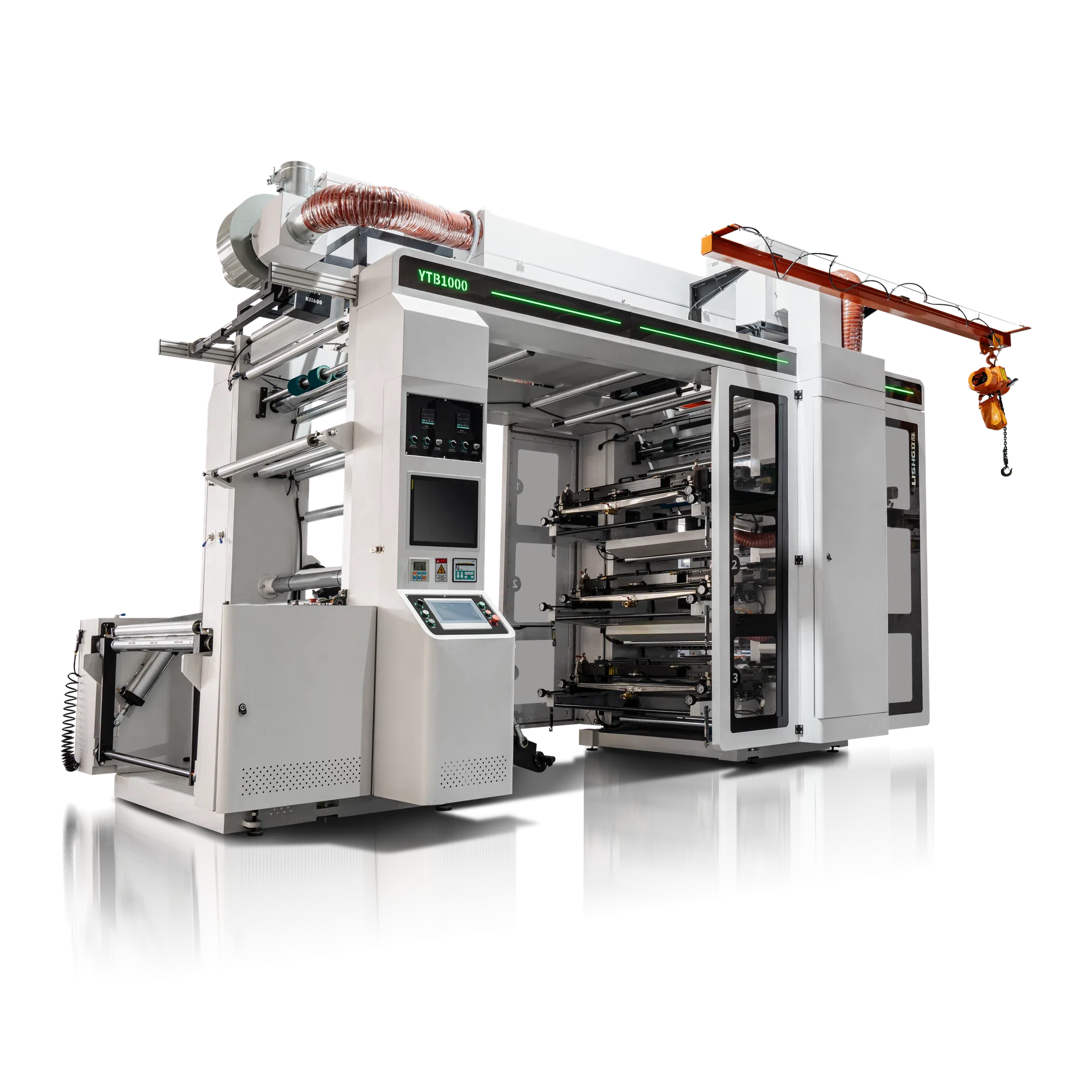 | 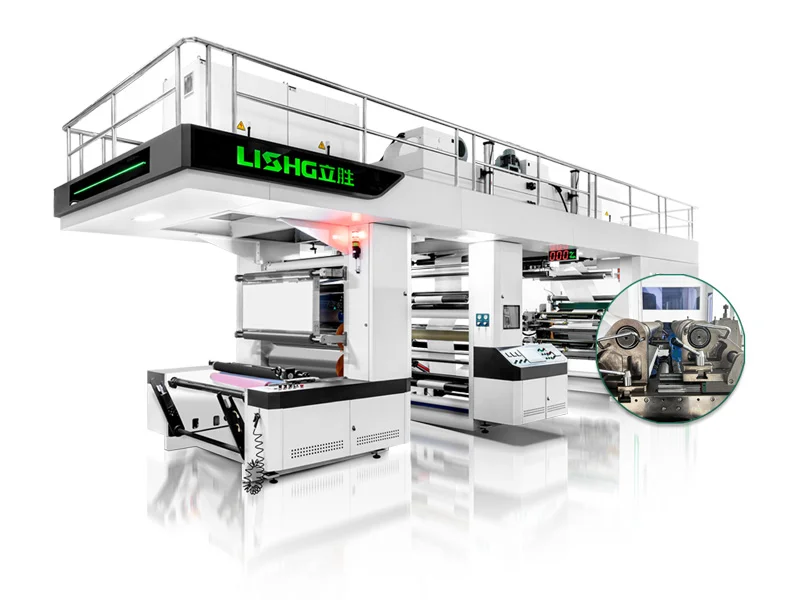 | 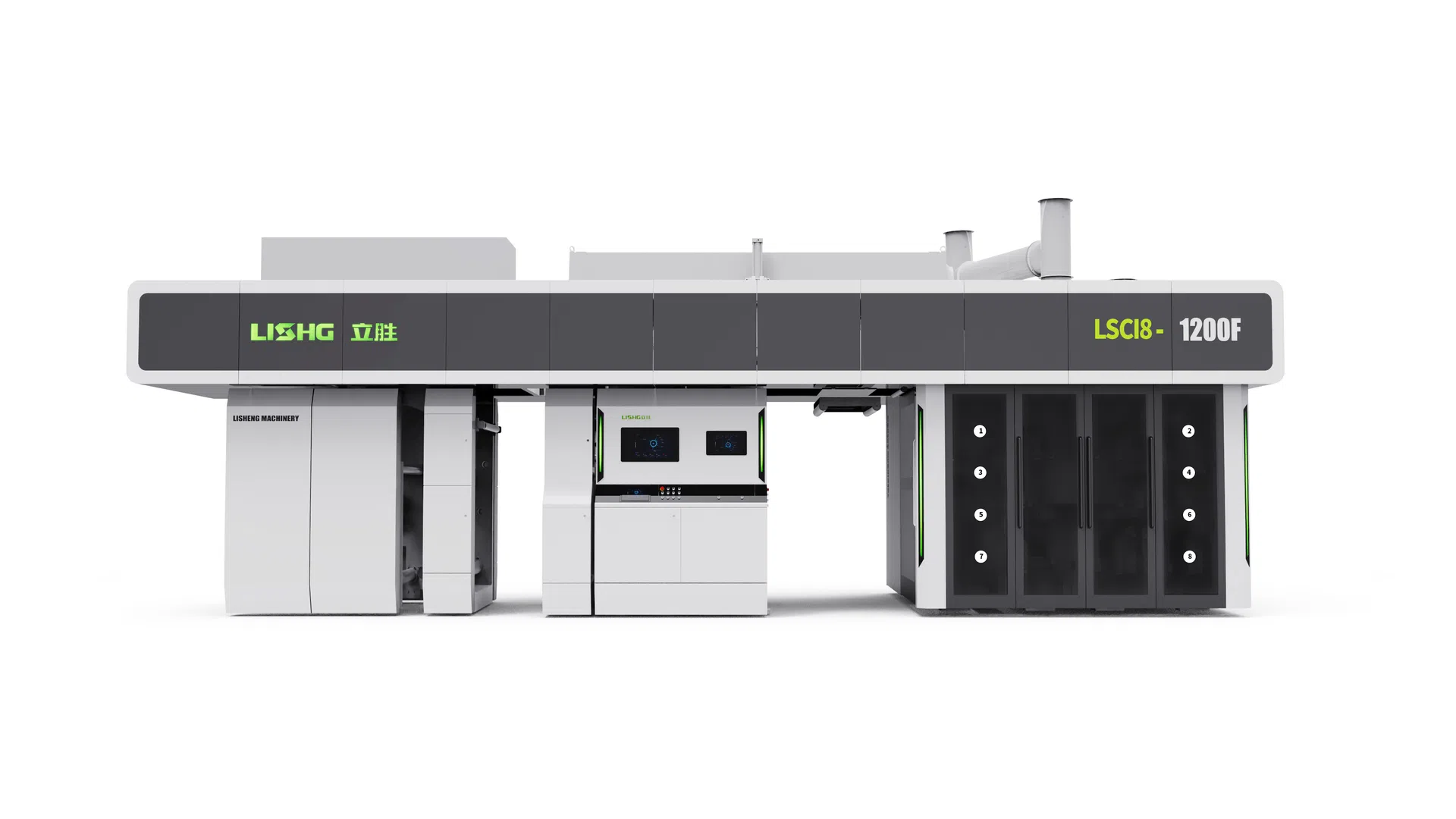 |
How Should Buyers Balance Width, Speed and Color Count?
Specification | Potential Benefit | Trade-Off to Consider | Buyer Decision |
|---|---|---|---|
Wider web | More output per machine hour when the job fits well | Narrow jobs leave part of the width unused | Compare max width against your typical width |
Higher speed | Higher theoretical throughput | Real speed depends on your conditions | Ask for sustainable speed under defined conditions |
More colors | Handles more complex print jobs | More complexity and cost that not every job mix justifies | Check your color distribution before sizing for maximum |
More capacity headroom | Absorbs future growth | Higher purchase and running cost | Reserve headroom against a growth plan you believe in |
CI FLEXO PRESS SELECTION CHECKLIST
Turn Your Production Data Into a Preliminary Configuration
Run through this checklist before you request quotations. It organises your information. It does not replace a technical review.
Input 01: Substrate
Material type, thickness range, roll condition, minimum, typical and maximum width.
Input 02: Production
Monthly output, working days, shifts, available hours, expected growth, current bottleneck.
Input 03: Printing
Normal and maximum color count, print repeat, artwork structure, registration expectations.
Input 04: Job Structure
Average job size, changeover frequency, long-run versus short-run work, operating schedule.
Preliminary Output
Required web width range
Normal and maximum color requirement
Target sustainable running speed
Whether CI press architecture matches the production requirement
Required process-control level
Appropriate capacity headroom
Important: This checklist gives you a stronger starting point. The final configuration still needs confirming through a technical review of your substrates, print samples, production requirements, and the proposed machine.
PROCUREMENT PROCESS
A Five-Step Process for Selecting the Right CI Flexo Press
Use this process internally before you send an RFQ, then again when you compare the proposals that come back.
STEP 01
Collect Production Data
Buyer Action: Record substrates, widths, colors, production volume, job structure, working schedule and current limitations.
Do not open with a question about which model is available.
STEP 02
Calculate Required Capacity
Buyer Action: Convert monthly output into effective machine hours and calculate the approximate production rate required.
Use effective capacity rather than maximum rated speed alone.
STEP 03
Define Machine Configuration
Buyer Action: Establish width range, color requirement, target speed, press architecture and control requirements.
Separate normal requirements from maximum requirements.
STEP 04
Compare Manufacturer Proposals
Buyer Action: Compare proposals using the same substrate, width, speed, output and production assumptions.
Check what is included and what remains subject to confirmation.
STEP 05
Validate the Configuration
Buyer Action: Submit representative production information and confirm whether the proposed configuration matches actual requirements.
Use the final technical discussion to strip out what you do not need and confirm what you do.
What Should You Ask a CI Flexo Press Manufacturer?
What running speed do you recommend for our actual substrate and job mix?
What web width would you recommend based on our minimum, typical and maximum widths?
How should we determine the appropriate color configuration from our current jobs?
What production information do you need before confirming the final configuration?
How should setup and job changes be considered in production-capacity planning?
Which parts of the configuration would you customise for our production?
What routine maintenance requirements should be included in our operating plan?
How should sustainable production capacity be evaluated against the quoted machine speed?
CI Flexo Press RFQ Checklist
Category | Information to Prepare |
|---|---|
Production | Monthly / annual volume, shifts, working hours and expected growth |
Substrate | Material type, thickness, minimum width, typical width and maximum width |
Printing | Color count, print repeat, artwork requirements and registration expectations |
Operations | Average job structure, jobs per day, changeover frequency and current production limitations |
Commercial evaluation | Required delivery scope, installation planning, maintenance expectations and technical support requirements |
The more complete your production brief, the easier it is to compare quotations, because every manufacturer is answering the same set of operating requirements.
RELATED PRESS OPTIONS
Related LISHG Flexo Printing Machine Options
LISHG builds to the production requirement. These product pages are starting points for reviewing the relevant architecture.
Press Option | Architecture | Selection Logic | Buyer Focus |
|---|---|---|---|
Full servo gearless CI | Consider when production requirements justify a full servo gearless CI configuration. | Capacity, control requirements, job mix and investment level | |
CI press with gear-sleeve configuration | Consider for CI production requirements where the configuration matches the buyer's job mix. | Width, colors, production target and configuration requirements | |
Stack flexo | Consider where a stack press architecture fits the production scenario. | Substrate, job structure, width, color count and output requirements |
For a wider view of what is available, look through the LISHG flexographic printing machine range and compare the equipment against your own brief. Spec sheets alone will not get you there.
BUYER FAQ
CI Flexo Printing Machine Selection FAQ
What information should I provide before requesting a CI flexo press proposal?
Send substrate type and thickness, your minimum, typical and maximum web width, normal and maximum color count, print repeat, monthly or annual output, working schedule, job structure, changeover frequency, and expected growth. Samples or representative artwork make the technical discussion far more precise.
Should I select the press width based on my largest web?
Not necessarily. The largest web sets an upper limit, but your typical width and how your work is distributed matter just as much for utilisation. Look at all three together.
How do I calculate the speed required for my production?
Take your monthly output and divide it by effective production hours. Effective hours means your real schedule with a realistic utilisation factor applied. The result gives you a production target to discuss with the manufacturer as a sustainable speed requirement.
Is the maximum machine speed the most important specification?
No. Maximum speed is a reference point, nothing more. Planning should centre on sustainable speed under your own substrate, job structure and print requirements. Effective output tells you more than a peak number on its own.
How many colors should a CI flexo press have?
Use your own production data. Find the most common color count, the maximum you need, and how often the maximum-color jobs actually come up. That keeps one unusual job from driving the whole configuration while still covering the work that matters.
How much capacity headroom should I plan for?
Base headroom on a growth plan you can actually defend, not on a round percentage. Think about expected order growth, extra shifts, new products, and the workload over the years the machine will be in service.
Why is sustainable speed more useful than rated speed?
Rated speed is a claimed capability. Sustainable speed is tied to real conditions. Substrate, print structure, color count, process stability and workflow all pull the practical continuous speed up or down.
What should I compare between two CI flexo press quotations?
Compare configuration, working width, color capacity, expected sustainable speed, control architecture, the production assumptions behind the numbers, what is included, maintenance, support, and running costs. Make sure both suppliers are answering the same brief.
How can I avoid overspecifying the press?
Split your normal requirements from your maximum ones. Check how often the widest web, the highest color count or the top speed will actually be used. Then weigh the extra cost against a benefit you can point to. The highest specification is not automatically the safest buy.
What should be included in a CI flexo press RFQ?
Include volume, substrate details, width range, color requirements, print repeat, job structure, schedule, expected speed, growth plans and any known constraints. A clear RFQ lets a manufacturer recommend a configuration rather than send a generic quotation.
FINAL DECISION
The Right CI Flexo Press Starts With the Right Production Brief
Selecting a CI flexo press gets a lot easier once you stop reading it as a list of specifications and start treating it as part of your production system.
Start with the work you actually run. Write down your substrate range, minimum, typical and maximum widths, normal and maximum color counts, monthly output and working schedule. Then work out the effective capacity needed to get through that load.
From there, settle on the architecture and configuration. Width, color count, speed and control belong in the same conversation. A wider press can produce more, but it will not be efficient on narrow work. A higher rated speed looks good on paper and still does not answer the question of sustainable speed. Extra colors add capability, and you still need to check how often you will use them.
Then compare proposals on identical production assumptions. Look past the purchase price at configuration, production capability, running economics, maintenance, support and future capacity.
A practical selection formula:
Production Data → Capacity Calculation → Press Configuration → Proposal Comparison → Technical Validation
A buyer's guide does not replace an engineering review. Its job is to get you to that review with better information, clearer priorities, and a configuration that can be measured against what you actually produce.
READY FOR A TECHNICAL DISCUSSION?
Start With Your Production Parameters
Skip the machine model and start with your production requirements. Substrate, web width, color count, monthly output, job structure and operating conditions give our technical team a solid basis for working out the right configuration.
What to Prepare
Substrate and thickness
Minimum / typical / maximum web width
Normal / maximum color count
Monthly or annual production target
Working shifts and hours
Job structure and changeover frequency
Expected production growth


