BUYER GUIDE · FLEXOGRAPHIC PRINTING
How Do You Choose the Right Flexographic Printing Machine?
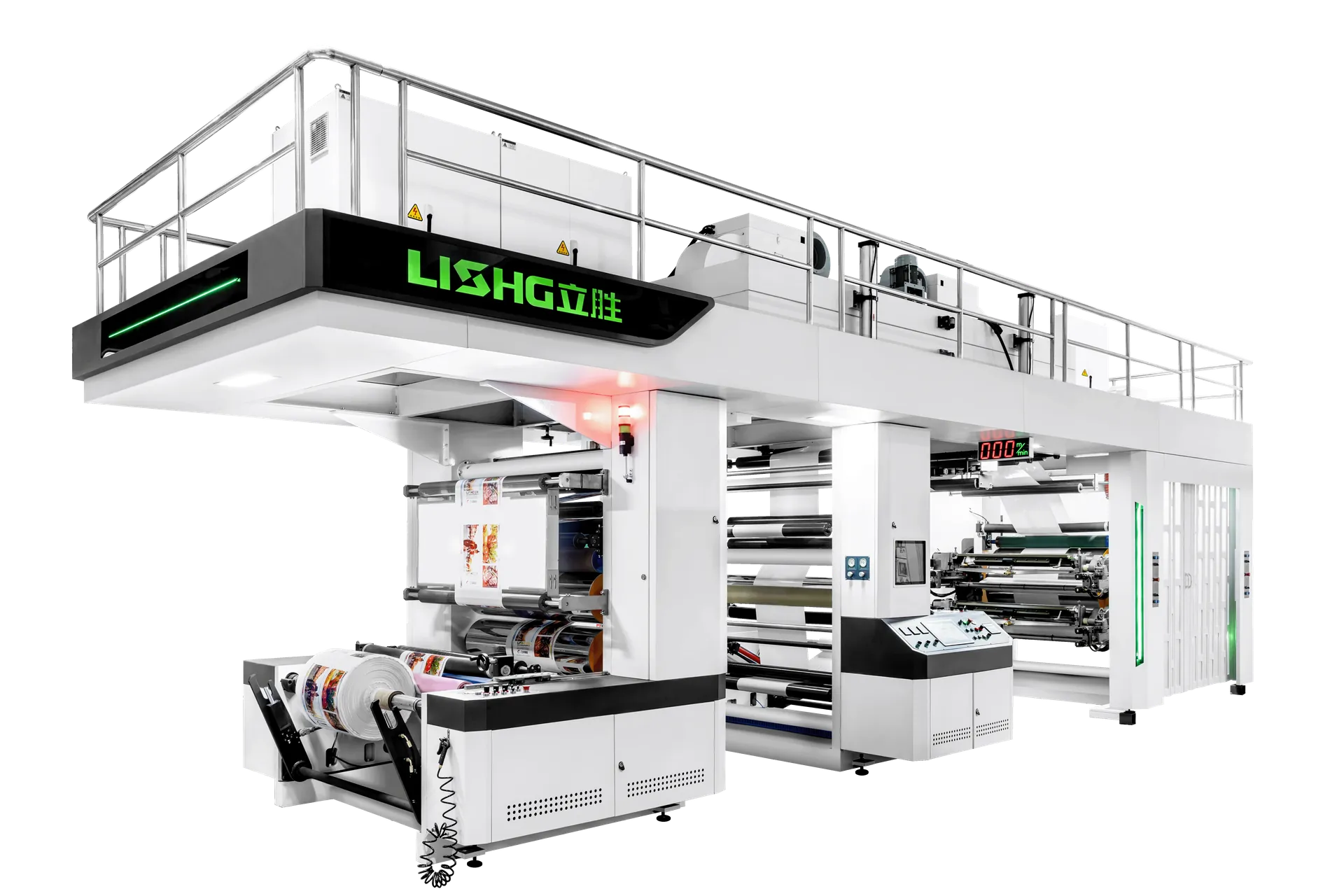
The right flexographic printing machine should be selected from your actual production requirements—not simply from the highest machine speed. Substrate, printing width, color count, usable production speed, press structure, drying and automation determine whether a machine will deliver stable commercial output.
AT A GLANCE
Check These 6 Parameters First
Substrate and material thickness
Printing width and color count
Required usable production speed
CI, gearless or stack structure
Drying and web-tension requirements
Automation and future production growth
SHORT ANSWER
What Should You Look at When Buying a Flexographic Printing Machine?
Start with the production job rather than the machine model. Define the substrate, thickness, printing width, colors, ink system and target usable speed. Then compare CI, gearless CI and stack configurations according to the production environment.
The key distinction is between maximum mechanical speed and actual production speed. A press rated for a higher speed is not automatically the better investment if the substrate, drying system or web tension cannot support that speed. LISHG develops flexographic printing solutions across Gearless CI, CI Flexo and Stack Flexo configurations, with machine specifications and configurations customized according to substrate, production requirements and finished-product applications.
PRODUCTION PARAMETERS
Which Specifications Matter Before You Request a Quote?
BUYING DECISION
What Are the Six Main Factors in Flexo Machine Selection?
01 · SUBSTRATE
Does the Press Match Your Material?
Start with the actual substrate range. Film, paper, nonwoven and woven materials do not behave identically during unwinding, printing and rewinding. Thin films can be more sensitive to tension and web stability, while paper applications require a configuration suited to their stiffness and surface characteristics. Choosing a press without validating the substrate can lead to unstable web handling, lower usable speed and inconsistent print quality.
02 · WIDTH & COLORS
How Wide and How Many Colors Do You Need?
Printing width and color count should come from the actual packaging artwork and finished product. Selecting excessive width or unnecessary printing units can increase investment and operating requirements without creating additional value. LISHG therefore configures printing width and color arrangement around the buyer's actual production requirements rather than forcing every customer into a fixed machine specification.
03 · USABLE SPEED
What Production Speed Can You Actually Sustain?
Do not select a press only by maximum mechanical speed. Actual production speed is affected by substrate stability, ink coverage, drying capacity, tension and register. LISHG provides different machine platforms for different production requirements, allowing the target operating speed to be matched with the press structure, drive system and application rather than treating maximum speed as the only selection criterion.
04 · PRESS STRUCTURE
Should You Choose CI, Gearless CI or Stack?
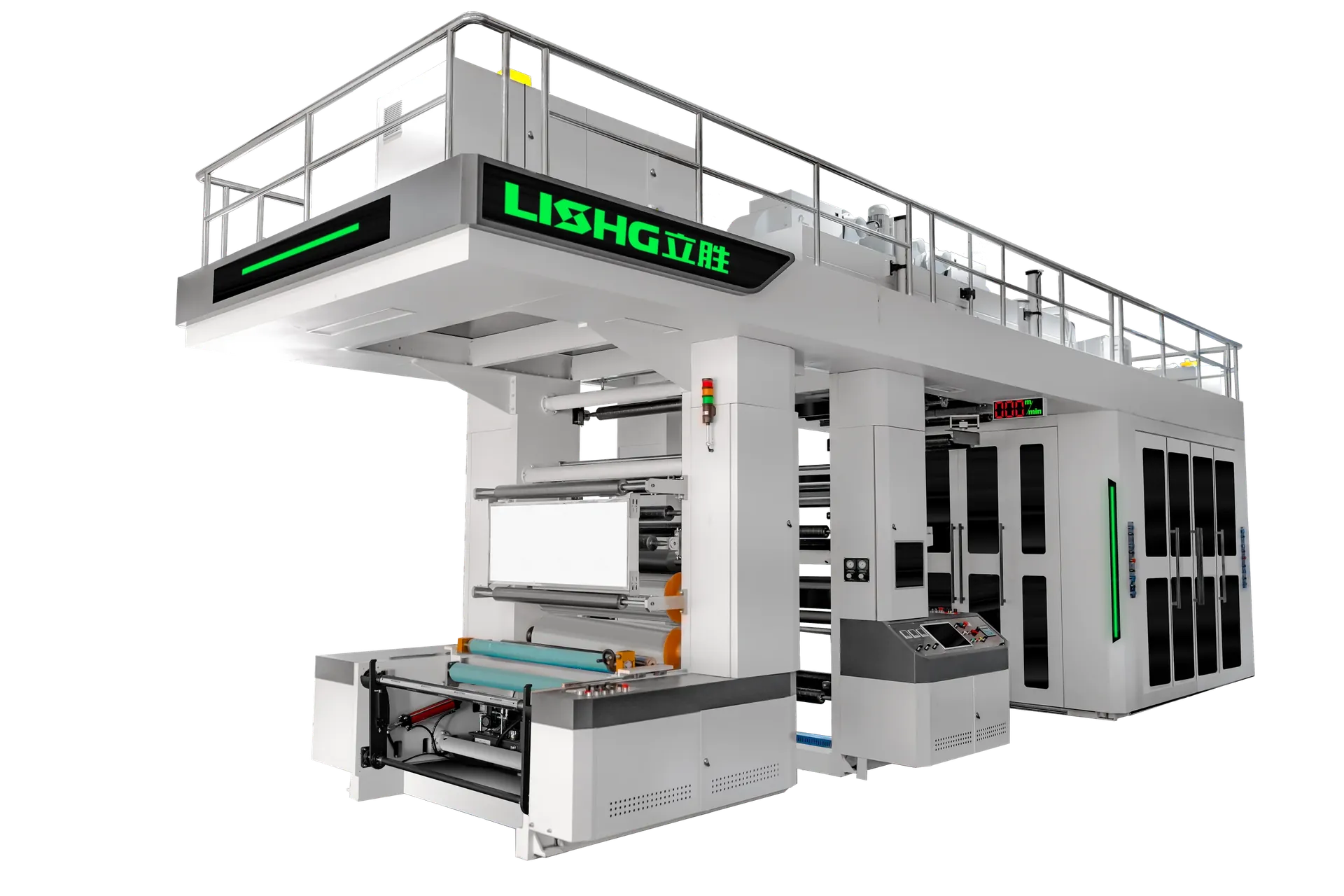
Press architecture must be tailored to your specific applications and production goals. LISHG’s comprehensive product lineup includes Gearless CI, CI Flexo, and Stack‑Flexo configurations. The Master Series serves as our flagship gearless CI platform, while the King Series delivers gear‑sleeve CI solutions. The Apex and Ultra lines cater to diverse CI production demands, and the Honor Series offers stack‑flexo configurations for applications requiring a stack‑style setup.
05 · DRYING & TENSION
Can the Machine Hold Quality at Your Target Speed?
Drying and web tension can become practical limits before the mechanical speed of the press is reached. Higher web speed reduces drying residence time, while unstable tension can cause register drift, wrinkles or film flutter. Selecting the machine therefore requires evaluation of drying, web handling and target production speed as one integrated system.
06 · AUTOMATION
Will Automation Improve Your Actual Production?
Automation should solve a measurable production problem. Automatic register, servo control, sleeve systems, tension control and other functions can reduce setup time and improve repeatability. The right configuration depends on job-change frequency, production mix and quality requirements rather than simply adding every available option.
SPEED MATCHING
How Do You Match Production Speed to the LISHG Machine Series?
Speed should be treated as a production requirement rather than a standalone machine specification. LISHG's different series are positioned for different operating requirements, and the final machine configuration can be customized according to substrate, printing width, colors, ink system, production target and application.
PRODUCTION RISK
What Happens When the Wrong Flexo Machine Is Selected?
A machine-selection mistake normally appears as a production problem rather than a specification problem. Matching the symptom to the machine system helps identify the actual purchasing requirement.
LISHG PRODUCT LADDER
Which LISHG Flexographic Printing Machine Fits Your Production?
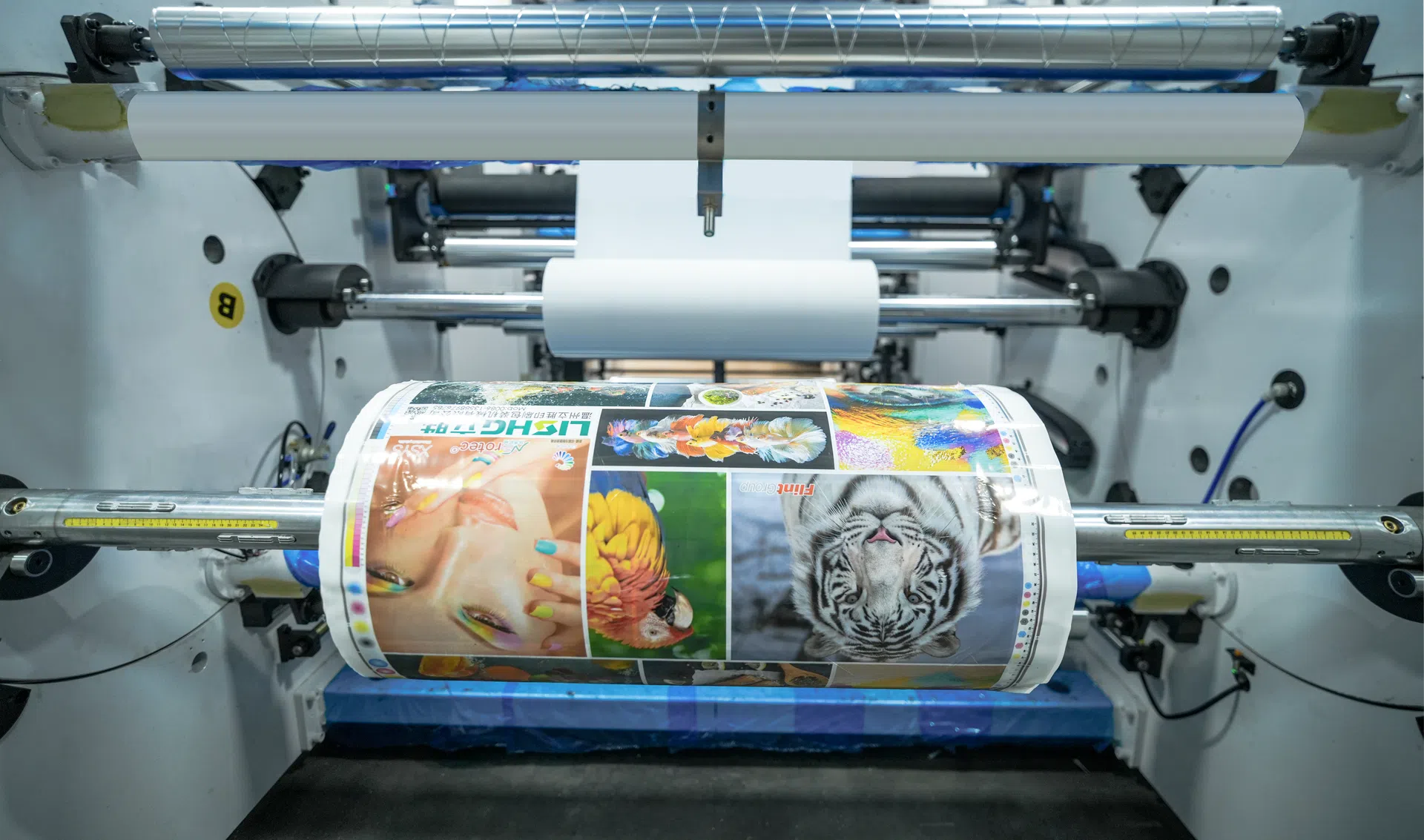
LISHG develops flexographic printing machines around different press architectures and production requirements. Its portfolio covers Gearless CI, CI Flexo and Stack Flexo configurations, while the final machine specifications can be customized according to substrate, printing width, color configuration, speed, automation and finished-product needs.
GEARLESS CI
Master Series
The flagship gearless CI platform in the LISHG portfolio. The Master Series is positioned for high-speed and high-precision flexible packaging production where register stability, servo control and production efficiency are critical.
GEAR-SLEEVE CI
King Series
LISHG's CI Flexo portfolio features a gear-sleeve structure. King is designed for demanding flexible packaging production where high production efficiency, reliable register control, and the advantages of a gear-sleeve CI architecture are required.
CI FLEXO
Apex Series
A servo-driven CI Flexo solution positioned for converters requiring a combination of production efficiency, register control, and automation. The series can be configured according to the actual substrate and production requirements.
CI FLEXO
Ultra Series
A practical CI Flexo platform for converters seeking a balanced combination of production performance and investment. The final configuration can be matched to substrate, width, color requirements, and target operating speed.
SPECIALTY CI FLEXO
Mix Series
A specialized solution for paper napkin production where printing is integrated with embossing, folding and cutting requirements. It is intended for applications where the complete converting process is more important than printing alone.
STACK FLEXO
Honor Series
A stack flexographic printing solution for applications requiring a stack press architecture. Available configurations address different printing and changeover requirements, including applications involving flexible films, paper, and labels.
APPLICATION MATCHING
How Should You Match the Machine to the Finished Product?
BEFORE REQUESTING A QUOTE
What Information Should You Send to a Flexo Machine Manufacturer?
A detailed production brief produces a more useful machine proposal than simply asking for the price of a “6-color flexographic printing machine.” Since LISHG machines are configured according to production requirements, the more complete the production information, the more accurately the engineering team can evaluate the machine solution.
01. Substrate
Material type and intended product
02. Thickness
Film μm or paper GSM
03. Printing Width
Required effective print width
04. Colors
Required color configuration
05. Ink
Water-based, solvent-based or other
06. Target Speed
Required usable m/min
07. Job Mix
Order length and changeover frequency
08. Future Growth
Expected substrate, width and volume changes
QUICK SELECTION
What Is the Fastest Way to Choose the Right Flexo Machine?
STEP 01
Define the Production Job
Confirm substrate, thickness, printing width, colors, ink system, finished product and target usable production speed.
STEP 02
Match the Press Architecture
Compare Gearless CI, gear-sleeve CI, and Stack Flexo options, then narrow the selection using speed, application, automation, drying, and investment requirements. The King Series should be considered when a gear-sleeve CI structure production positioning fits the application.
STEP 03
Submit Your Parameters for a Solution
Send the complete production profile to LISHG so the engineering team can evaluate the appropriate series, configuration and optional functions for your application.
FAQ
Flexographic Printing Machine Selection FAQ
What is the most important factor when choosing a flexographic printing machine?
The most important factor is matching the machine configuration to the actual production job. Substrate, width, colors, usable speed, drying, and automation should be evaluated together rather than selecting the machine from one parameter.
Is a higher-speed flexographic printing machine always better?
No. Maximum mechanical speed is only the machine's upper capability. Actual production speed depends on substrate behavior, drying, ink coverage, tension and print-quality requirements. A properly matched machine can provide better production economics than a higher-speed machine that cannot operate efficiently on the actual job.
What is the difference between the Master and King Series?
The Master Series is LISHG's flagship gearless CI platform, while the King Series is a gear-sleeve CI solution. The appropriate choice depends on the required press architecture, production target, substrate, automation requirements, and overall machine configuration.
How many colors should I choose?
Select the color count from the actual artwork and finished product. LISHG can configure the printing solution around the required color arrangement instead of forcing every production application into one fixed configuration.
Can one flexographic printing machine print every substrate?
A machine may support multiple substrates, but the complete material range must be validated before purchase. Different materials can require different tension, drying and web-handling conditions.
Can LISHG recommend a machine based on my production requirements?
Yes. Providing the substrate, thickness, printing width, colors, ink type, target usable speed, finished product and automation requirements allows the engineering team to evaluate the appropriate machine platform and configuration.
ENGINEERING CONFIGURATION
Need Help Choosing the Right Flexographic Printing Machine?
Send your substrate, material thickness, printing width, color count, ink system, target usable speed and finished-product requirements. LISHG can evaluate the production profile and recommend a suitable machine platform and customized configuration.


