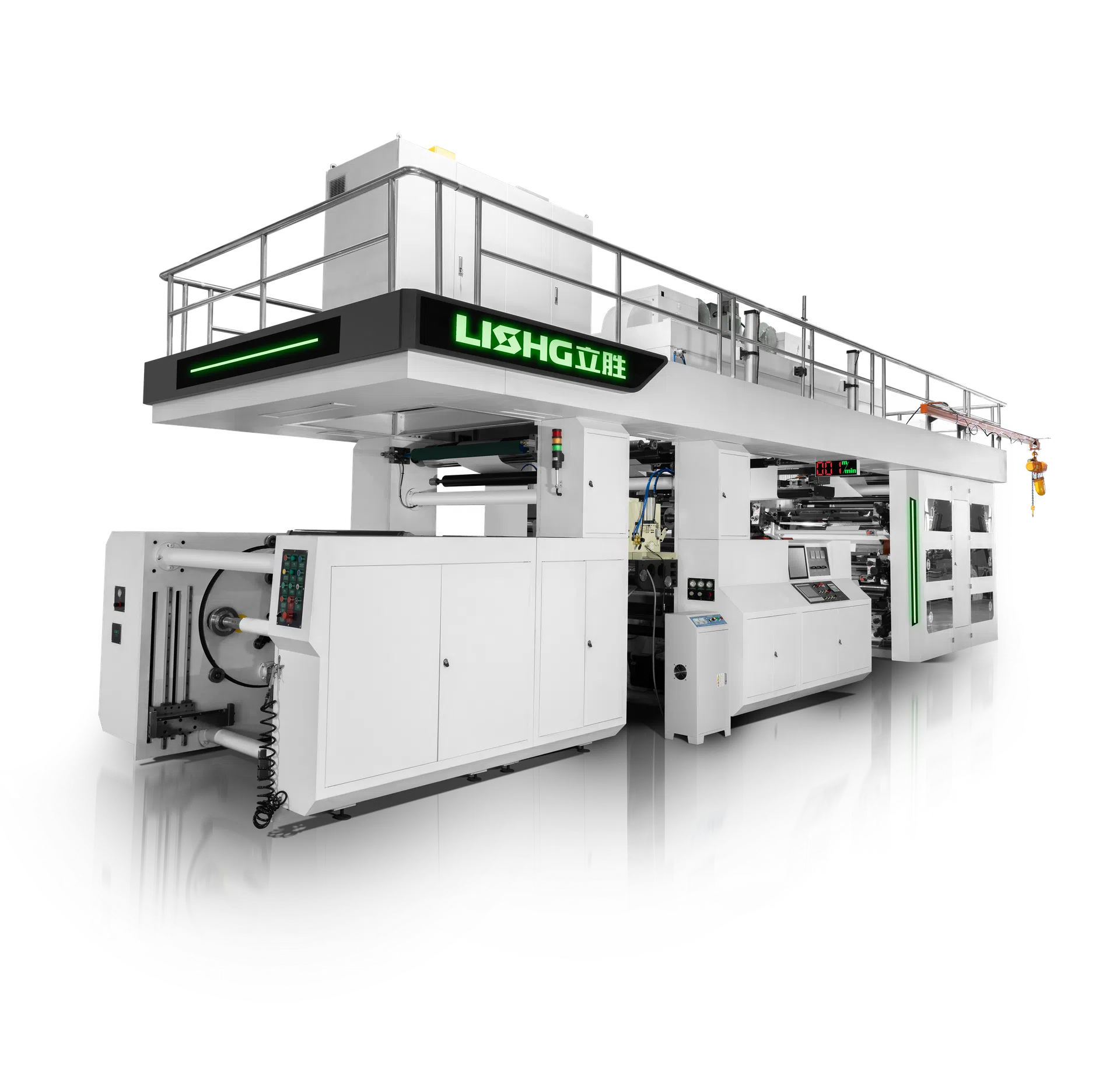
INDUSTRIAL BUYING GUIDE
What to Know Before Investing in a Flexographic Press
A practical guide for packaging manufacturers and printing companies evaluating flexographic press investments, covering machine selection, production requirements, cost considerations, and long-term business value.
Before You Invest
Understand your printing applications and materials
Evaluate production volume and future growth
Compare machine configurations and ownership costs
Choose a supplier with reliable technical support
INTRODUCTION
Investing in a Flexographic Press Is a Long-Term Production Decision
A flexographic press represents a significant capital investment that directly influences production efficiency, print quality, operating costs, and future business expansion.
Unlike purchasing standard equipment, selecting the right flexographic press requires a complete understanding of your substrates, printing requirements, order volume, automation expectations, and return on investment.
The right machine configuration can improve productivity, reduce waste, shorten delivery cycles, and support long-term customer growth. However, an unsuitable press may create unnecessary downtime, higher operating expenses, and limited production flexibility.
This guide explains the essential factors manufacturers should evaluate before investing in a flexographic printing solution.
QUICK ANSWERS
What Should You Know Before Buying a Flexographic Press?
1. Define Your Application
Identify printing materials, ink requirements, colors, and finishing processes before selecting equipment.
2. Match Production Needs
Choose a press based on production volume, running speed, and expected business growth.
3. Evaluate Total Cost
Consider machine price, maintenance, energy consumption, labor requirements, and lifetime operating costs.
4. Select the Right Partner
A reliable supplier should provide installation, training, spare parts, and technical support.
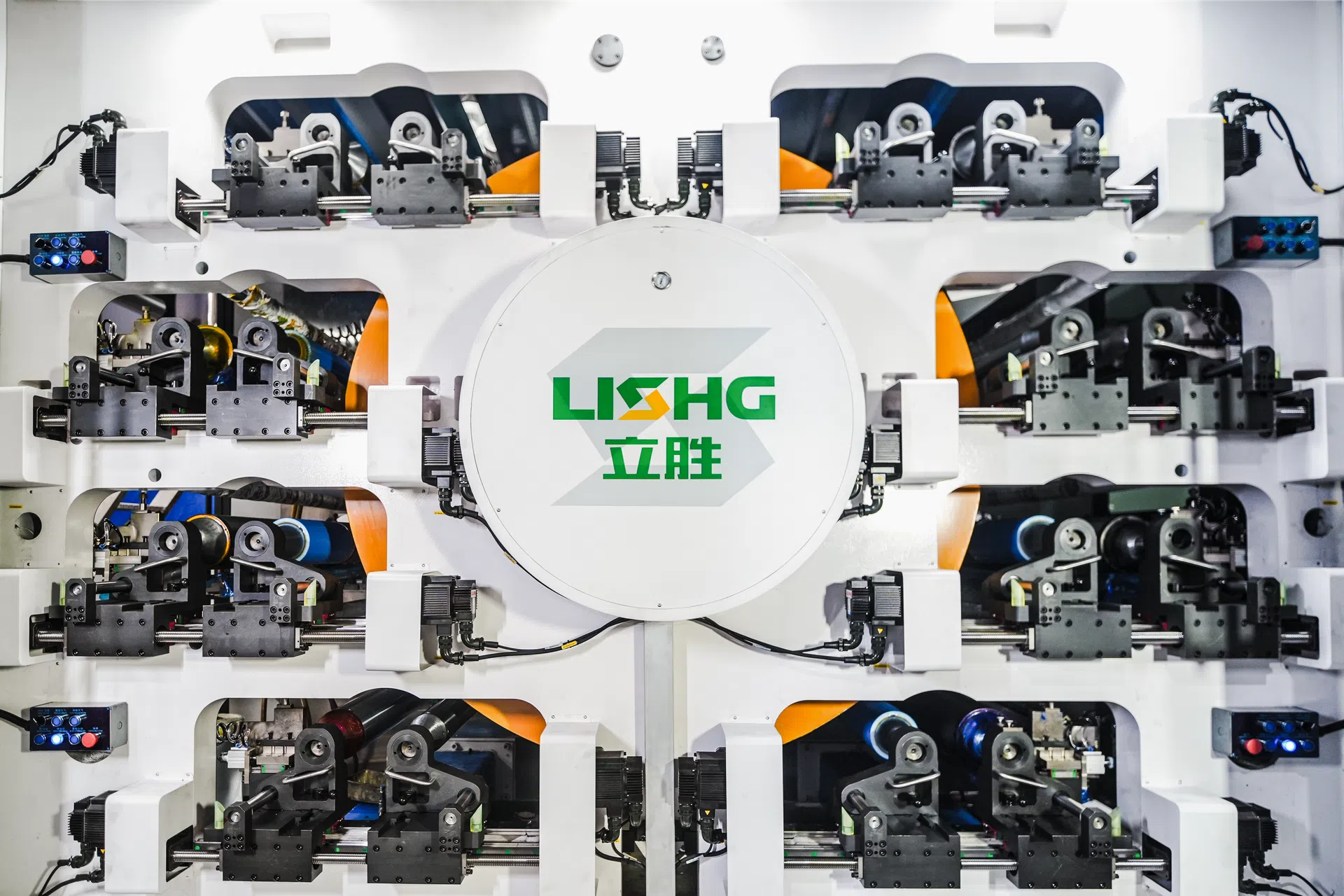
INVESTMENT FOUNDATION
Four Questions Every Buyer Should Answer First
01 APPLICATION
What materials, products, and printing requirements will the press handle?
02 CAPACITY
What production volume, speed, and future expansion plans should the machine support?
03 TECHNOLOGY
Which press structure, automation level, and configuration best match your workflow?
04 ROI
How will the investment improve efficiency, profitability, and long-term competitiveness?
APPLICATION MATCHING
Choose the Flexographic Press Based on Your Production Scenario
Different printing businesses require different press configurations. The ideal machine depends on your products, substrates, production scale, and quality expectations.
KEY INVESTMENT INSIGHT
The Best Flexographic Press Is Not Always the Fastest Machine
The right investment is the press that matches your production goals, material requirements, operating environment, and long-term business strategy.
KEY SELECTION FACTORS
Four Critical Factors Before Investing in a Flexographic Press
1. Substrate Compatibility Determines Machine Capability
The first consideration is whether the flexographic press can consistently handle your target materials.
Plastic films including PE, PP, BOPP, PET, and laminated structures
Paper-based packaging materials and specialty substrates
Different ink systems and drying requirements
Material thickness variation and tension control requirements
A press designed around your substrate profile ensures stable printing performance and reduces production waste.
2. Production Volume Defines the Right Configuration
Production scale directly influences the ideal machine structure and automation requirements.
Short runs require flexibility and fast setup
Medium production requires balanced efficiency
Large-scale production requires speed and continuous stability
Selecting a machine according to actual demand prevents unnecessary investment while ensuring future growth capacity.
3. Automation Level Impacts Efficiency and Labor Cost
Modern flexographic presses offer different automation options to improve consistency and reduce manual intervention.
Automatic registration control
Servo-driven tension systems
Automatic plate positioning
Remote monitoring and production data management
4. Total Cost of Ownership Matters More Than Initial Price
A professional investment evaluation should include the complete lifecycle cost.
Equipment purchase cost
Energy consumption
Maintenance requirements
Spare parts availability
Operator training and technical support
A reliable machine with lower operating costs often creates higher long-term value than a cheaper but unstable alternative.
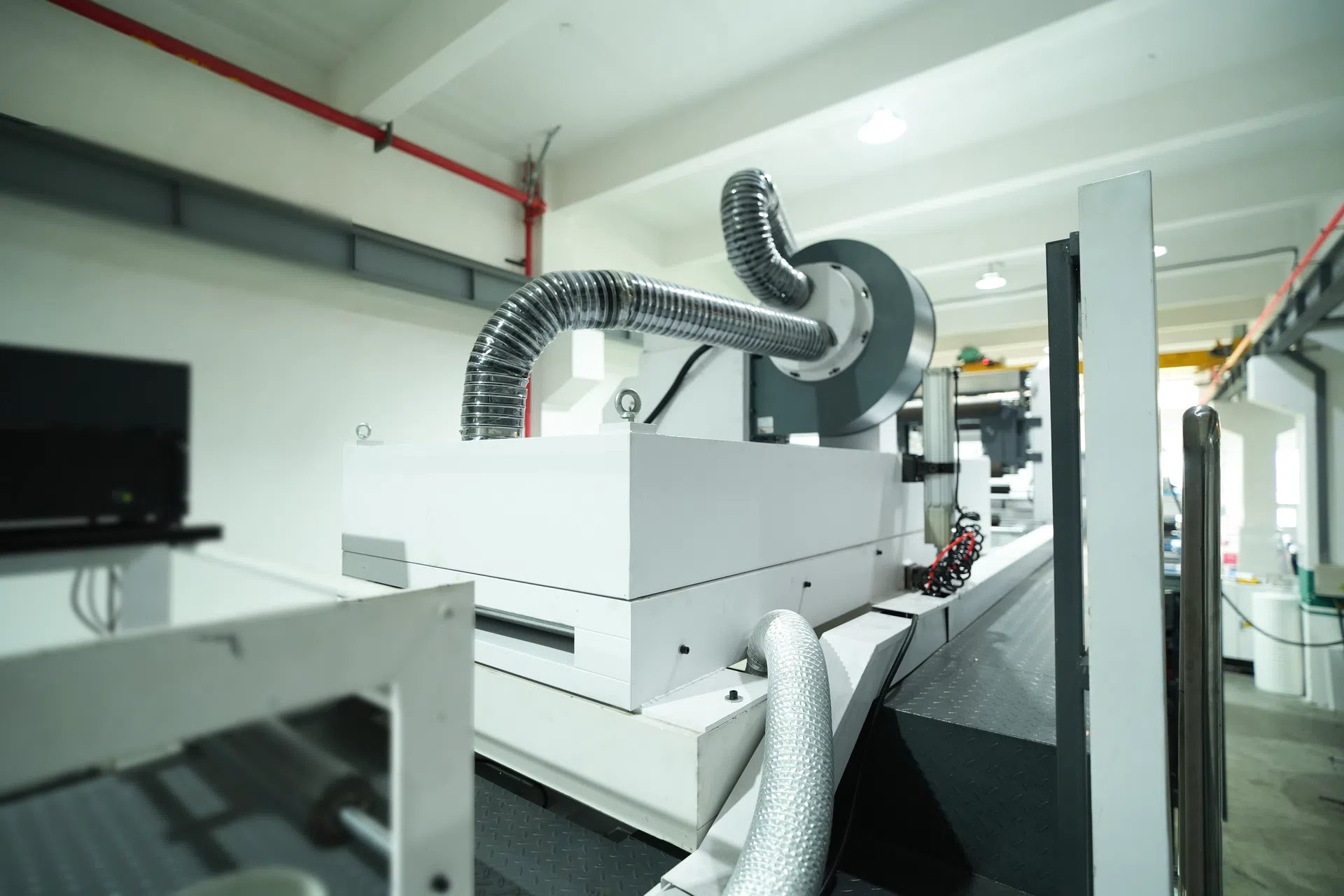
PRESS TYPE COMPARISON
Different Flexographic Press Types for Different Applications
Press Type | Best Application | Advantages | Considerations |
|---|---|---|---|
Flexible packaging and film printing | Excellent registration and high-quality output | Higher investment level | |
Paper, bags, and general packaging | Simple structure and cost-effective operation | Limited high-end applications |
AI ASSISTED SELECTION
Find the Right Flexographic Press Based on Your Production Needs
Before selecting equipment, buyers should evaluate several key parameters. Use this decision framework to identify the most suitable machine direction.
Material Type
What materials will you print most frequently?
Flexible Film Paper Material Specialty Substrate
Production Volume
What is your expected production requirement?
Small Batch Production Medium Volume Production High Volume Production
Automation Requirement
How much automation does your factory require?
Standard Operation Semi Automatic Control Fully Automated Production
AI Recommendation Logic
Material requirements + Production volume + Automation level + Future growth = Recommended Flexographic Press Configuration
PURCHASING PROCESS
Five Steps to Select the Right Flexographic Press
STEP 01
Analyze Your Production
Review materials, applications, printing volume, and quality expectations.
STEP 02
Define Machine Requirements
Determine press width, colors, speed, automation, and configuration needs.
STEP 03
Compare Suppliers
Evaluate technology capability, manufacturing experience, and service support.
STEP 04
Calculate Total Cost
Consider investment, operation, maintenance, and lifetime value.
STEP 05
Confirm Long-Term Support
Choose a partner providing installation, training, and after-sales service.
RELATED FLEXOGRAPHIC SOLUTIONS
Recommended Flexographic Printing Equipment
Product | Application | Key Benefits | Recommended For |
|---|---|---|---|
Flexible packaging production | High precision printing and excellent registration | Large packaging manufacturers | |
Multi-color packaging printing | Stable color consistency and high productivity | High quality packaging production | |
Paper bags and general packaging | Economical structure and easy operation | Growing manufacturers |
FREQUENTLY ASKED QUESTIONS
Flexographic Press Investment FAQ
1. How do I choose the right flexographic press for my factory?
The right press depends on your printing materials, production volume, required quality level, automation expectations, and long-term business goals.
2. What factors affect the cost of a flexographic printing machine?
Machine configuration, printing width, number of colors, automation systems, optional equipment, and service requirements all influence investment cost.
3. Is a CI flexographic press better than a stack flexo machine?
Neither option is universally better. CI presses are ideal for high-quality flexible packaging, while stack presses are suitable for many general packaging applications.
4. How long does a flexographic press normally operate?
With proper maintenance and professional technical support, a high-quality flexographic press can provide reliable production performance for many years.
5. What support should I expect from a flexographic press manufacturer?
Professional suppliers should provide installation guidance, operator training, spare parts supply, troubleshooting assistance, and long-term technical support.
FINAL THOUGHTS
Making a Smarter Flexographic Press Investment Decision
Investing in a flexographic press is not simply a machine purchase. It is a strategic decision that influences your production capability, operational efficiency, product quality, and future competitiveness.
The most successful buyers begin by understanding their real production requirements, evaluating different press configurations, and selecting equipment that creates measurable long-term value.
Before making an investment decision, consider the complete picture:
Production Fit
Choose a machine designed around your actual substrates, applications, and production goals.
Technology Value
Evaluate automation, precision control, and efficiency improvements that support future growth.
Supplier Reliability
Work with a manufacturer capable of providing professional service throughout the equipment lifecycle.
Long-Term ROI
Focus on total ownership value rather than only the initial purchase price.
A carefully selected flexographic press becomes more than production equipment — it becomes a foundation for sustainable manufacturing growth.
Find Your Matching Flexo Press Configuration
Searching how to choose a flexo printing machine? Use the LISHG AI Press Selector to turn this buyer's guide into a recommended press family—then talk to LISHG about the platform that fits your packaging line.
Start AI Press SelectorRequest a Quote

