
Flexo Printing for Pet Food Packaging: Matching Substrate, Bag Format, and Press Configuration
Pet food packaging print performance depends on more than the press itself. Bag format, substrate pairing, print coverage, downstream converting, and market-specific documentation all influence the final specification.
A reliable specification starts with the actual production mix: bag format, film structure, print coverage, repeat length, target saleable speed, and downstream converting conditions. The press should be configured around those requirements, then verified with representative materials before the order is finalized.
Bag Format
Dry, wet/retort, or treat. The dominant format in the order book decides the substrate set and the press priorities before anything else is specified.
Substrate Pairing
PET/PE, PET/CPP, mono-PE. Film behavior under tension and heat decides the drying capacity and tension profile the press must carry.
Press Configuration
Width, color count, sleeve system, and drying margin. Standard widths run 600, 800, 1000, 1200, 1400, and 1600 mm.
Compliance Verification
Ink declaration, migration data, residual solvent report, and cleaning records. Check these before shipment, not after the container arrives.
Why Pet Food Packaging Is Not a Generic Flexible Packaging Job
A converter running snack bags and a converter running pet food bags may buy the same film structures, but the order profile pulls the equipment decision in different directions. A press specified only around a nominal film type can fall short when the actual job includes a different bag format, heavier white ink coverage, a wider web, or a more demanding drying requirement.
Dry pet food bags are typically large format, roughly 2 kg to 15 kg, with heavy ink coverage for brand photography and dense nutritional panels. The web is usually PET/PE or a three-layer structure. A 10 kg bag running on a wide web will often use a thick white base laydown; if the register drifts across the web width, the white ink film becomes uneven, which affects appearance and can complicate downstream print-quality checks.
Wet pet food pouches bring retort conditions into the pressroom. The finished pouch may be exposed to a defined thermal sterilization process. The laminate, adhesive, ink system, and print position must be suitable for the actual process conditions. Confirm the required retort conditions with the packaging technologist and ink supplier; the press specification alone cannot establish finished-pack suitability.
Treat bags and small-format pouches sit at the opposite end. Runs are short, artwork changes are frequent, and the SKU count is high. Here the press decision is driven less by top speed and more by changeover time and how the plate and sleeve system is managed across the day.
Bag Format to Substrate Mapping
The table below summarizes the substrate combinations and press considerations buyers should review for the three main pet food formats. These are illustrative material combinations, not universal specifications. Confirm the exact structure, thickness, surface treatment, and converting process with the material supplier, then validate the proposed press configuration using production-representative samples.
| Bag Format | Typical Substrate (Example) | Register Priority | Press Consideration |
|---|---|---|---|
| Dry food bag (large format) | PET 12μm / PE 60–100μm; mono-PE | High-opacity white, large solid areas | Wide web stability; drying capacity for heavy white laydown |
| Wet food pouch (retort) | PET 12μm / CPP 50–70μm; PET / EVOH / CPP | Retort-compatible ink; precise register | Verify ink-system suitability for the intended retort process and agree residual-solvent test criteria |
| Treat bag / small pouch | PET 12μm / PE 40–60μm; mono-PE | Changeover speed; short-run economy | Sleeve changeover; quick job recall settings |
If you run a mix of formats, set the press specification by the most demanding format in the portfolio, not the average. A press configured for dry food bags may lack the retort-compatible drying and ink handling that wet pouches need. A press optimized for short-run treat bags may not have the web width or drying capacity for large dry food bags.
Standard printing widths are 600, 800, 1000, 1200, 1400, and 1600 mm, with custom widths available. Color configurations are built to order from 4 colors upward, so the press can be matched to the format rather than the other way around.
BUYER'S CORE POINT
Specify by the Most Demanding Format, Not the Average
A press that runs dry food bags comfortably can still fall short on retort pouches, and a press built for short-run treat bags can lack the width and drying headroom for large dry food formats. Take the hardest job in your book as the design basis, then confirm the simpler jobs fit inside that envelope.
MATERIAL SHIFT
The Sustainability Shift: Mono-Material PE and Paper-Based Formats
Mono-PE Under Tension
Mono-PE is softer and more stretch-sensitive than a PET laminate. Lower tension setpoints are needed to avoid elongation and register drift.
Drying on Non-Absorbent Film
PE does not absorb moisture the way paper does, so the ink sits on the surface. Drying has to be balanced against heat distortion of the film. This is one of the parameters to recheck when a press is changed from paper-based work to flexible film.
Paper Surface Absorption
Different paper grades can vary in absorbency, surface smoothness, and ink holdout. Confirm the anilox specification and drying profile against the actual paper grade.
Running Both on One Press
If paper and mono-PE share a press, confirm that the web-handling and drying arrangements can cover both material groups. Document the operating settings for each approved substrate rather than relying on one common setup.
Mono-material PE is one option being evaluated for packaging designs with recyclability objectives. Its printability and converting performance depend on the specific resin structure, thickness, surface treatment, ink system, and sealing process. Do not assume that a mono-PE structure will run with the same tension and drying settings as a PET-based laminate.
Pet Food Contact Compliance: What to Verify Before Shipment
Pet food packaging requirements depend on the destination market, intended use, package construction, and applicable animal-feed or food-contact rules. The checks below are a procurement starting point, not a substitute for regulatory review by the packaging supplier and the buyer's compliance team.
| Check Item | Why It Matters | What the report/document must include |
|---|---|---|
| Ink food-contact declaration | Confirms the ink system is approved for the target market | Specific ink code, supplier declaration, applicable market requirements, intended food-contact use, and any limitations on print position or use. |
| Residual solvent report | Residual solvent is a food-contact risk, not just a quality defect | Test method, tested sample construction, test date, reported results, and the acceptance criteria agreed for the target application. Do not apply a generic limit without confirming the relevant market and method. |
| Changeover cleaning record | Prevents cross-contamination between jobs | Signed verification per changeover, recording the cleaning method, materials used, verification result, and operator sign-off. |
| PFAS-free declaration | Some markets have introduced restrictions or reporting requirements concerning PFAS in packaging | Supplier declaration identifying the materials and substances covered, the scope of the statement, and any analytical method or detection threshold relied upon. |
| Seal integrity (mono-PE) | Seal performance can change after flexo printing and lamination | Film supplier confirmation on the finished structure, including seal strength (N/15mm) and hot tack temperature range. |
RELATED EQUIPMENT
Matching Press Platform to Production Profile
Flexible-film pet food packaging commonly leads buyers to compare CI configurations, but the suitable platform depends on the actual film structure, print requirements, job lengths, width, and required output. The product range includes gearless CI, CI, and Stack platforms; the final selection should be confirmed against the written specification and representative samples.
King Series CI Flexo Press
Consider the KING CI platform when the production brief calls for a CI configuration for flexible-film work. Confirm the exact drive arrangement, web width, color count, repeat range, drying system, and target saleable speed against the written model specification.

Apex Series Servo Gear Driven CI Flexo Press
Consider the APEX CI platform when the required configuration calls for servo gear-driven CI printing. Confirm register criteria, substrate range, drying capacity, and target saleable speed using the actual film and ink combination. Retort suitability must be established by the ink and packaging system suppliers.
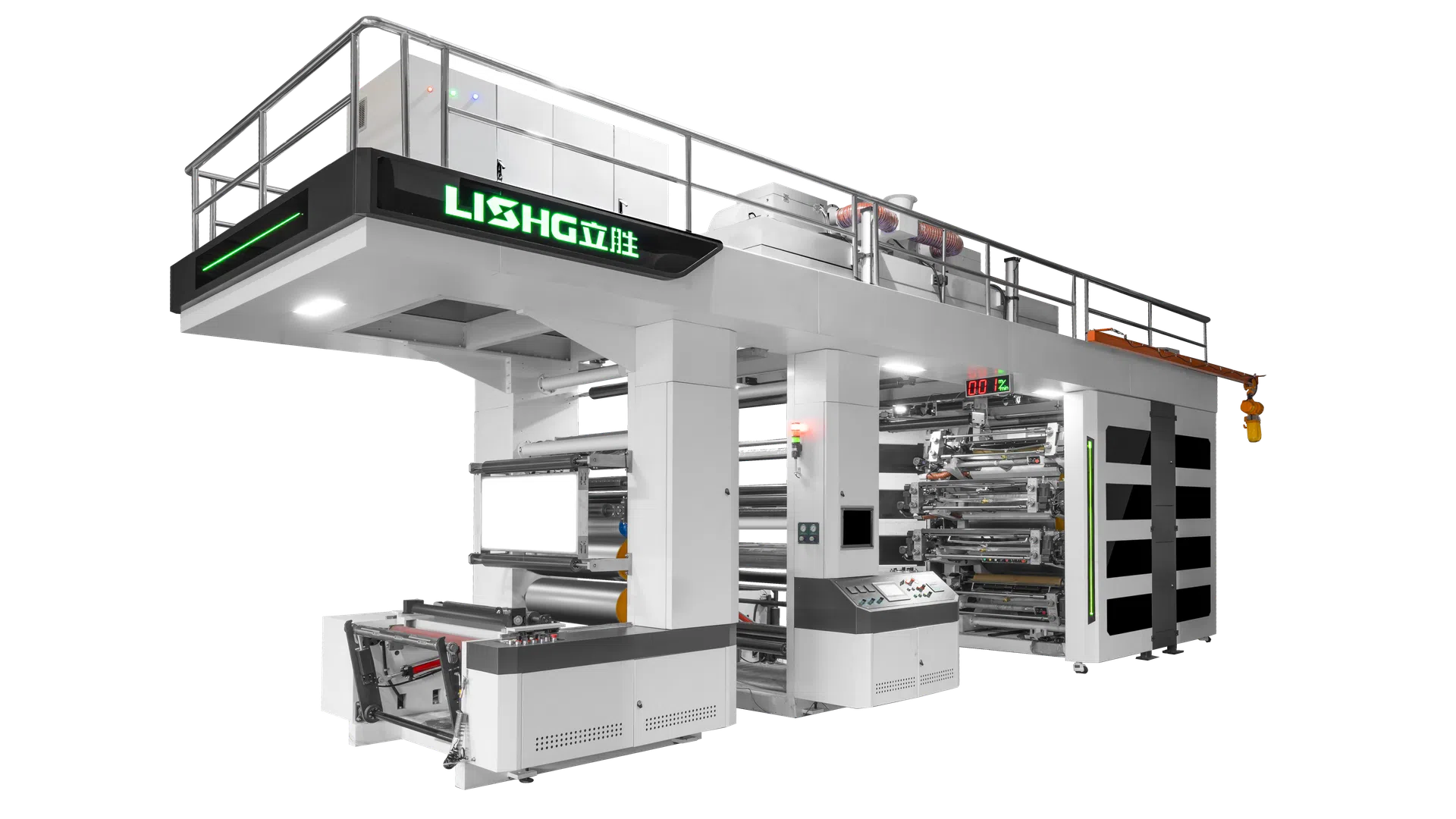
ULTRA Series CI Flexo Press
The ULTRA series is positioned for mid-speed CI film and paper production. Review it when the required saleable speed, substrate range, and investment level fit its published configuration; verify the exact model and options in the quotation.
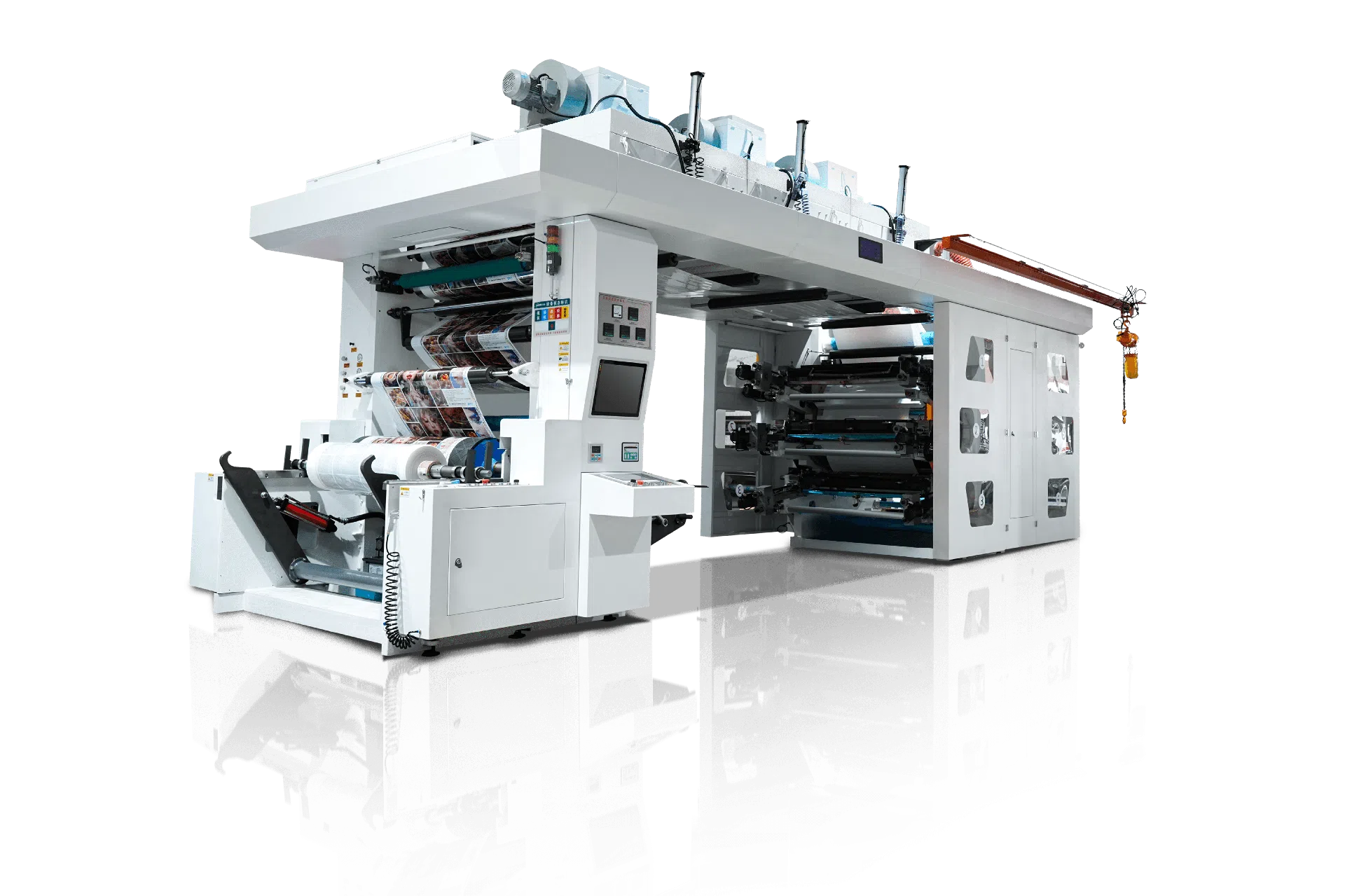
MASTER Full-Servo Gearless CI Press
The MASTER series is LISHG's flagship gearless CI platform for demanding film and paper work. Consider it when the production brief justifies a gearless configuration, then confirm the model-specific speed, width, color stations, and print acceptance criteria.
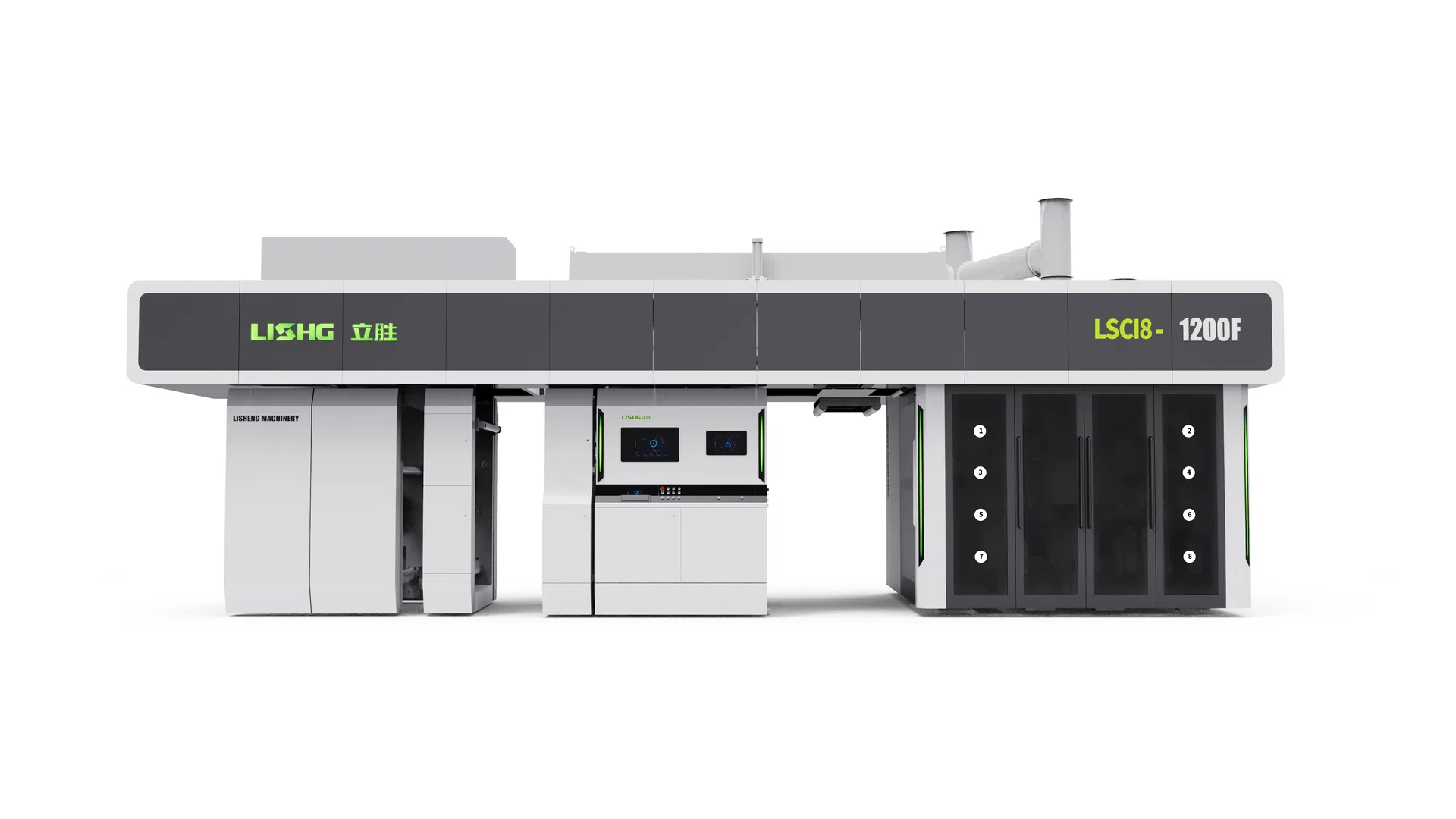
Honor Servo Sleeve Stack Flexo Press
For short-run work with frequent artwork changes, compare the HONOR Servo Sleeve configuration's sleeve-handling and changeover process with the actual workflow. Quantify setup time and waste in a representative trial rather than assuming a fixed productivity gain.
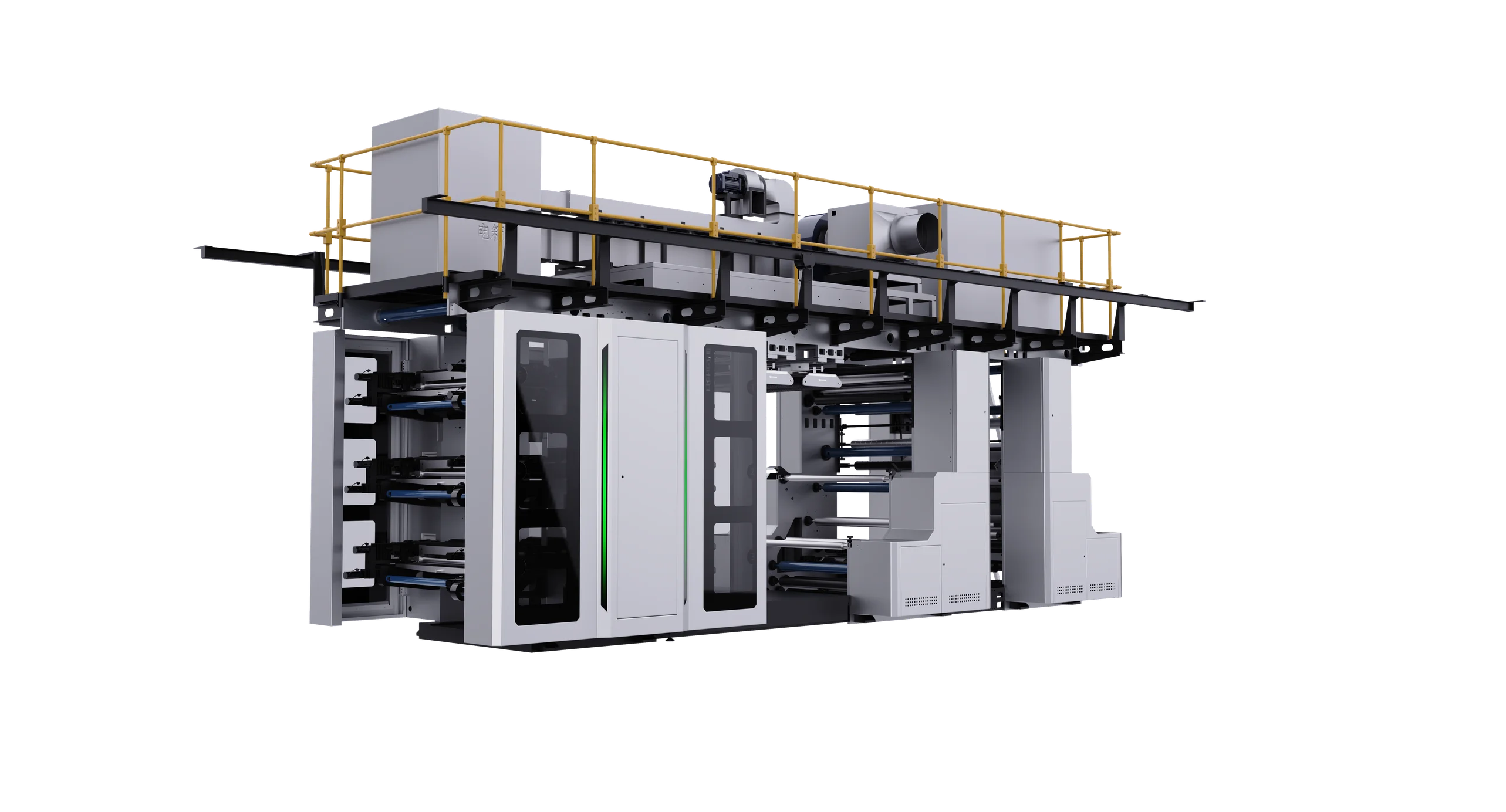
Application Reference: Read how a converter configured a LISHG CI flexo press for a pet food packaging application involving BOPP, PET, and PE films. The project profile covers the substrate pairing, print consistency requirements, and pre-shipment checks used for this production setup.
View the Pet Food Packaging Project Profile →REGIONAL BUYING CONTEXT
Regional Purchasing Checks for Vietnam and Indonesia
The technical requirements for a pet food packaging press still come from the job itself: film structure, print coverage, web width, color count, target saleable speed, and downstream process. If the installation is planned for Vietnam or Indonesia, the purchase review also needs to cover import classification, applicable origin documentation, landed cost, plant utilities, installation, training, and spare-parts arrangements.
For buyers in Vietnam or Indonesia
Use the Vietnam and Indonesia flexo press buying guide for the regional checklist covering RCEP origin documents, landed-cost calculations, representative-material testing, installation, operator training, and service planning. Its trade and import guidance is regional procurement context; it does not establish pet-food-specific regulatory compliance or a universal duty rate.
For other destinations, confirm tariff classification, import taxes, packaging requirements, and accepted documentation with the relevant local customs broker and compliance specialists.
BUYING PROCESS
Five Steps Before You Request a Flexo Press Quote
A quotation you can actually compare starts with production information. The clearer your brief, the less the supplier has to guess.
STEP 01
List Main Bag Formats
Give the format mix and the share of volume behind each one, not just the largest format.
STEP 02
Describe the Substrate Set
Film combinations, thickness ranges and whether mono-PE or paper-based formats are part of the plan.
STEP 03
Share Production Volume
Expected volume, typical order size and how often the job changes on the press.
STEP 04
Compare Suitable Platforms
Review CI and stack options against the format and substrate you defined rather than a generic ranking.
STEP 05
Submit Compliance Parameters
Include the target market and the compliance documents you need, so the response covers them from the start.
BUYER FAQ
Pet Food Flexo Printing: Frequently Asked Questions
What substrate is most common for dry pet food bags?
PET/PE and three-layer PET/PE structures are common, with mono-PE gaining share for recyclability. Confirm the press configuration against the specific film thickness and stiffness rather than the material name alone.
Can the same flexo press run both dry food bags and wet food pouches?
It can, but the ink system and drying capacity have to be verified for retort conditions. A press specified only for dry bags may not have the drying margin or ink compatibility that wet pouches require.
What changes when switching from PET laminate to mono-PE?
Tension setpoints typically come down, and drying profiles may need adjustment because PE is more heat-sensitive and does not absorb moisture. Run a trial on the actual mono-PE film before committing the configuration.
Which compliance documents should be checked for pet food packaging?
Requirements differ by destination market and package use. Request the ink and packaging suppliers' declarations and test reports for the actual package construction, then confirm the applicable requirements with the buyer's compliance team.
How important is changeover speed for pet food packaging?
It depends on the SKU count. For treat bags and private-label programs with frequent design changes, changeover time can be a larger productivity factor than press speed. For single-SKU large-format dry food runs, register stability and drying capacity matter more.
Can the press be customized for a specific pet food format?
Yes. Configurations are built to order, with standard widths of 600, 800, 1000, 1200, 1400, and 1600 mm and custom widths available. Color configurations start at 4 colors and go up, so the press can be matched to the format rather than the other way around.
BEFORE YOU ORDER
Check These Three Things First
Pet food packaging flexo selection starts with three questions: what bag format dominates the order book, what substrate that format requires, and what compliance documentation the target market demands. The press platform follows from those answers.
If you buy the machine first and try to fix the substrate or compliance paperwork later, you lose leverage. A press bought for the wrong format or without the right ink system is a very expensive way to learn that the bag wasn't the only thing that needed to change.
DISCUSS YOUR PET FOOD APPLICATION
Need Help Configuring a Press for Pet Food Packaging?
Share your dominant bag format, substrate set, target width and color count, and the compliance documents your market requires. The press configuration can then be discussed against the jobs you actually run.