
FLEXO PRESS BUYING GUIDE · GCC MARKET
How to Buy a Replacement Flexo Press in the GCC: A Buyer’s Walkthrough
Replacing a flexographic press is a production decision, not just an equipment purchase. The new machine has to run the jobs your customers order, fit the way your factory operates, and come with an installation and support plan that works after delivery.
For packaging converters in Saudi Arabia, the UAE, Oman, Qatar, Bahrain, and Kuwait, the purchase also involves shipping, customs clearance, site preparation, commissioning, training, and spare-parts planning. These details can affect the project just as much as the machine specification.
The most reliable starting point is your existing production. Identify the jobs the replacement press must handle, the problems you want to solve, and the conditions the supplier must demonstrate before shipment. With that information in hand, you can compare configurations and quotations on a consistent basis.
BEFORE YOU REQUEST A QUOTE
Five Items to Settle First
01
List your actual substrates, working widths, color counts, and repeat lengths.
02
Identify the production or quality problems the new press must address.
03
Compare CI and Stack configurations against your actual job mix.
04
Agree on what the quotation includes and excludes before comparing prices.
05
Set acceptance, installation, and support requirements before ordering.
WHY THE GCC REPLACEMENT CYCLE IS DIFFERENT
An Aging Installed Base, and a Market That Now Expects More
The Middle East flexo market is not primarily a new-capacity story. A significant share of the installed base in the GCC was specified for the speed, register tolerance, and job mix that made sense a decade ago. If your production now includes shorter runs, more SKUs, or food-contact compliance requirements that did not exist when the press was bought, the machine may be the constraint rather than the market.
At the same time, Saudi Vision 2030 and the broader GCC push into downstream manufacturing are expanding local demand for food, beverage, and healthcare packaging. That demand rewards converters who can hold register at speed, change over faster, and document compliance. A press that cannot do those things becomes a bottleneck in a growing market.
The result is a replacement cycle rather than a simple upgrade cycle: converters are comparing the cost of rebuilding an aging press against the cost of a current platform, and they are doing so with the same scrutiny on after-sales support and import logistics as on the machine specification itself.
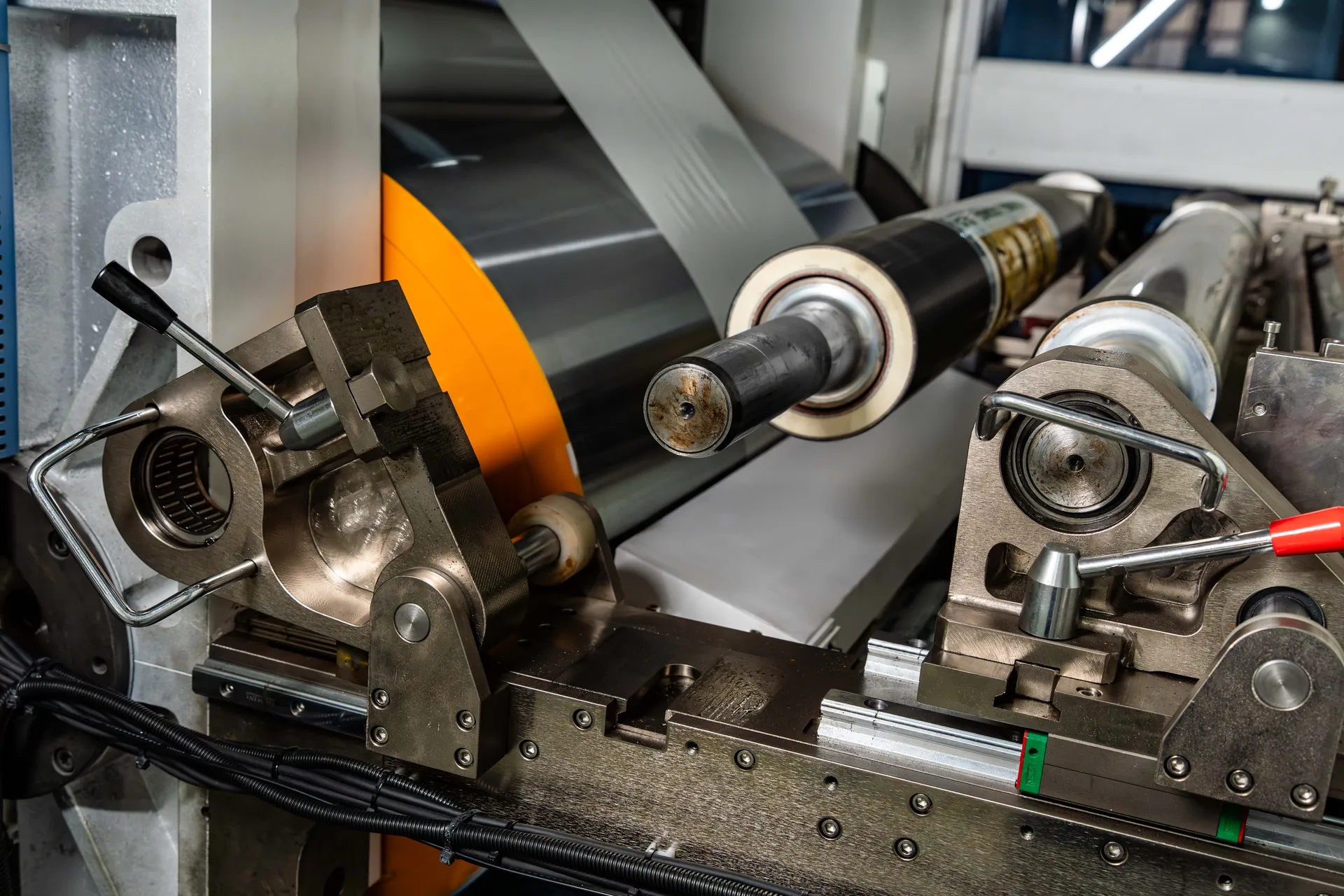
01 · DEFINE THE REQUIREMENT
Start with the Jobs Your Existing Press Cannot Handle Well
A replacement project often begins with a familiar problem: a job takes too long to set up, registration is difficult to stabilize, a particular material is hard to run, or the machine no longer suits the orders coming through the factory.
Write those problems down before discussing a new machine. A general request for higher speed or better quality gives a supplier little to work with. A description of the material, job dimensions, current limitations, and required result is much more useful.
Choose Representative Jobs
Include a regular repeat order, a job that pushes the current press, and one that causes setup or quality difficulties. Together, they provide a more realistic picture than a single ideal sample.
Separate Must-Haves from Extras
Mark which requirements are essential for current production and which would support future work. This keeps the specification focused instead of paying for features that do not solve a real problem.
Record the Operating Conditions
Note the substrates, thicknesses, working width, colors, repeat lengths, ink system, drying needs, and target production conditions. These details should guide the technical proposal.
Production Information to Prepare
| Information | What to Record | Why It Matters |
|---|---|---|
| Substrate | Material type, thickness or grade, surface characteristics, and any material-specific handling concerns. | Substrate behavior affects web handling, ink transfer, drying, and print quality. |
| Job dimensions | Usable web width, print width, repeat-length range, and roll dimensions where relevant. | The machine must accommodate the actual jobs rather than a nominal size chosen without reference to production. |
| Print requirements | Color count, artwork complexity, registration expectations, and quality acceptance criteria. | These determine what needs to be demonstrated during the factory test. |
| Production mix | Typical order quantities, repeat jobs, short runs, changeover frequency, and expected shifts. | The right configuration depends partly on how the press will be used throughout the working week. |
| Current limitations | Setup delays, quality issues, difficult materials, maintenance concerns, or capacity constraints. | These give the supplier specific problems to address rather than a broad request for an upgrade. |
Translate Each Problem into a Specification Question
Once the problems are written down, the next step is to turn each one into a technical parameter that the supplier must confirm. This is the bridge between what is wrong today and what to compare in the quotation.
| Current Problem | Configuration Area to Confirm | Question for the Supplier |
|---|---|---|
| Registration drifts at speed | Automatic register control, closed-loop tension, CI drum precision | At our target speed, what register tolerance can you demonstrate on our substrate, and how quickly does the system recover after a splice? |
| Changeovers take too long | Sleeve change system, servo pre-register, drying response time | What is the typical time from end of run to first saleable print on the next job, for a job profile similar to ours? |
| Thin film is difficult to control | Tension range, pre-heating and cooling, web-guide configuration | What is the confirmed tension range and web-handling configuration for the film thicknesses we run? |
| Drying limits production speed | Drying capacity margin, ink compatibility, air-flow configuration | With our ink system, what running speed can you demonstrate without residual-solvent or blocking issues? |
A practical tip: Send the same job information to every shortlisted supplier. If one quotation assumes a different substrate, width, color count, or performance target, the prices may appear comparable even though the proposed machines are not configured for the same work.
02 · SELECT THE PRESS TYPE
Choose Between CI and Stack Based on Your Production Mix
CI and Stack flexographic presses use different printing arrangements. Neither should be selected simply because it is described as the more advanced option. The decision should follow the substrate, print requirements, job mix, and operating conditions.
CI Flexo Press
A CI press positions the substrate around a common impression cylinder as the colors are printed. This arrangement can be useful where web support and registration across multiple colors are important, particularly in flexible packaging applications.
Discuss: substrate behavior, registration requirements, drying capacity, tension control, working width, and the production conditions the machine must demonstrate.
Stack Flexo Press
A Stack press arranges the printing units vertically. Depending on the configuration, it may suit converters with particular job mixes or double-sided printing requirements.
Discuss: the required print arrangement, job dimensions, material handling, available floor space, changeover practices, and the level of control needed for the intended work.
| Comparison Point | CI Flexo Press | Stack Flexo Press |
|---|---|---|
| Printing arrangement | Printing units work around a common central impression cylinder. | Printing units are arranged vertically in a stack. |
| Typical production profile | Multicolor flexible film and packaging where web stability and register consistency are priorities. | Job mixes that include double-sided work, frequent substrate changes, or a tighter capital budget. |
| Questions to resolve | How the substrate behaves, what registration is required, and how drying and tension should be configured. | How the jobs are arranged, whether double-sided printing is needed, and what configuration suits the production flow. |
| Factory test priorities | Registration, print quality, drying, and stable running on agreed materials. | Print quality, registration, material handling, and performance on representative jobs. |
| Cost comparison | Include drive system, drying equipment, automation, and installation scope in the comparison. | Use the same production requirements and delivery scope when comparing the proposed configuration. |
| Common mistake | Assuming the CI arrangement alone guarantees the required result. | Rejecting a Stack configuration without comparing it against the actual job requirements. |
A simple rule to narrow the decision: If your production is mainly multicolor flexible film with register consistency as a priority, start with CI. If your job mix includes double-sided work, frequent substrate changes, or a tighter capital budget, evaluate Stack against the same job list before ruling it out. If both appear suitable, ask the supplier to explain the differences using your own jobs, not a generic comparison of machine types.
03 · COMPARE THE QUOTATIONS
Compare Complete Configurations, Not Headline Prices
A quotation is only meaningful when you know exactly what it covers. Two offers may describe similar machines but differ in the drive system, drying arrangement, control functions, accessories, inspection equipment, or services included with delivery.
Ask each supplier to identify standard equipment, optional features, exclusions, and any items that still depend on the final technical review. Where a feature is intended to solve a specific production problem, ask how that benefit will be evaluated during testing.
Technical Scope
- Printing-unit arrangement and drive configuration
- Registration and tension-control systems
- Drying configuration and required utilities
- Unwinding and rewinding equipment
- Requested automation and inspection functions
- Compatible substrates and approved job range
Commercial Scope
- Included accessories and optional equipment
- Testing, packing, and documentation
- Delivery basis and shipping responsibilities
- Installation and training arrangements
- Warranty scope and recommended spare parts
- Payment milestones and outstanding exclusions
Build a Comparison Sheet
Keep the comparison straightforward. Use one row for each technical or commercial requirement and record the answer from every supplier. Mark each item as confirmed, optional, excluded, or still requiring clarification. That makes missing information visible before it becomes a dispute.
| Requirement | Supplier A | Supplier B | Supplier C |
|---|---|---|---|
| Machine configuration matches the RFQ | Model and revision stated | Model and revision stated | Model and revision stated |
| Required materials and job range | Confirmed range listed | Confirmed range listed | Confirmed range listed |
| Accessories and optional equipment | Inclusions listed | Inclusions listed | Inclusions listed |
| FAT scope and acceptance criteria | Test plan attached | Test plan attached | Test plan attached |
| Installation and training | Scope confirmed | Scope confirmed | Scope confirmed |
| Warranty and spare parts | Terms confirmed | Terms confirmed | Terms confirmed |
| Delivery and excluded costs | Exclusions listed | Exclusions listed | Exclusions listed |
For each row, ask the supplier to state the exact model, configuration, and scope they are quoting, not just “yes” or “included.” A row marked “confirmed” without a model or configuration reference is not yet a comparison.
Automation options also need to be considered in context. A servo configuration or sleeve arrangement may be useful for certain production requirements, but the value depends on the jobs being run and the way the production team works. Ask the supplier to connect each proposed feature to a specific requirement in your specification.
04 · VERIFY THE SUPPLIER
Check the Installation and After-Sales Plan Before Ordering
A press can meet the written specification and still create difficulties if site preparation, commissioning, or technical support has not been properly arranged. Before committing to a supplier, establish who is responsible for each part of the installation and what support is available after the machine is running.
Before Shipment
- Confirm foundation, floor-space, and access requirements.
- Check electrical supply and other specified utilities.
- Confirm unloading, lifting, and machine-positioning arrangements.
- Agree on the installation schedule and required site readiness.
- Confirm which documents and drawings will be supplied.
After Commissioning
- Establish how technical questions and faults are reported.
- Confirm the availability and scope of remote assistance.
- Identify recommended initial spare parts and replenishment routes.
- Clarify warranty coverage and exclusions.
- Agree on the terms for any required on-site service visits.
Evidence to Request Before You Sign
The items above are what to discuss. The list below is what to ask for as evidence, so that the answers can be compared across suppliers rather than accepted as assurances.
| Verification Area | Evidence to Request | What to Establish |
|---|---|---|
| Spare parts | A recommended critical-spares list, the location from which each part ships, quoted lead times, and prices for selected parts. | Which parts are stocked locally, held by a regional partner, or shipped from the factory. Confirm whether quoted lead times refer to dispatch or delivery to your plant. |
| Commissioning engineer | A written commissioning scope and the engineer’s prior project experience in the GCC or a similar climate. | Who supplies labor, lifting equipment, utilities, and consumables, and what happens if commissioning is delayed beyond the agreed window. |
| Technical support | The service contact, working hours, escalation route, and remote troubleshooting process. | How an issue is logged, who assesses it, what information the operator must provide, and when an on-site visit may be required. |
| Documentation | Sample operation and maintenance manuals, electrical drawings, parts lists, and the FAT report format. | The language, format, revision control, and whether the records meet your plant’s maintenance and audit requirements. |
| Operator training | A training agenda, planned duration, participant requirements, and topics covered. | Whether training covers setup, register adjustment, changeovers, routine maintenance, troubleshooting, and safe operating procedures. |
Regional support needs a defined scope. Do not treat a regional address, remote support software, or a spare-parts statement as proof of immediate service availability. Confirm the actual stock, responsible contact, applicable working hours, and written service commitments.
For any supplier, including LISHG, request the service arrangements that apply to your destination and machine configuration, and put any agreed response times, included visits, exclusions, and additional charges into the quotation or contract.
For a GCC installation, be explicit about international travel and attendance arrangements if an on-site engineer is required. Check whether travel, accommodation, local transport, and additional visits are included or charged separately. A general promise of after-sales support does not define the actual scope of service.
05 · FACTORY ACCEPTANCE
Agree on the Factory Acceptance Test Before Production Starts
The Factory Acceptance Test (FAT) should answer a practical question: does the configured machine meet the requirements agreed in the purchase specification? To make that possible, define the test plan and acceptance criteria before the machine reaches the testing stage.
Where practical, use representative materials and artwork. If the exact production material is unavailable, agree on the substitute and document what the test can and cannot demonstrate. A sample printed on a different substrate should not automatically be treated as proof that every intended job will perform in the same way.
Confirm the Build
Check the machine configuration against the approved specification and quotation.
Prepare the Job
Agree on substrate, artwork, colors, and operating conditions before testing.
Run the Test
Observe setup, registration, material handling, drying, and specified functions.
Record Results
Compare samples and operating results with the agreed acceptance criteria.
Close Open Items
Document corrections, responsibilities, and deadlines before shipment.
| FAT Check | What to Verify | Evidence to Keep |
|---|---|---|
| Machine configuration | The equipment and functions match the approved specification, including drive system, drying configuration, and control functions. | Signed configuration checklist referencing the approved specification revision. |
| Print quality | Samples meet the agreed criteria for the selected test job, using the agreed substrate and ink system. | Retained samples, inspection results, and the print-quality criteria used for the assessment. |
| Registration and web handling | Register tolerance is measured at the agreed target speed, with the measurement method and sampling points defined in advance. | Recorded readings, test observations, and the register tolerance used for acceptance. |
| Drying and operating functions | Drying performance is judged against the agreed ink and substrate conditions, and specified functions operate as agreed. | Test records, drying settings, and documented exceptions. |
| Changeover (if contractual) | If changeover performance is part of the agreement, the starting and ending conditions and the included tasks are defined in advance. | Timed changeover record with the task list used for the measurement. |
| Outstanding issues | Each unresolved item has a defined action, responsible party, and completion date. | Open-item list with sign-off requirements and retest procedure. |
Do not rely on a general demonstration if your purchase depends on a particular material, print requirement, or production condition. The FAT does not need to reproduce every possible job, but it should test the requirements that matter most to your decision. If you cannot attend in person, arrange a live or recorded test with agreed camera views, instrument readings, test samples, and signed documentation. A general machine video is not a substitute for evidence against the agreed acceptance criteria.
06 · LANDED AND INSTALLED COST
Calculate the Cost of Getting the Press into Production
The machine price is the starting point for the budget, not the final cost of putting the press to work. The complete estimate should account for the equipment, delivery, site preparation, installation, and the items needed to begin production.
Purchase and Delivery
Machine price, optional equipment, packing, freight, insurance, customs clearance, terminal handling, and inland transport, according to the agreed delivery terms.
Site and Commissioning
Unloading, lifting, site preparation, utilities, installation, commissioning, travel where applicable, and any work required to make the production area ready.
Production Readiness
Training, initial spare parts, consumables, documentation, operator familiarization, and any process adjustments required before routine production.
For imports into a GCC country, confirm the applicable HS classification, duties, taxes, origin documentation, customs procedures, and any product-specific import requirements with a qualified customs broker or the relevant local authority. Requirements can vary by destination and shipment, so do not rely on a general regional assumption.
For GCC installations, also confirm visa, insurance, and local labor requirements for the commissioning team, and check whether the site’s cooling and compressed-air capacity meets the machine’s specified requirements. These items are easy to overlook in the machine-price comparison, and they can delay the start of production if they are not planned in advance.
Use the same cost categories for each supplier. Mark figures as quoted, estimated, or awaiting confirmation, and avoid adding costs twice when an item is already included in the supplier’s offer. This produces a more useful comparison than ranking machines by their initial price alone.
A Simple Budget Structure
Total installed cost = machine and selected options + delivery and import costs + site preparation and installation + training and initial spares + other confirmed project costs.
Use this as a budgeting structure rather than a fixed formula for every contract. The quotation’s delivery terms and exclusions determine which items belong in each category.
Production readiness also depends on timing. Your team may need to prepare utilities, clear access for unloading, arrange operators’ training, and coordinate the installation with existing production. Build these tasks into the project schedule rather than assuming that the delivery date is the date the press can start routine work.
07 · INSTALLATION AND HANDOVER
Make Sure Your Team Can Run the Press After Commissioning
Commissioning is not complete simply because the machine can run a demonstration job. A press that runs a demo but cannot be set up by your own operators without the commissioning engineer standing next to them is not yet handed over.
Operator Handover
Training should cover the tasks the team performs in normal production, including job setup, register adjustment, start-up and shutdown, cleaning, and routine operating checks.
Maintenance Handover
Maintenance staff should understand the specified service schedule, safety procedures, parts identification, troubleshooting guidance, and the information needed when contacting technical support.
Nominate the people who will attend training before the installation visit and make sure they can participate throughout the agreed sessions. Request the relevant manuals and drawings in advance where possible. At handover, record any remaining questions, training gaps, or commissioning issues with a responsible person and a target completion date.
08 · EXPLORE SUITABLE CONFIGURATIONS
Match the Press Configuration to Your Actual Work
Once the job requirements are clear, you can narrow the discussion to press families that fit the intended application. If Section 02 pointed you toward a CI architecture, start with MASTER, KING, APEX, and ULTRA. If it pointed toward Stack, start with the three HONOR configurations. MIX is a separate case for napkin production where printing and downstream converting are considered together. The final specification should be confirmed against your substrates, dimensions, print requirements, and production conditions.
CI FLEXO · GEAR SLEEVE
KING
For projects where the gear-sleeve arrangement is part of the required configuration. Review job dimensions, setup practices, and the final equipment scope with the supplier.
Explore the KING CI flexo press →

CI FLEXO · SERVO
APEX
For buyers considering a high-performance servo CI press. Confirm the working-width range, material requirements, registration needs, and target production conditions.
Explore the APEX CI flexo press →
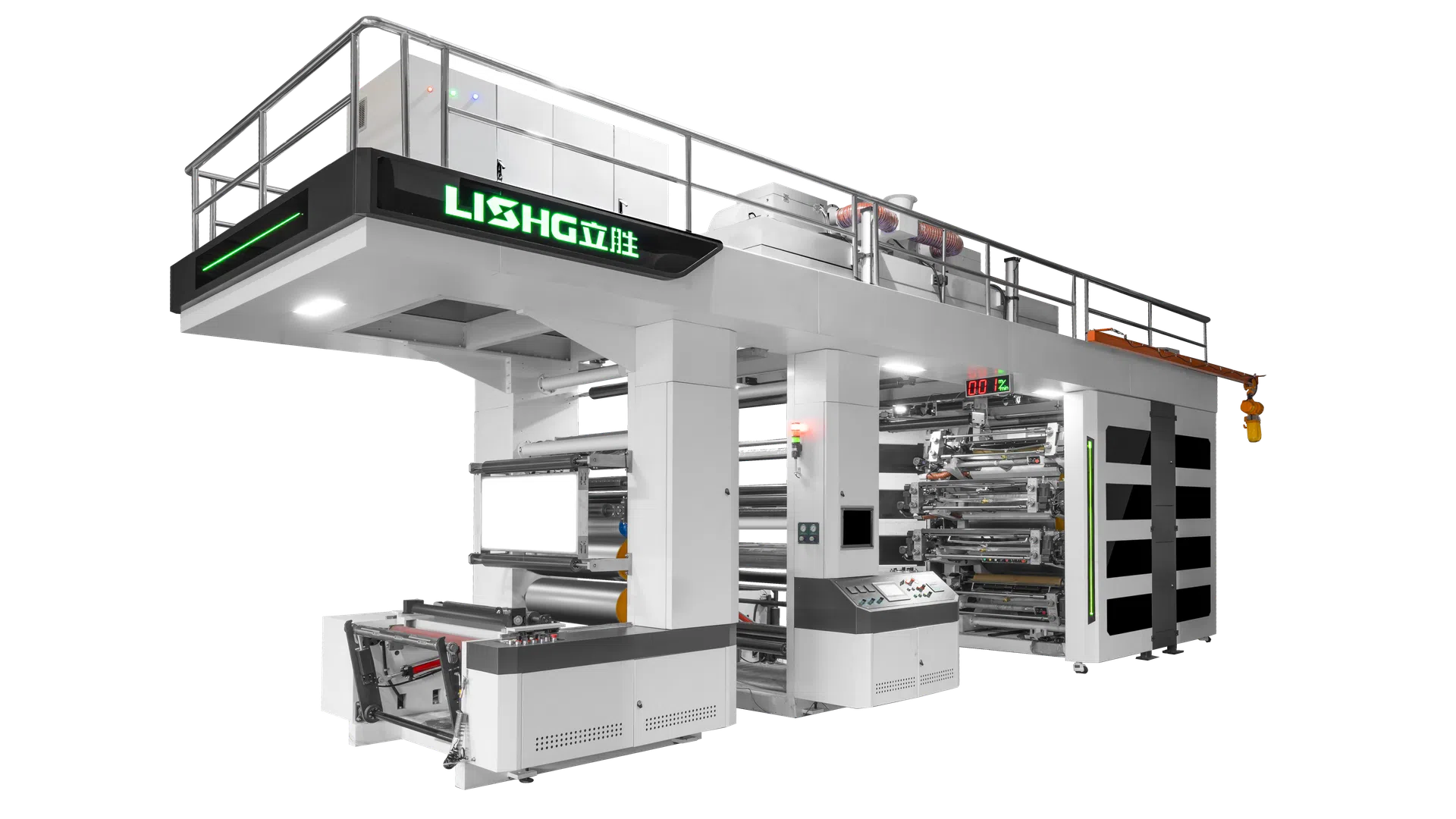
CI FLEXO · MID-SPEED
ULTRA
For projects where a practical mid-speed CI configuration aligns with the production plan and investment priorities. Confirm the specification against the intended job mix.
Explore the ULTRA CI flexo press →
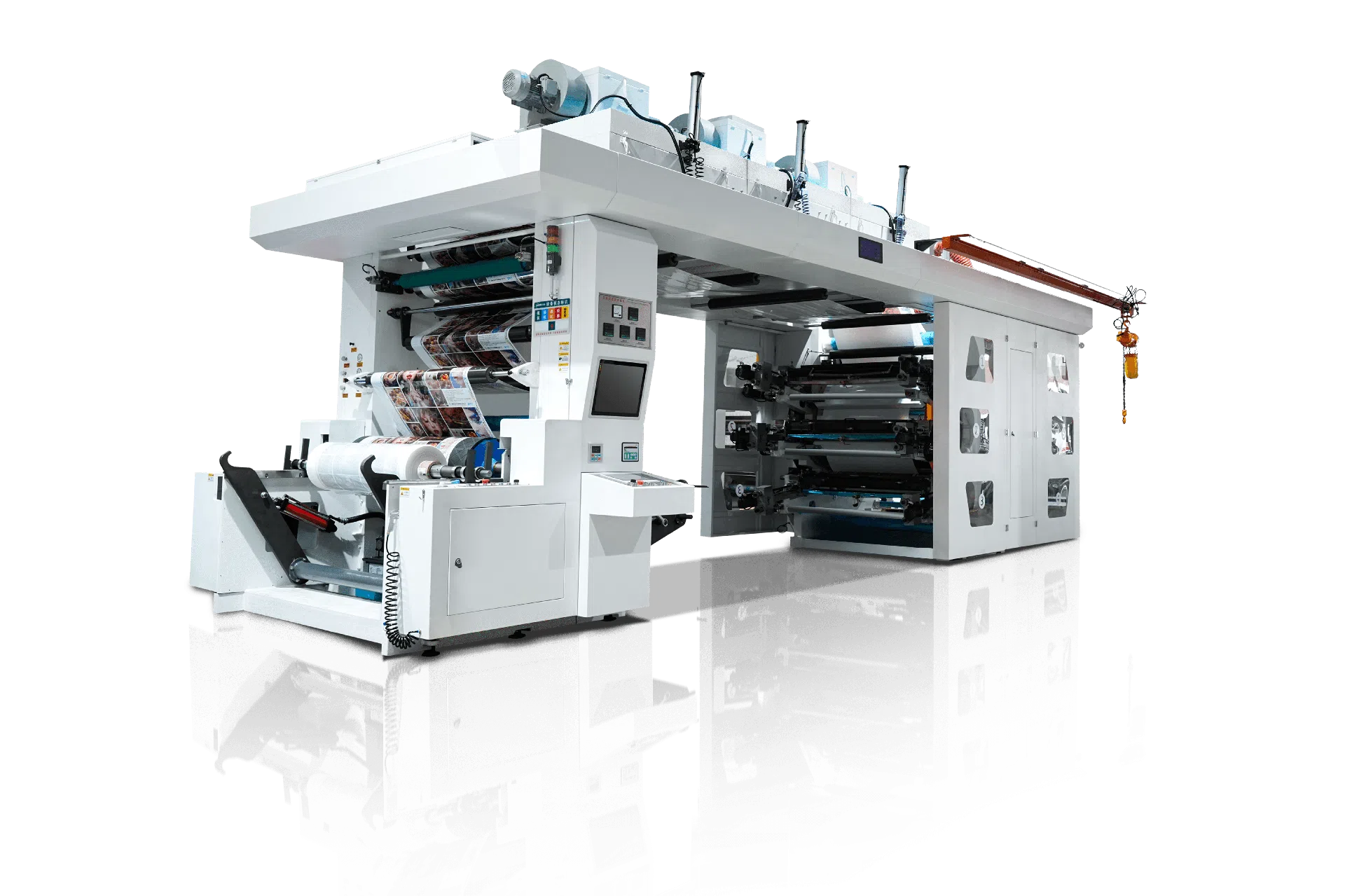
CI FLEXO · FULL SERVO · GEARLESS
MASTER
For buyers evaluating a full-servo, gearless CI configuration where register consistency and changeover performance are the primary drivers. Discuss the job range, registration expectations, and operating conditions needed for your production.
Explore the MASTER CI flexo press →
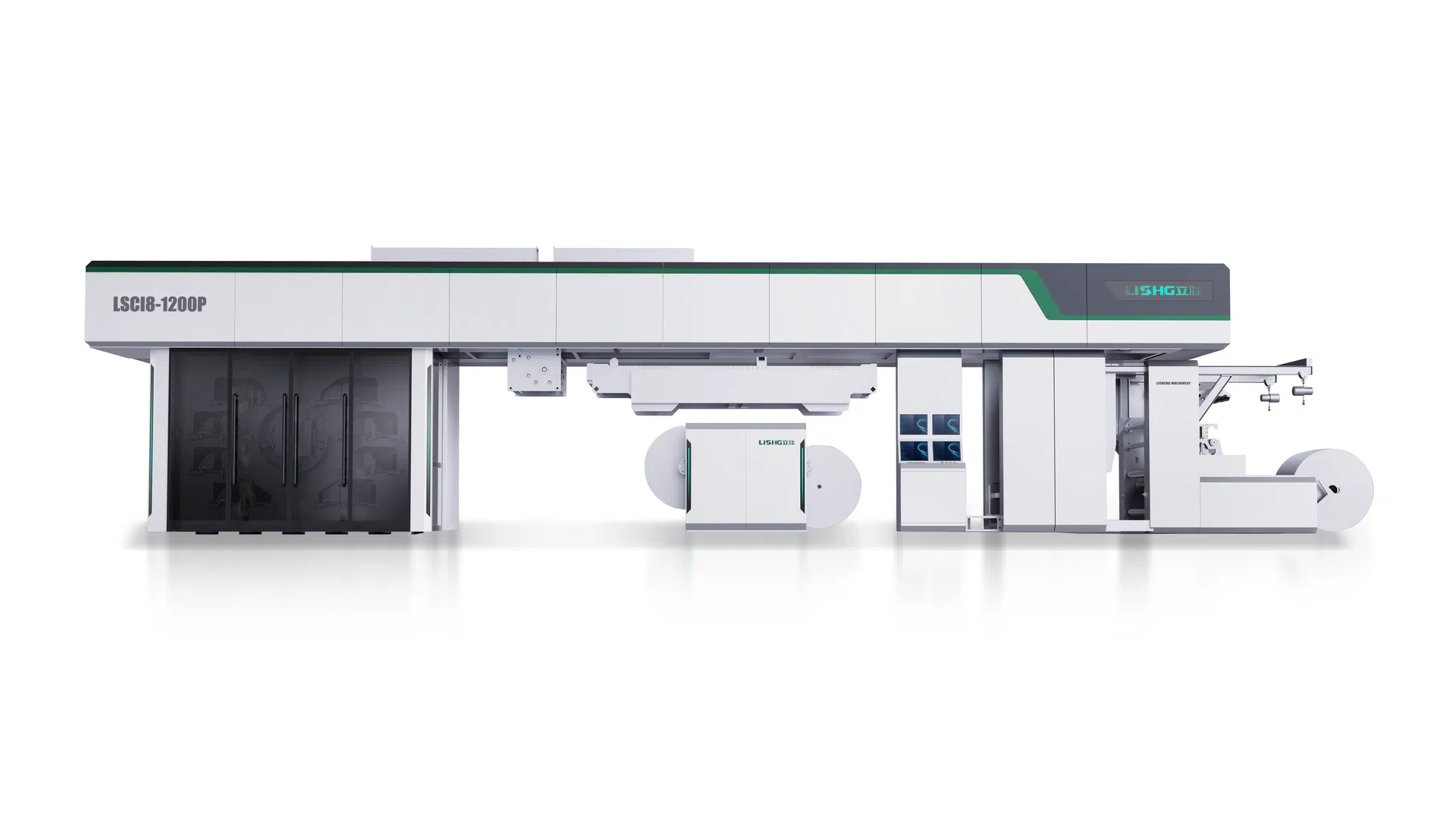
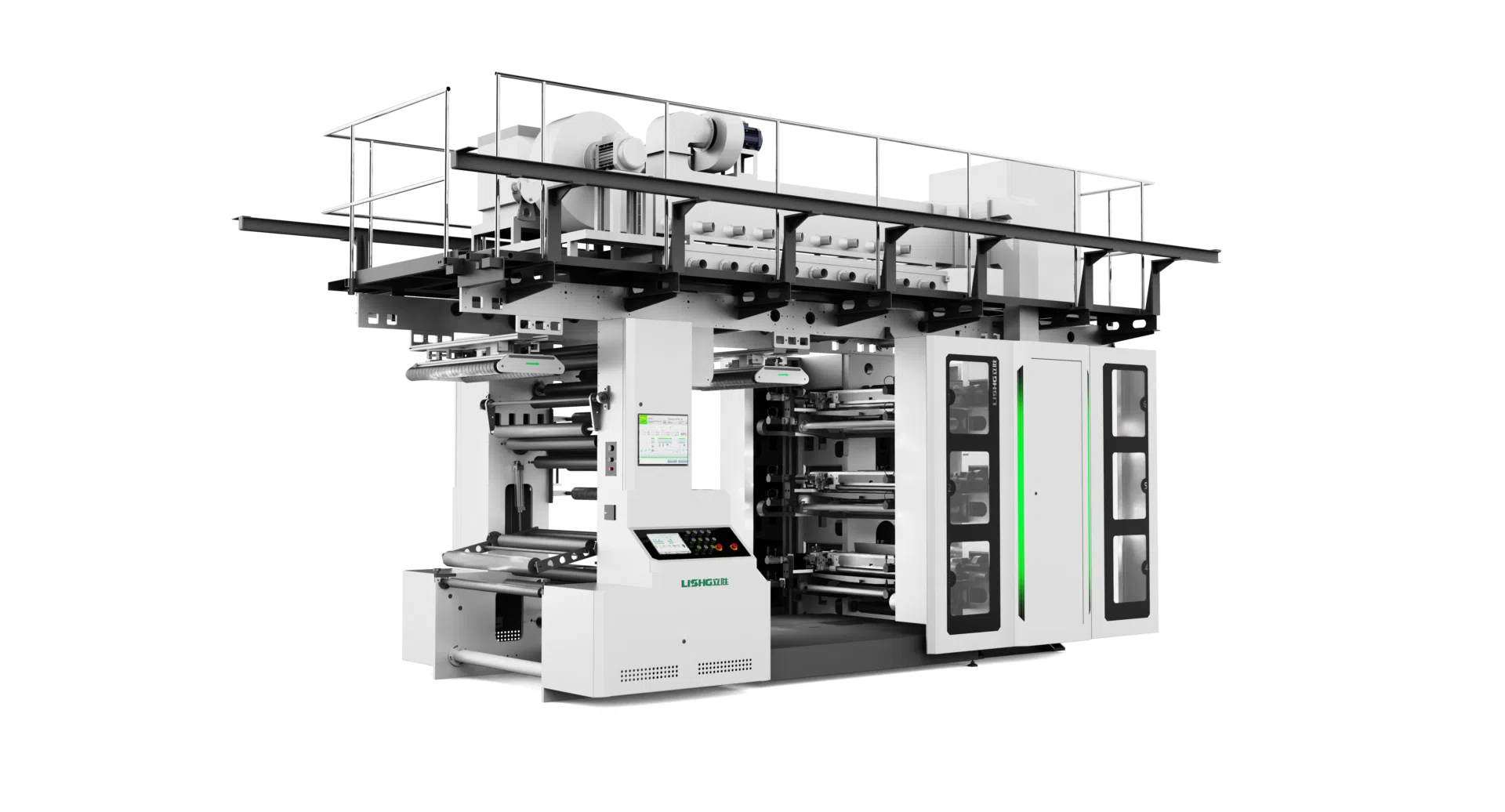
STACK FLEXO · SERVO · SLEEVE
HONOR SERVO SLEEVE
For converters evaluating a servo and sleeve configuration where job variety and changeover practices are important to the workflow.
Explore the HONOR SERVO SLEEVE press →
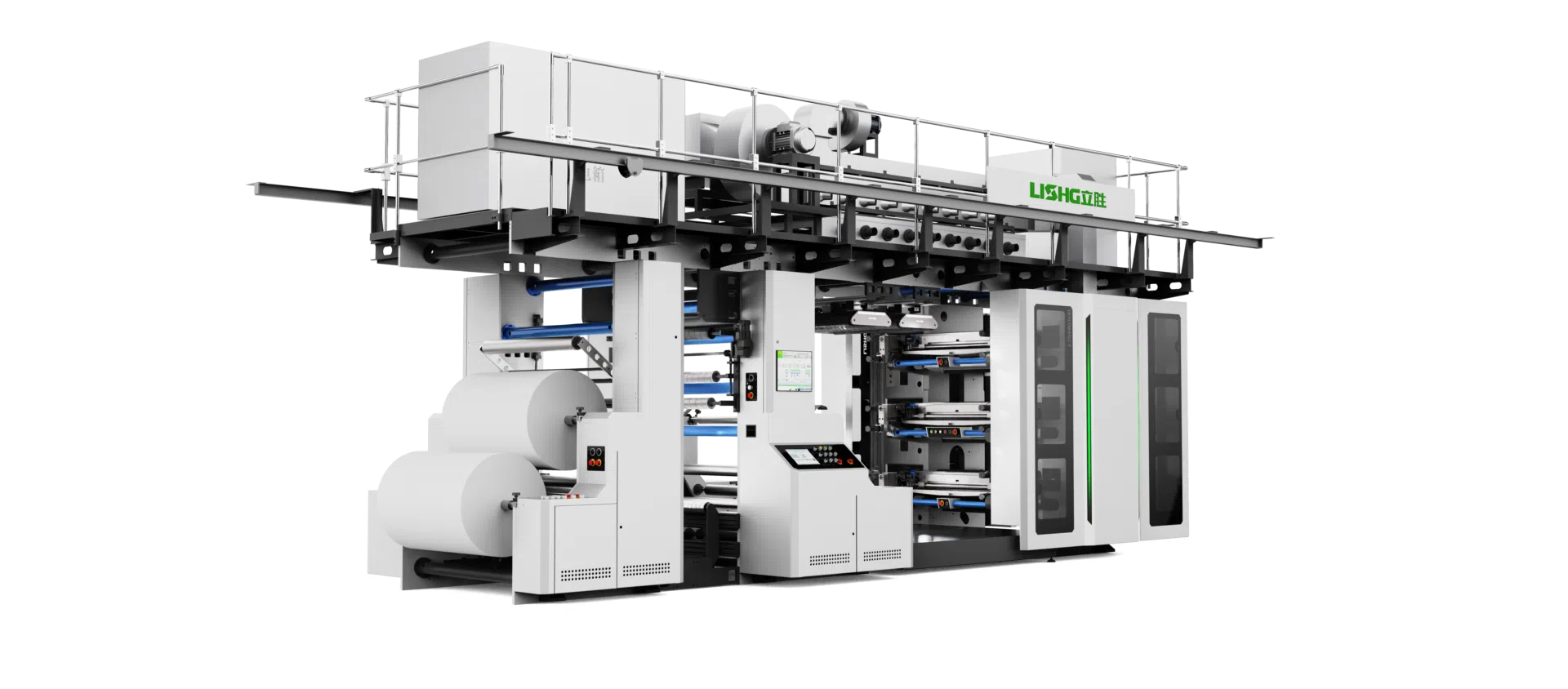
STACK FLEXO · SERVO CONTROL
HONOR SERVO
For projects requiring a servo-controlled Stack configuration. Review registration, double-sided printing requirements, and the production conditions the machine must meet.
Explore the HONOR SERVO press →
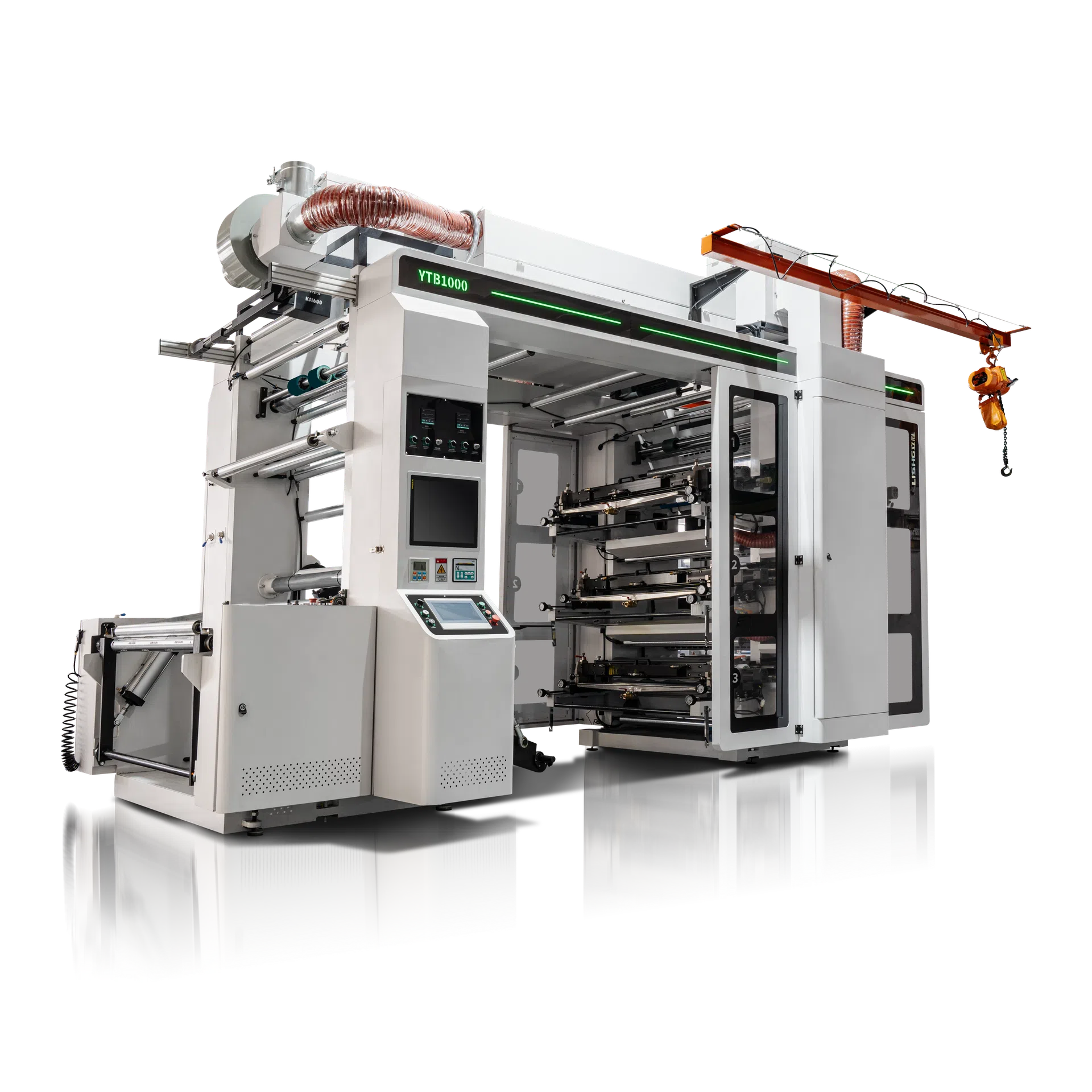
STACK FLEXO · PRACTICAL CONFIGURATION
HONOR
For buyers evaluating a practical Stack press configuration against the required print arrangement, job range, available space, and investment budget.
Explore the HONOR Stack flexo press →
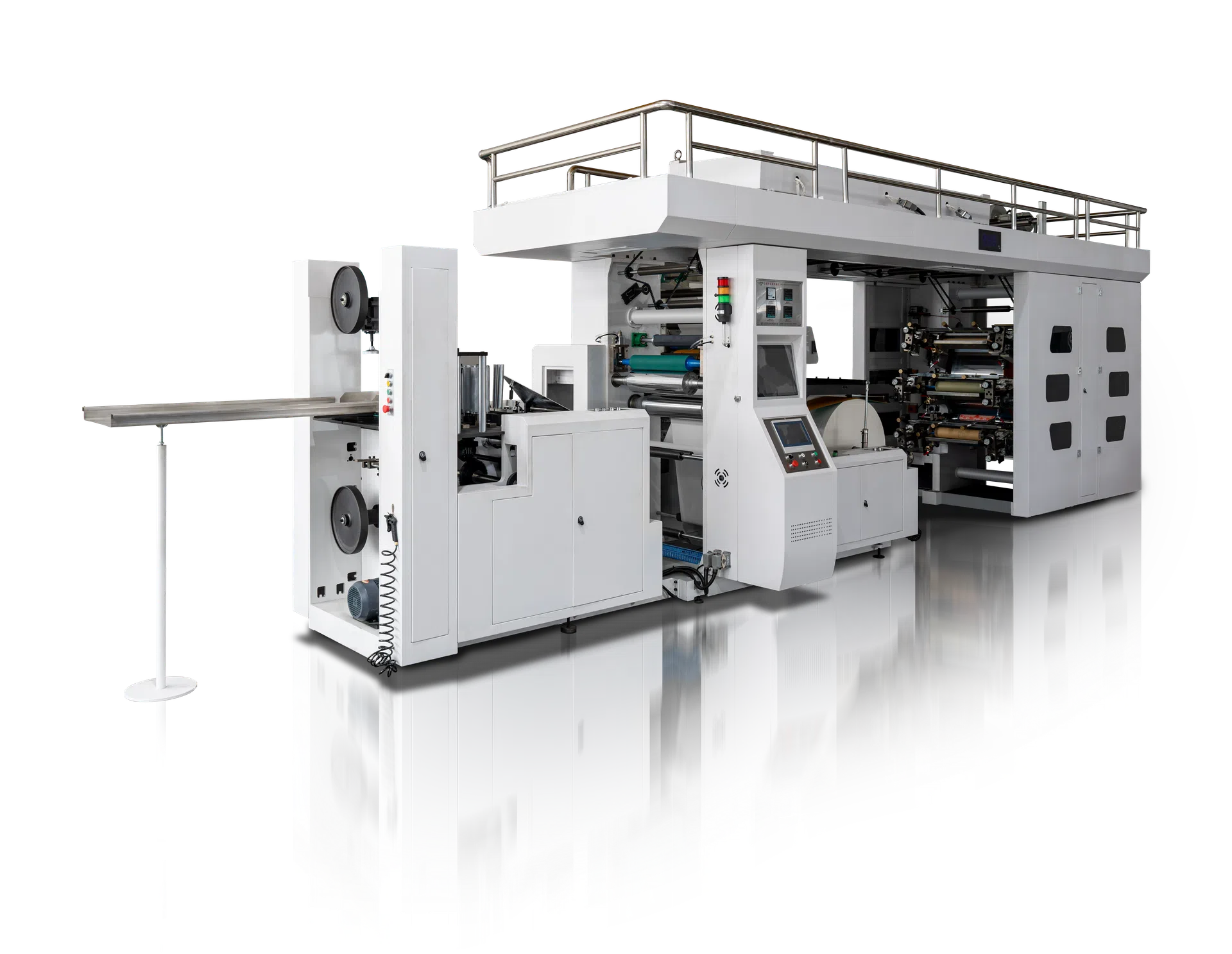
PRINTING AND CONVERTING
MIX
For napkin production projects where printing and downstream folding or converting need to be considered together as one production workflow.
Discuss the MIX configuration →
These descriptions are intended to help narrow the initial discussion, not replace technical verification. If you share your job specifications and current production limitations, the configuration can be reviewed against the work the press is expected to handle.
09 · BEFORE YOU SIGN
Replacement Flexo Press Purchase Checklist
Use this list during the final technical and commercial review. If an item affects machine performance, acceptance, delivery, or the ability to operate the press, resolve it before the purchase agreement is finalized.
- Confirm the final machine configuration and approved technical specification.
- Check the required substrates, web width, repeat-length range, color count, and print criteria.
- Identify included accessories, optional equipment, and exclusions.
- Agree on FAT materials, test procedures, acceptance criteria, and required records.
- Confirm packing, delivery terms, insurance, and shipping responsibilities.
- Verify destination-specific customs, tax, and import documentation requirements.
- Prepare the site, utilities, unloading arrangements, and installation schedule.
- Document commissioning, operator training, and maintenance training responsibilities.
- Confirm warranty coverage, recommended spares, and technical support channels.
- Record outstanding issues, responsible parties, and completion deadlines.
The aim is not to make the purchasing process unnecessarily complicated. It is to settle the details that could otherwise delay installation or create disagreement about what the supplier has agreed to deliver.
COMMON QUESTIONS
Frequently Asked Questions
Should I replace my existing press with the same type of machine?
Not automatically. Review the jobs the current press handles well and the problems you need the replacement to solve. If your substrate range, print requirements, or production mix has changed, another configuration may be worth evaluating. Compare the options using representative jobs before deciding.
What import requirements should I confirm for a flexo press into Saudi Arabia or the UAE?
Import requirements vary by destination and can change. Confirm the applicable HS classification, duties, taxes, origin documentation, and any product-specific conformity or registration requirements with a qualified customs broker or the relevant local authority. For Saudi Arabia, check whether the shipment or related equipment falls under the SASO/SABER conformity framework. Do not rely on a general regional assumption.
Is a CI press always better than a Stack press?
No. The suitable design depends on the substrate, print requirements, job mix, and factory workflow. CI presses use a common impression cylinder, while Stack presses arrange the printing units vertically. Evaluate the actual application and confirm the intended result through testing.
What should the factory acceptance test cover?
The FAT should check the agreed machine configuration, representative print jobs, print quality, registration at the agreed target speed, material handling, drying performance against the agreed ink and substrate conditions, and relevant documentation. Define the test conditions and acceptance criteria before the test takes place, and document how any failed criterion will be resolved before shipment.
What costs should I budget for beyond the machine price?
Depending on the contract, additional costs may include freight, insurance, customs clearance, duties and taxes, inland transport, unloading, site preparation, installation, training, consumables, and initial spare parts. For GCC installations, also budget for visa, insurance, and local labor requirements for the commissioning team, and check cooling and compressed-air capacity. Review the supplier’s exclusions and verify local import requirements before finalizing the budget.
How can I check after-sales support before placing an order?
Ask for a critical-spares list with shipping locations and lead times, the commissioning engineer’s prior regional experience, a sample of the documentation package, and a clear description of how remote support is handled. Confirm warranty scope, response arrangements, and any travel-related charges in writing. Do not treat a regional address or a remote-support statement as proof of immediate service availability.
What should be ready at the factory before the press arrives?
Prepare the space and access required for unloading and positioning, the utilities specified for the machine, the installation schedule, and the personnel who will attend training. Use the supplier’s approved site requirements rather than relying on assumptions about a similar machine.
DISCUSS YOUR PRODUCTION REQUIREMENTS
Discuss Your Replacement Flexo Press Requirements
The best starting point is a clear picture of your current work: the materials you print, the job dimensions and color requirements, and the production issues you want to address. With that information, we can discuss a suitable CI or Stack configuration and identify the technical details that need to be confirmed before a quotation is finalized.
Send us your existing press details and representative job requirements. We can review the application with you and help define a specification that reflects your production needs.